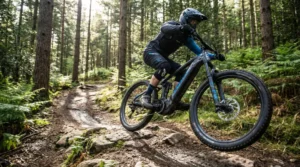
The world of adventure cycling is undergoing a massive transformation as we move deeper into 2026. For years, the gravel category was defined by a simple concept: taking road bikes and making them capable of handling dirt. However, the industry has shifted dramatically. Today, gravel bikes are highly specialized machines designed for specific types of off-road riding. Whether you are a seasoned racer or a weekend explorer, understanding the latest gravel bike trends in 2026 is essential for making informed decisions about your next upgrade.
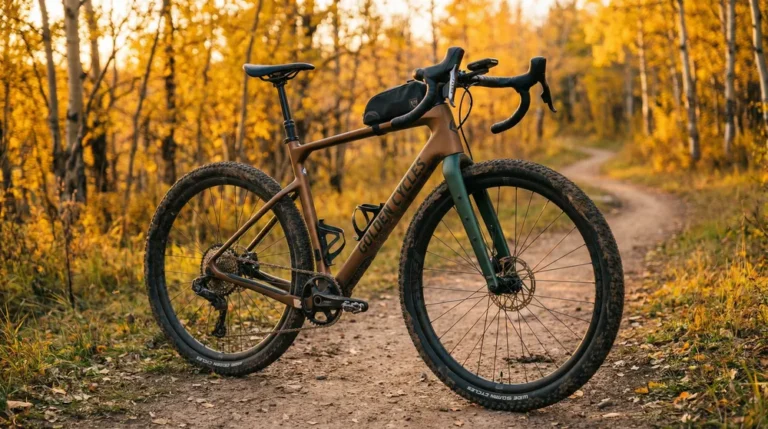
The modern 2026 gravel bike features progressive geometry and integrated technology for ultimate off-road performance.
The Evolution of Gravel Bike Tire Widths
One of the most significant shifts in the 2026 gravel bike market is the approach to tire width. In previous years, there was a relentless push toward massive mountain bike tires on gravel frames, with many riders opting for 55mm or even wider rubber. Consequently, bikes started to feel sluggish on paved sections and hardpack dirt.
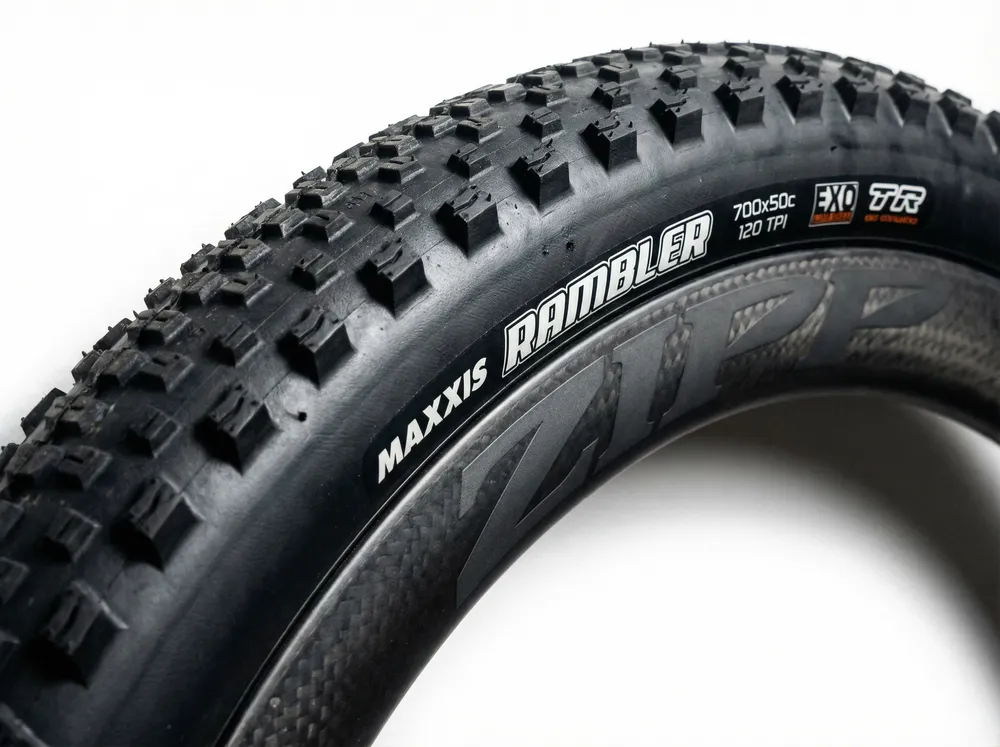
This year, the trend is reversing. Manufacturers and riders are finding the sweet spot between 45mm and 50mm for all-around gravel riding. This width provides ample traction and comfort without sacrificing the speed and efficiency that makes gravel bikes so appealing. Furthermore, tire technology has improved significantly. Modern gravel tires feature advanced rubber compounds that offer incredible grip and puncture protection while maintaining a supple ride feel. If you are looking to upgrade your current setup, exploring the latest tire options from BikeRadar is a great place to start.
The sweet spot for 2026 gravel tires is between 45mm and 50mm, offering the perfect balance of speed and traction.
Suspension Systems Become Mainstream
Another major development in 2026 is the widespread adoption of suspension systems on gravel bikes. While early attempts at gravel suspension were often heavy and complicated, the new generation of micro-suspension is sleek, lightweight, and highly effective.
Front suspension forks with 30mm to 40mm of travel are becoming increasingly common on adventure-focused gravel bikes. These forks absorb the high-frequency vibrations and sharp impacts that cause fatigue during long rides. Additionally, many brands are incorporating rear compliance features, such as flexible seat stays or elastomer inserts, to smooth out the ride. This focus on comfort allows cyclists to ride further and faster over rough terrain. For riders who frequently tackle technical trails, a suspension-equipped gravel bike is a game-changer. You can read more about how this compares to traditional mountain biking in our guide to 2026 E-Bike Laws Cyclists Need to Know Before Riding.
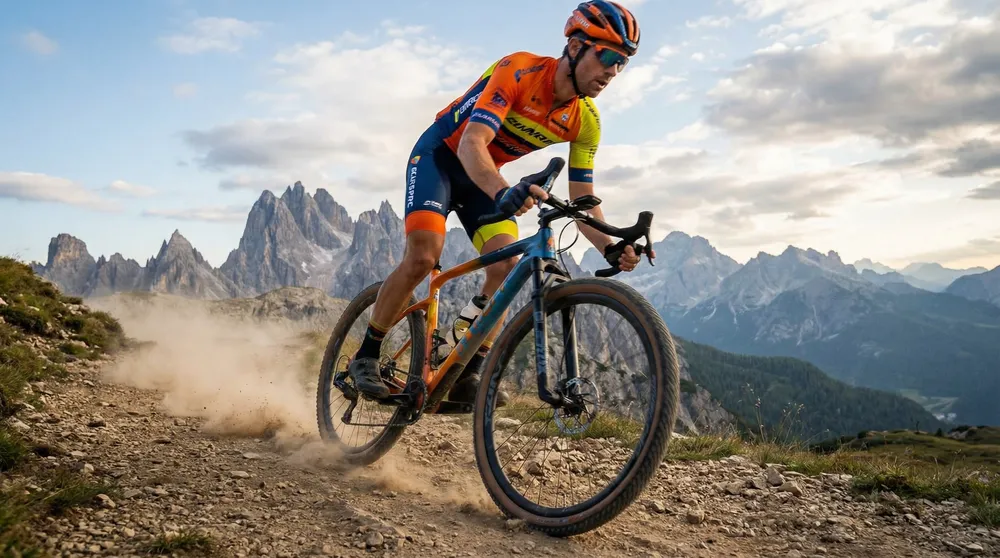
Lightweight suspension systems are allowing gravel riders to tackle rougher terrain with greater comfort and control.
Progressive Geometry for Enhanced Stability
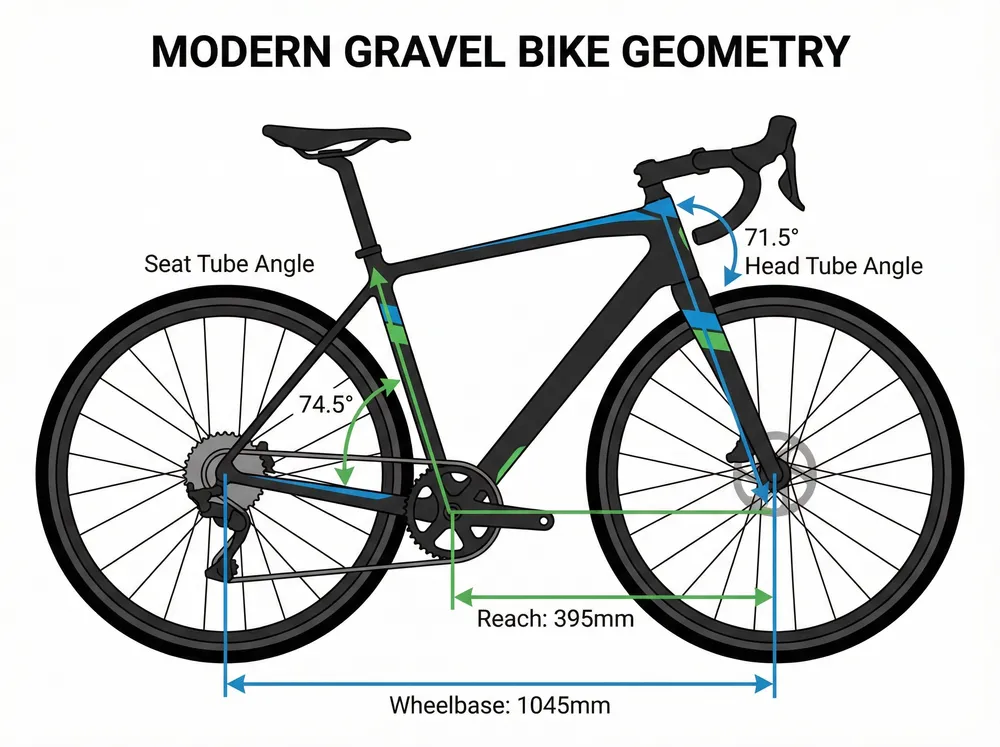
The geometry of gravel bikes is also evolving to meet the demands of increasingly technical courses. Progressive geometry, borrowed from the mountain bike world, is becoming the new standard. This design philosophy features a longer reach, a shorter stem, and a slacker head tube angle.
Typically, older gravel bikes had head tube angles around 71 to 72 degrees. In 2026, we are seeing progressive gravel bikes with head tube angles as slack as 66 to 69 degrees. This slacker angle significantly improves stability at high speeds and provides more confidence when descending steep, loose terrain. Moreover, the longer wheelbase ensures the bike tracks straight through rough patches. While this geometry might feel slightly less nimble on tight switchbacks, the overall increase in control is well worth the trade-off for most riders. To understand how geometry affects your ride, check out this comprehensive guide to gravel bike geometry from CyclingAbout.
Progressive geometry with slacker head tube angles provides increased stability on steep and loose descents.
Integration and Aerodynamics
Aerodynamics are no longer reserved exclusively for road racing bikes. As gravel racing becomes more competitive, manufacturers are applying aero principles to their off-road machines. The 2026 gravel bikes feature aero-optimized tube shapes, integrated cockpits, and hidden cable routing.
Internal cable routing not only improves the bike’s aerodynamic profile but also protects the cables from dirt and debris. Furthermore, many new frames include internal storage compartments in the down tube. This clever design allows riders to carry tools, spare tubes, and nutrition without the need for bulky saddlebags. The integration of the Universal Derailleur Hanger (UDH) is another notable trend, simplifying maintenance and ensuring compatibility with the latest drivetrain technologies. For more tips on keeping your bike in top shape, visit our Bike Hacks section.
The Revival of 650B Wheels
Interestingly, 2026 is seeing a slight revival of the 650B wheel size for specific applications. While 700c wheels remain the dominant choice for most gravel riders due to their rollover capability and speed, 650B wheels offer distinct advantages for smaller riders and those tackling extremely technical terrain.
By using a smaller rim diameter, riders can fit wider tires (up to 2.1 inches) without altering the bike’s overall geometry or handling characteristics. This setup provides massive traction and cushioning, blurring the lines between a gravel bike and a lightweight hardtail mountain bike. If your local routes involve more singletrack than smooth dirt roads, a 650B wheelset might be the perfect addition to your gravel arsenal. You can explore different wheel options and their benefits on Velo’s gravel gear section.
Conclusion
The gravel bike trends of 2026 highlight a maturing category that is finding its unique identity. By moving away from extreme tire widths and embracing targeted suspension, progressive geometry, and smart integration, these bikes are more capable and versatile than ever before. Whether you are planning a multi-day bikepacking trip or lining up for a local gravel race, the latest technology ensures you have the right tool for the job.
As the lines between road, gravel, and mountain biking continue to blur, the most important factor is choosing a bike that matches your specific riding style and local terrain. Embrace the innovations, but always prioritize comfort and control. Happy riding!
For more insights on the latest cycling technology and gear reviews, be sure to check out our Tech Tips category.