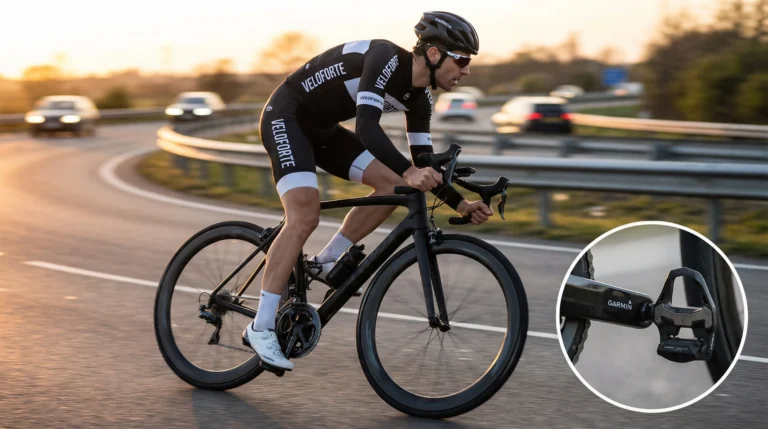
The landscape of cycling performance has shifted dramatically over the last decade. Previously reserved for professional peloton riders, power measurement technology has become an essential tool for enthusiasts and amateur racers alike. As we navigate through 2026, the cycling power meter market continues to expand rapidly, with emerging multi-sensor systems combining power measurement with cadence, heart rate, and biomechanical data. This evolution means that understanding cycling power meters in 2026 is no longer optional if you want to maximize your training efficiency and race-day performance.
Unlike heart rate monitors, which measure your body’s internal response to exercise, a power meter measures your actual external work output. Heart rate can be influenced by numerous external factors, including sleep quality, caffeine intake, temperature, and hydration levels. Conversely, power is an absolute metric. A watt is always a watt, regardless of how tired you feel or how hot the weather is. This objective measurement allows cyclists to train with unprecedented precision, pacing efforts perfectly and tracking fitness gains over time.
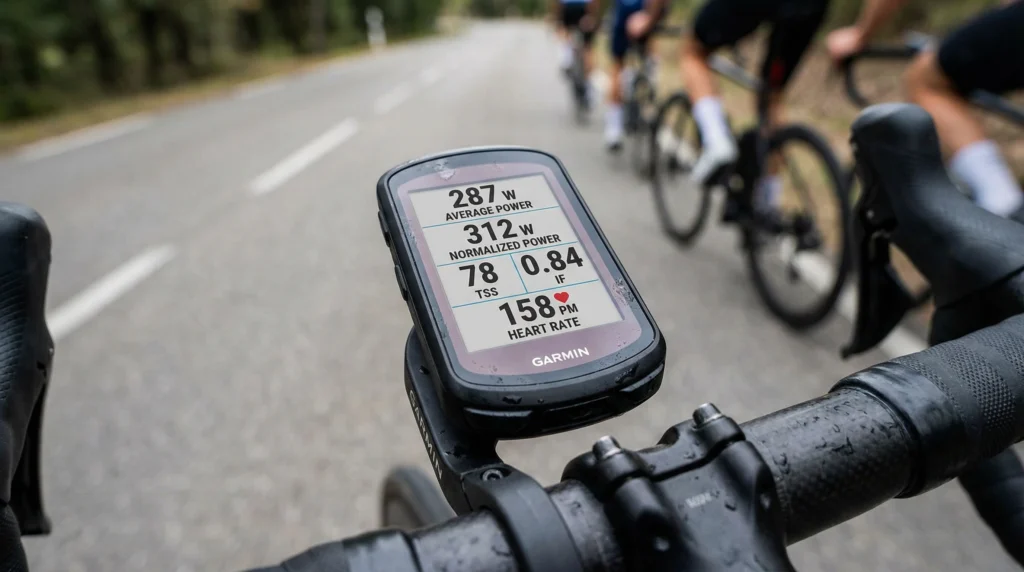
The Best Cycling Power Meters in 2026
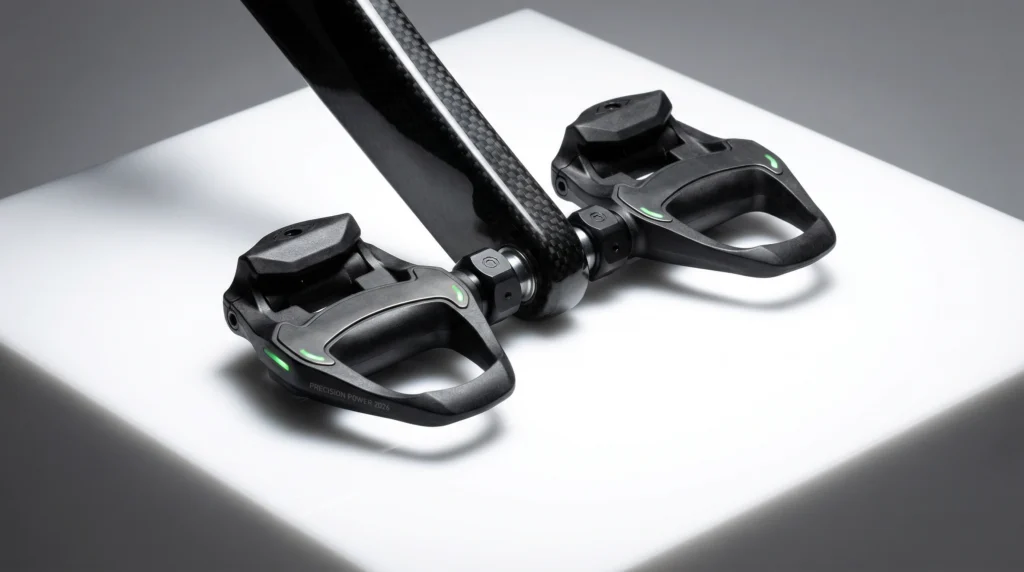
When selecting a power meter, riders generally choose between pedal-based and crank-based systems. Pedal-based power meters remain the most popular choice in 2026 due to their ease of installation and the ability to swap them quickly between different bikes. According to recent reviews from Cycling Weekly’s expert power meter testing, the Favero Assioma Duo continues to be the gold standard for dual-sided measurement, offering exceptional accuracy and reliability.
For riders heavily invested in the Shimano ecosystem, the Garmin Rally RK200 provides a sleek, integrated solution with advanced cycling dynamics. Meanwhile, gravel enthusiasts are increasingly turning to specialized options like the Favero Assioma Pro MX-2, which offers a wider platform designed specifically for off-road demands. This aligns perfectly with the latest gravel bike trends we’ve seen dominating the market this year.
Alternatively, crank-based systems like the SRAM Red AXS integrated power meters or the Rotor INspider offer incredibly clean aesthetics and robust durability. These systems are often preferred by riders who want a “fit and forget” solution that is less exposed to potential crash damage than pedals. For those on a tighter budget, single-sided crank arm meters like the 4iiii Precision 3.0 provide an excellent entry point into power-based training without breaking the bank.
Understanding Key Power Training Metrics
Owning the hardware is only the first step; interpreting the data is where the real performance gains happen. Modern cycling computers display a dizzying array of numbers, but focusing on a few core metrics will yield the best results. The foundation of all power training is Functional Threshold Power (FTP ). Your FTP represents the maximum power output you can sustain for approximately one hour. It serves as the baseline for establishing all your training zones and measuring your overall fitness progress.
Beyond FTP, Normalized Power (NP) is perhaps the most crucial metric to understand. While Average Power simply divides your total watts by your ride time, NP uses a complex algorithm to account for the physiological cost of rapid changes in intensity. For example, a criterium race with constant sprinting and coasting might have a relatively low Average Power but a very high Normalized Power, accurately reflecting how exhausting the effort truly was.
Furthermore, tracking your Training Stress Score (TSS) helps manage your long-term fatigue and recovery. TSS combines the intensity and duration of your ride into a single number, allowing you to quantify the exact toll a workout took on your body. By monitoring your cumulative TSS over weeks and months, you can optimize your cycling recovery strategies and ensure you peak perfectly for your target events. As noted by BikeRadar’s comprehensive training guide, utilizing these metrics effectively is what separates structured training from simply riding your bike.
Utilizing the 7 Cycling Training Zones
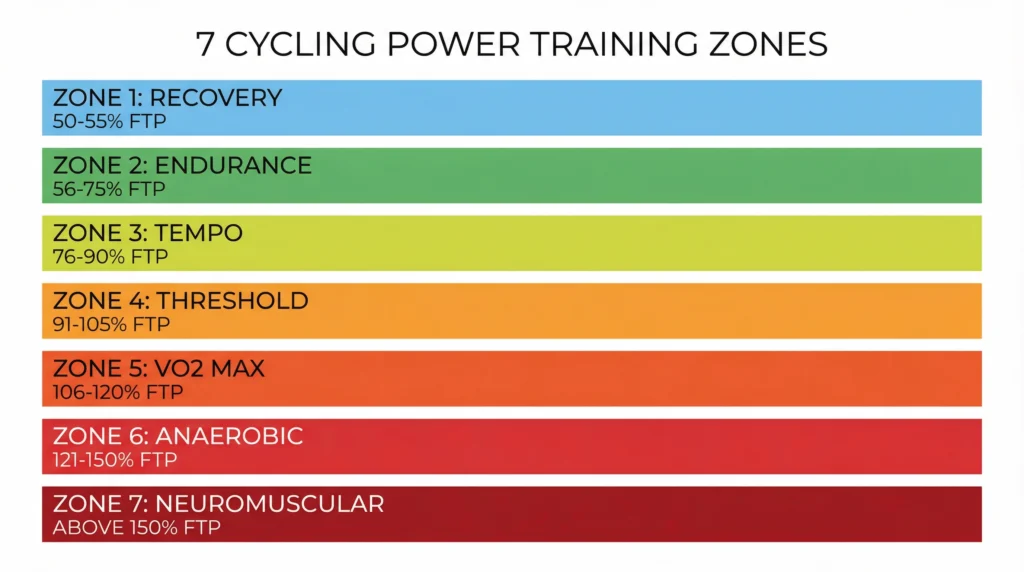
Once you have established your FTP, you can calculate your specific training zones. These zones allow you to target precise physiological adaptations during your workouts. The classic seven-zone model breaks down as follows:
- Zone 1: Active Recovery (Under 55% FTP ) – Very light pedaling used to promote blood flow and speed up recovery between hard sessions.
- Zone 2: Endurance (56-75% FTP) – The foundation of aerobic fitness. Long rides in this zone build capillary density and improve fat oxidation.
- Zone 3: Tempo (76-90% FTP) – A challenging but sustainable pace that improves muscular endurance and carbohydrate metabolism.
- Zone 4: Threshold (91-105% FTP) – Efforts right at your FTP limit, designed to push your threshold higher and improve your ability to clear lactic acid.
- Zone 5: VO2 Max (106-120% FTP) – Intense 3-8 minute intervals that increase your maximum oxygen uptake and cardiovascular capacity.
- Zone 6: Anaerobic Capacity (121-150% FTP) – Very short, severe efforts lasting 30 seconds to 2 minutes, crucial for attacking short climbs or bridging gaps.
- Zone 7: Neuromuscular Power (Over 150% FTP) – All-out maximal sprints lasting less than 15 seconds, relying entirely on the ATP-PC energy system.
By structuring your week around these specific zones, you can eliminate “junk miles” and ensure every minute on the bike serves a distinct purpose. Whether you are preparing for a local race, planning a massive bikepacking adventure, or simply trying to keep up with the fast group ride, training with power provides the roadmap to reach your goals.
Ultimately, investing in a power meter is arguably the most significant upgrade you can make to your cycling performance. While aerodynamic wheels or a lighter frame might save you a few seconds, a power meter fundamentally changes how you approach the sport. By embracing data-driven training, you unlock your true potential and ensure that your hard work translates directly into measurable results on the road.