The allure of exploring the world by bicycle has never been stronger. As we venture into 2026, adventure cycling and bikepacking continue to surge in popularity, evolving from a niche subculture into a mainstream cycling discipline. This growth has spurred incredible innovations in how we carry gear, navigate remote terrain, and survive comfortably in the wild. Whether you are planning a weekend micro-adventure or a cross-continent expedition, staying updated on the latest bikepacking gear trends is essential for a successful and enjoyable journey.
The Evolution of Bikepacking Bags
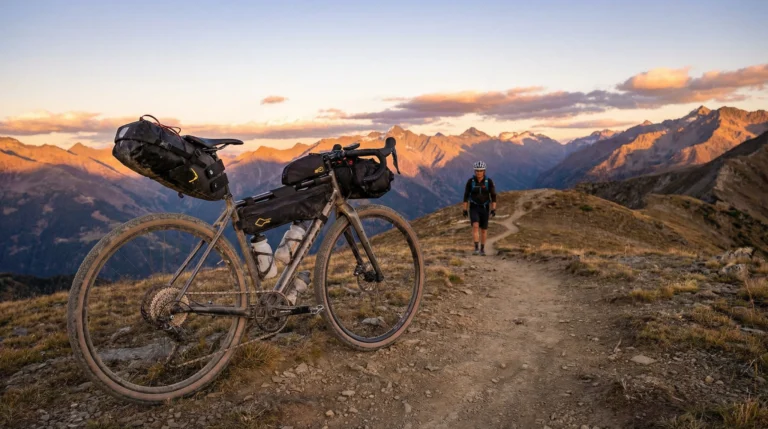
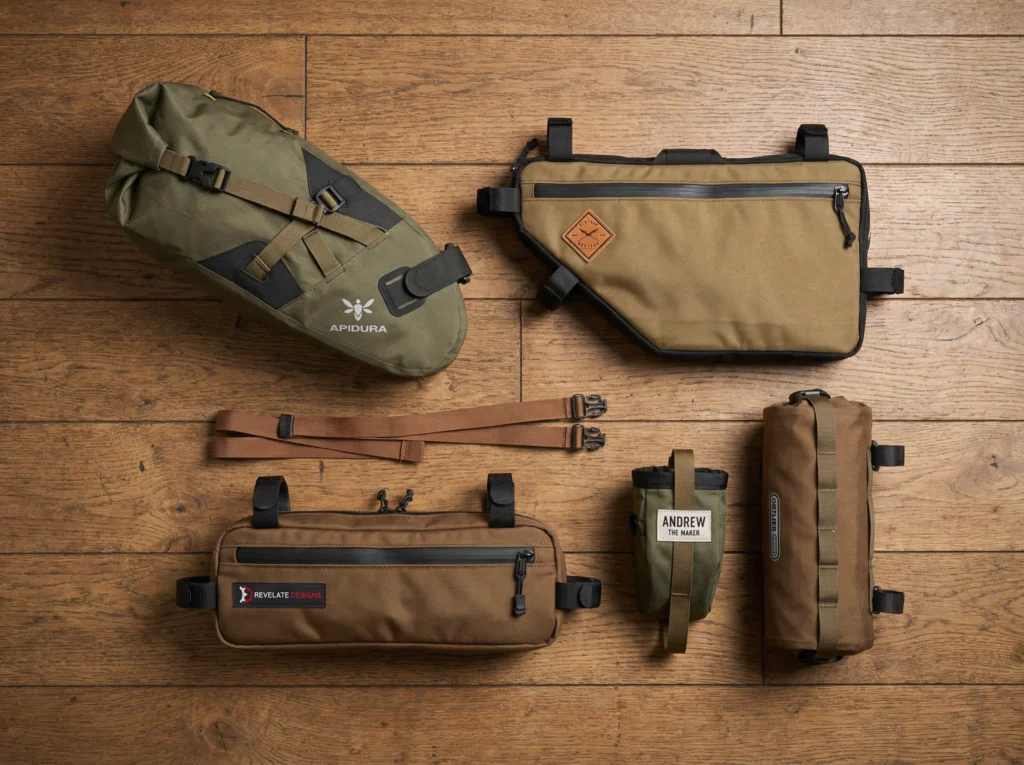
The traditional touring setup, characterized by heavy metal racks and bulky panniers, has largely been replaced by the modern bikepacking bag system. In 2026, the focus is on lightweight, aerodynamic, and highly water-resistant materials. The core setup remains the same: a seat pack, a frame bag, and a handlebar roll. However, the execution of these designs has become incredibly refined.
One of the most notable trends is the shift toward custom and semi-custom frame bags. Because bicycle frame geometries vary wildly, especially with the rise of full-suspension gravel bikes, off-the-shelf frame bags often leave unused space or interfere with water bottle cages. Manufacturers are now offering streamlined processes for riders to order bags tailored exactly to their frame’s dimensions, maximizing storage capacity in the main triangle. Additionally, we are seeing a rise in “stabilized systems” that blur the lines between traditional racks and soft bags, providing the sway-free stability of a rack with the low weight of a seat pack. For a detailed look at how packing strategies are evolving, the Adventure Cycling Association highlights 6 bikepacking gear trends for 2026.
Titanium and the Ultimate Adventure Bike
While carbon fiber dominates the road racing scene, titanium is experiencing a massive renaissance in the adventure cycling world. In 2026, titanium gravel and touring bikes are highly sought after for their unique blend of durability, ride quality, and aesthetic appeal. Unlike carbon, which can be susceptible to impact damage from rock strikes or crashes in remote areas, titanium is incredibly resilient. It also offers a natural compliance that dampens vibrations over long, rough days in the saddle.
Furthermore, titanium frames are ideal for bikepacking because they can easily accommodate numerous mounting points. Modern adventure bikes feature “barnacles” everywhere — on the fork legs, under the down tube, and along the top tube — allowing riders to attach cargo cages, extra water bottles, and bolt-on top tube bags securely. If you are interested in how gravel bikes are pushing the boundaries of off-road riding, read our article on 2026 Gravel Bike Trends and Technology Innovations.
Ultralight Camping and Sleep Systems
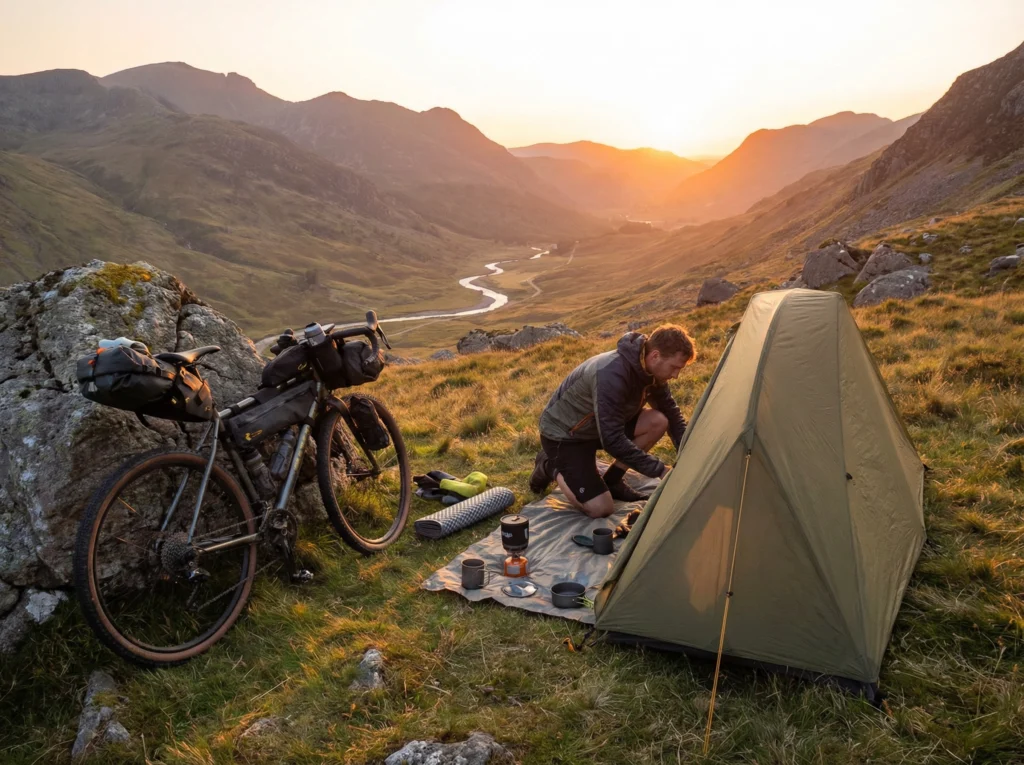
The philosophy of bikepacking is rooted in traveling light and fast. This ethos extends directly to the camping gear carried on the bike. In 2026, sleep systems have become astonishingly compact. The traditional sleeping bag is frequently being replaced by the camping quilt. Quilts eliminate the material underneath the sleeper — which is compressed and loses its insulating value anyway — relying instead on the sleeping pad for ground insulation. This design saves significant weight and packs down much smaller, easily fitting into a handlebar roll or seat pack.
Tents have also seen remarkable advancements. Single-wall Dyneema composite fabric tents offer complete weather protection at a fraction of the weight of traditional silnylon tents. For those who prefer an even more minimalist approach, bivvy sacks and high-tech hammocks remain popular choices for fast-and-light missions. The goal is to minimize the bulk on the bike without compromising safety or a good night’s rest. For a comprehensive guide to ultralight camping gear, Bikepacking.com offers an excellent bikepacking gear list and buyer’s guide.
Navigation and Power Management
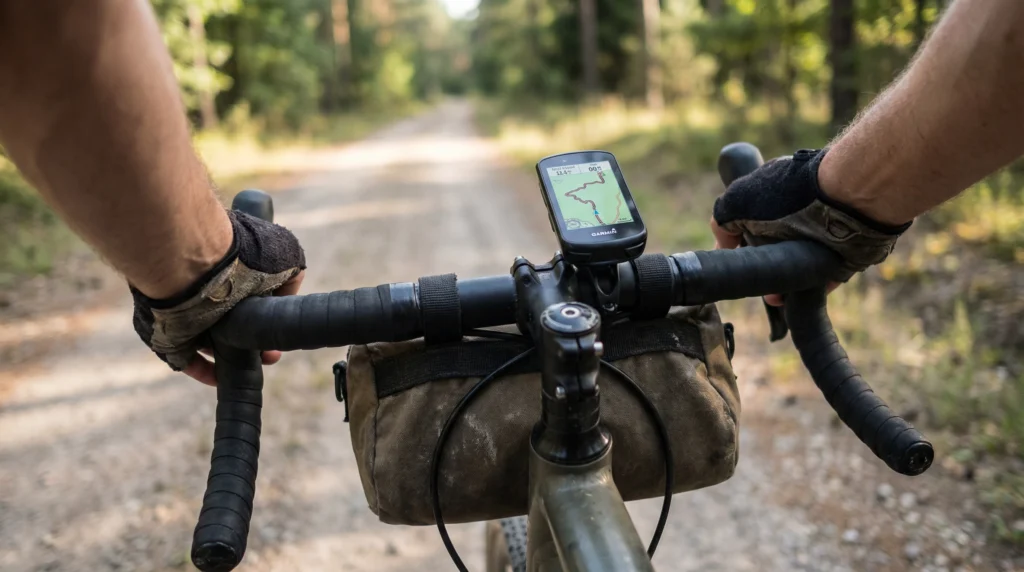
Venturing off the grid requires reliable navigation and the power to keep devices running. Dedicated cycling GPS computers have become incredibly sophisticated in 2026, featuring multi-band GNSS for pinpoint accuracy even under dense tree cover or in deep canyons. They also offer advanced routing features that can recalculate paths on the fly, specifically prioritizing gravel roads or singletrack trails.
However, running a GPS, a smartphone, and electronic shifting systems for days on end requires a robust power management strategy. Dynamo hubs, which generate electricity from the rotation of the front wheel, are the gold standard for long-distance bikepackers. These hubs can power high-output headlights for night riding and simultaneously charge a cache battery via a USB converter during the day. For shorter trips, high-capacity, fast-charging power banks are the preferred solution. If you are preparing your bike for a long journey, ensure your electronic components are in top shape by reviewing our Essential Bike Maintenance guide.
Conclusion
The bikepacking gear trends of 2026 reflect a maturing sport that values efficiency, durability, and integration. By carefully selecting lightweight bags, resilient bicycles, and compact camping equipment, riders can push further into the wilderness with greater comfort and confidence. Whether you are a seasoned bikepacker refining your setup or a beginner planning your first overnight trip, embracing these innovations will undoubtedly elevate your adventure cycling experience. The open road — or trail — awaits.