The Revolution in Cycling Eyewear Lens Technology
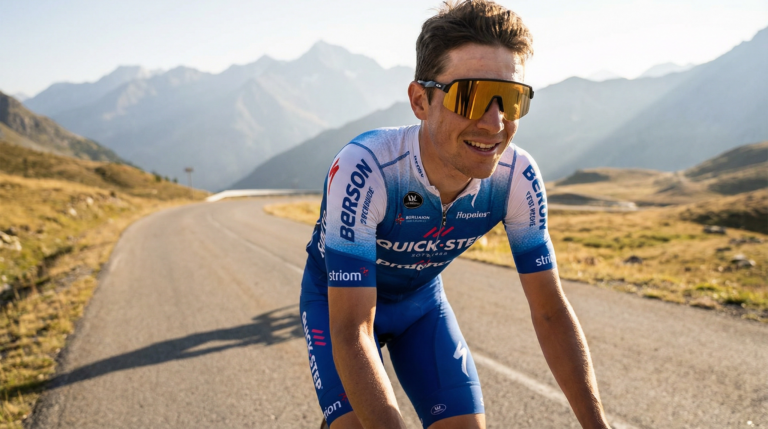
The world of cycling optics has seen a massive leap forward in recent years. As we head into 2026, cycling eyewear lens technology is no longer just about keeping the sun out of your eyes. Today, it is about enhancing contrast, reducing eye strain, and adapting instantly to changing light conditions. Whether you are navigating dappled sunlight on a forest trail or riding straight into a glaring sunset, modern sunglasses are a critical piece of performance equipment.
Riders are increasingly demanding eyewear that can do it all. The days of carrying multiple interchangeable lenses in your jersey pocket are fading fast. Instead, the industry is focusing on single-lens solutions that perform flawlessly across a wide spectrum of environments. This shift is driven by advancements in photochromic materials and specialized light-filtering coatings that were once reserved for military or aerospace applications.
The Magic of Photochromic Lenses
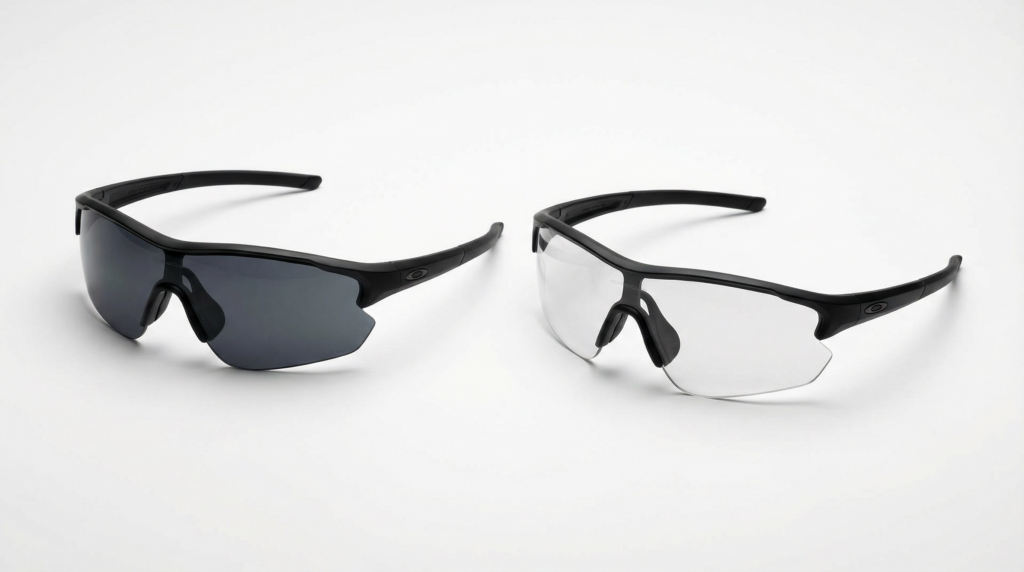
Perhaps the most significant advancement in 2026 is the refinement of photochromic lenses. These lenses automatically adjust their tint based on the amount of ultraviolet (UV) light present. When exposed to bright sunlight, the molecules in the lens darken to protect your eyes. Conversely, when you ride into a tunnel or the sun begins to set, the lens quickly returns to a nearly clear state. This seamless transition allows cyclists to wear the same pair of glasses from dawn until dusk.
Leading brands like Tifosi Optics and Rudy Project have pushed the boundaries of this technology. Modern photochromic lenses now boast a visible light transmission (VLT) range of 88% down to 15%. This means they can go from almost entirely transparent to a dark Category 3 or even Category 4 tint. Furthermore, the transition speed has improved dramatically, taking only seconds to adapt to sudden changes in lighting.
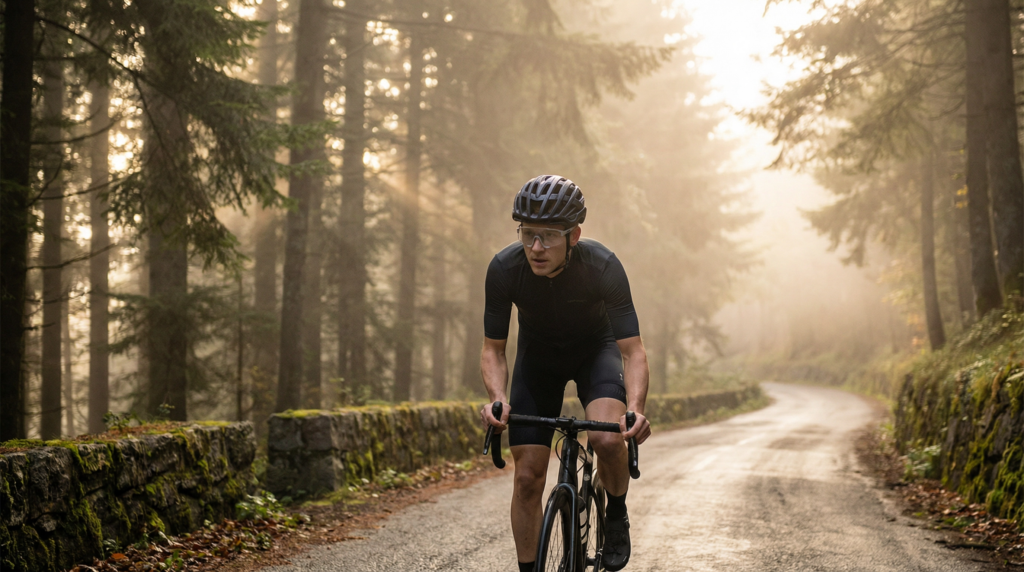
For riders who frequently transition between open roads and dense tree cover, this technology is invaluable. It eliminates the dangerous moments of temporary blindness when entering a dark section of trail. If you are interested in how other technologies are improving rider safety, check out our article on cycling helmet safety technology.
Blue Light Blocking and Contrast Enhancement
Another major trend in cycling eyewear lens technology is the integration of blue light blocking filters. While blue light is often associated with digital screens, the sun is actually the largest source of blue light we encounter. High-energy visible (HEV) blue light scatters easily in the atmosphere, creating glare and reducing visual clarity. By filtering out specific wavelengths of blue light, modern cycling sunglasses significantly enhance contrast and depth perception.
This contrast enhancement is crucial for spotting hazards on the road or trail. Potholes, loose gravel, and slick patches of oil become much easier to identify when the visual “noise” of blue light is reduced. Brands like Solaro Shades have pioneered lenses that specifically target these wavelengths, resulting in a sharper, more defined field of view. This technology is particularly beneficial for mountain bikers and gravel riders who need to read the terrain instantly.
In addition to improving safety, reducing blue light exposure also minimizes eye fatigue during long rides. When your eyes do not have to work as hard to focus through glare, you remain fresher and more alert. This focus on endurance and comfort aligns perfectly with the latest trends in cycling recovery and fitness optimization.
Advanced Coatings and Frame Designs
Beyond the tinting and filtering capabilities, the physical coatings applied to the lenses have also seen significant upgrades. Hydrophobic coatings are now standard on premium models, causing water and sweat to bead up and roll off the lens rather than smearing. Similarly, oleophobic coatings repel oils, making it much harder for fingerprints or sunscreen to obscure your vision. These treatments ensure that your lenses remain clear even in the most challenging weather conditions.
Anti-reflective coatings applied to the inside of the lens prevent light from bouncing back into your eyes from behind. This is especially useful when riding with the sun at your back. When combined with 100% UVA and UVB protection, these coatings provide a comprehensive shield against environmental elements.
Frame designs have evolved to complement these advanced lenses. The trend for 2026 is toward large, shield-style lenses that offer massive fields of view and excellent wind protection. These frames are constructed from lightweight, durable materials like TR-90 nylon, ensuring they remain comfortable on your face for hours. Adjustable, rubberized nose pieces and temples keep the glasses securely in place, even when you are sweating heavily on a steep climb.
For those who commute in varying conditions, having reliable eyewear is just as important as having a reliable bike. Learn more about the gear needed for daily riding in our guide to urban commuting and e-bike adoption.
Choosing the Right Eyewear for Your Ride
With so many options available, selecting the right cycling eyewear can feel overwhelming. The key is to identify the primary conditions in which you ride. If you are an early morning or late evening rider, a photochromic lens with a high VLT range is essential. If you spend most of your time in bright, exposed environments, a polarized lens with strong blue light blocking capabilities might be the better choice.
Fit is equally important. A lens that touches your cheeks or a frame that pinches your temples will quickly become a distraction. According to reviews from Outdoor Gear Lab, models like the Smith Wildcat and the Oakley Sutro offer excellent coverage and adjustability for a wide range of face shapes.
Ultimately, investing in high-quality cycling eyewear lens technology is an investment in your safety and performance. By protecting your eyes from UV rays, debris, and glare, you can focus entirely on the ride ahead. As technology continues to advance, we can expect even more innovative solutions that will further enhance our visual experience on the bike.