In the world of endurance sports, the old adage “you are what you eat” has never been more relevant. As we progress through 2026, the science of cycling nutrition and hydration has moved far beyond generic advice to drink water and eat a banana. Today, optimizing your fueling strategy is recognized as one of the most critical components of performance, often yielding greater gains than upgrading to a lighter wheelset. Whether you are tackling a century ride, racing a local criterium, or simply trying to improve your weekend group ride performance, mastering your personal nutrition and hydration strategy is the key to unlocking your full potential.
The Shift Toward Personalized Fueling
The most significant trend in 2026 sports nutrition is the shift toward hyper-personalization. Coaches and nutritionists now emphasize that there is no one-size-fits-all approach to fueling. The cornerstone of a personalized strategy begins with understanding your individual sweat rate and sodium loss.
Testing your sweat rate is a straightforward process that involves weighing yourself before and after a 60-to-90-minute ride, factoring in the fluid consumed during the session. This data allows you to calculate exactly how much fluid you need to replace per hour to avoid dehydration, which can severely impact performance and cognitive function. Furthermore, advanced biosensors and testing kits are now widely available, allowing cyclists to measure the sodium concentration in their sweat. This information is crucial because sodium loss varies drastically from person to person. Tailoring your electrolyte intake to match your specific losses prevents cramping and hyponatremia during intense efforts. For a comprehensive look at how to structure your fueling based on ride duration, Bicycling Magazine offers an excellent cycling fueling guide for rides of every length.

Carbohydrates: The Engine of Endurance
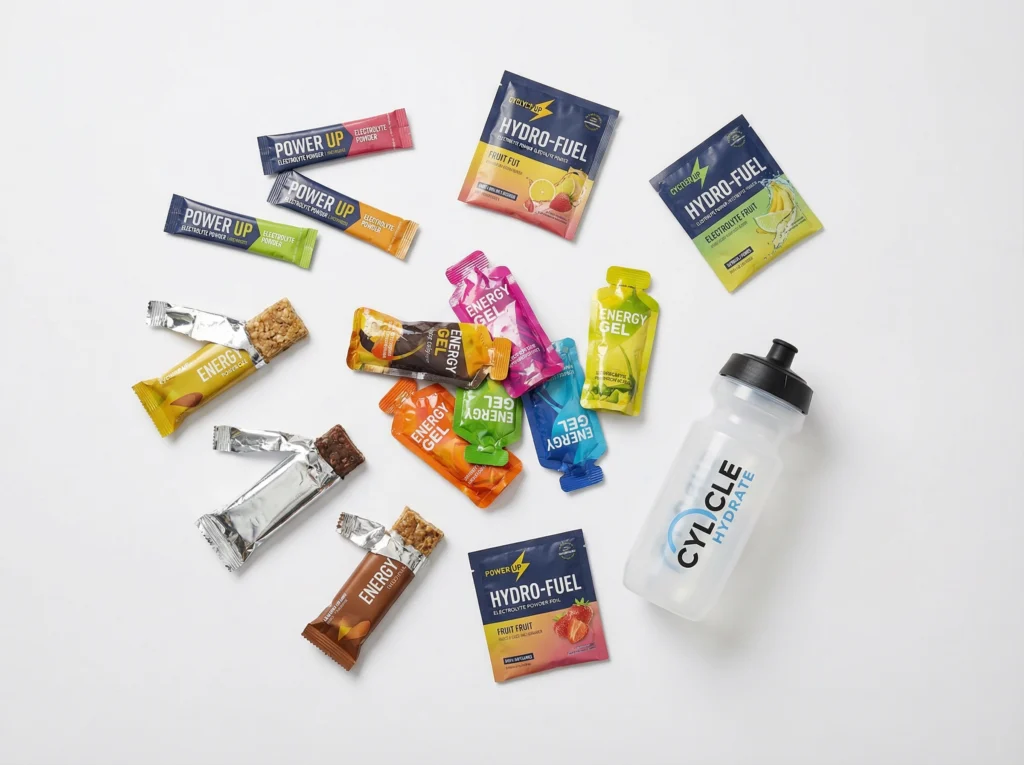
Carbohydrates remain the undisputed king of endurance fuel. However, the way cyclists consume them has evolved significantly. The current consensus in sports science supports higher carbohydrate intake during exercise than previously thought possible. For rides lasting longer than two hours, athletes are now aiming for 60 to 90 grams of carbohydrates per hour, and in professional racing, intakes of up to 120 grams per hour are becoming common.
Achieving these high intake levels without causing gastrointestinal distress requires a strategic mix of carbohydrate sources, typically a combination of glucose and fructose. This dual-source approach utilizes different intestinal transporters, allowing the body to absorb more fuel efficiently. Cyclists are increasingly relying on high-carbohydrate drink mixes, which provide both hydration and energy simultaneously, reducing the need to chew solid food during high-intensity efforts. If you are looking to integrate better nutrition into your overall training plan, our article on Cycling Fitness: Planning Your Success provides a great framework for setting goals.
The Critical Post-Ride Recovery Window
What you consume after your ride is just as important as what you consume during it. The concept of the “glycogen window” — the period immediately following exercise when the body is most primed to replenish its carbohydrate stores — remains a fundamental principle of recovery nutrition.
In 2026, the focus is on consuming a combination of carbohydrates and high-quality protein within 30 to 60 minutes of finishing a ride. The ideal ratio is generally considered to be 3:1 or 4:1 (carbohydrates to protein). The carbohydrates restock depleted muscle glycogen, while the protein provides the amino acids necessary to repair exercise-induced muscle damage. Liquid recovery options, such as specialized recovery shakes or even chocolate milk, are highly recommended because they are easily digestible and help rehydrate the body simultaneously. For more insights on how recovery impacts your overall fitness, explore our Cycling Recovery and Fitness Optimization Trends post.
Hydration Beyond the Bike
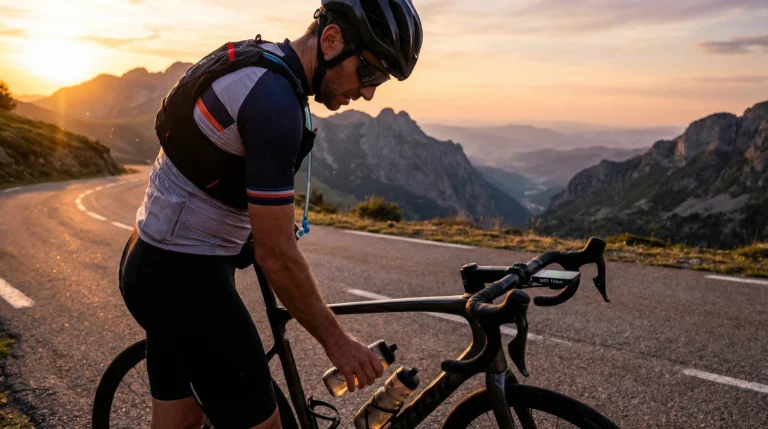
Optimal hydration is a 24/7 endeavor, not just something to consider while pedaling. Arriving at a ride already dehydrated puts you at an immediate disadvantage. Cyclists are encouraged to monitor their daily fluid intake and pay attention to the color of their urine as a simple indicator of hydration status.
Moreover, the importance of hydration does not diminish when the temperature drops. Winter hydration is a frequently overlooked aspect of cycling nutrition. Cold air is often dry, leading to increased fluid loss through respiration, and the lack of visible sweat can trick riders into thinking they don’t need to drink. Maintaining a consistent hydration strategy year-round is vital for immune system function and overall health. For practical advice on managing fluids in colder months, Rouvy provides a helpful guide on winter hydration strategies for cyclists.

Conclusion
Mastering your cycling nutrition and hydration in 2026 requires a proactive and personalized approach. By understanding your unique sweat rate, maximizing your carbohydrate intake during rides, and prioritizing post-ride recovery, you can significantly enhance your endurance, power, and overall enjoyment on the bike. Remember that nutrition is highly individual; what works for a professional racer may not work for you. Experiment with different products and strategies during your training rides to discover the perfect formula that keeps your engine running strong from the first pedal stroke to the final sprint.