In the pursuit of cycling excellence, what you do off the bike is just as important as the miles you put in on the saddle. In 2026, the paradigm has shifted from simply “training harder” to “training smarter and recovering better.” Advances in sports science, wearable technology, and a deeper understanding of human physiology are revolutionizing how cyclists approach fitness. Whether you are training for a century ride or looking to improve your local Strava segments, mastering these recovery and optimization trends is the key to unlocking your full potential.
The Science of Cycling Recovery
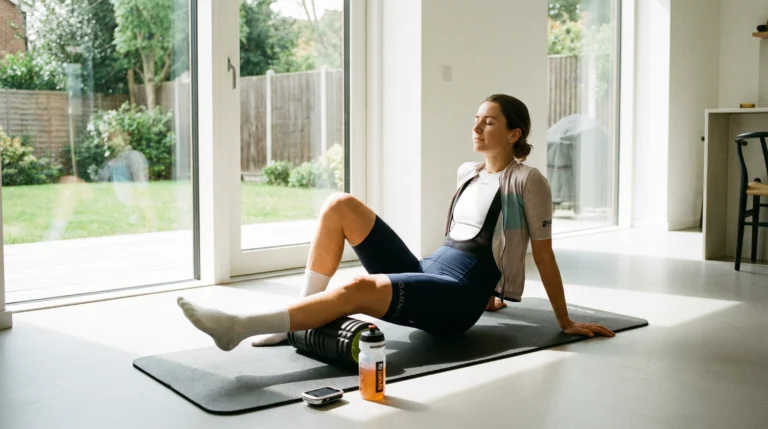
The culture of cycling has finally embraced recovery as a critical training phase rather than a sign of weakness. In 2026, structured recovery protocols are standard practice. The concept of “training stress” is carefully managed to prevent overtraining and burnout.
A key trend is the implementation of mandatory recovery weeks. Coaches now recommend scheduling one recovery week every three to four weeks, where training volume and intensity are reduced to 50-70% of normal levels. This period allows the body to repair muscle tissue, replenish glycogen stores, and adapt to the stress of previous training blocks. Furthermore, active recovery techniques, such as light spinning or swimming, are favored over complete rest, as they promote blood flow and aid in the removal of metabolic waste. For a comprehensive look at recovery timelines, check out this guide on cycling recovery time from Pneux.
Power Meters: The Standard for Fitness Optimization
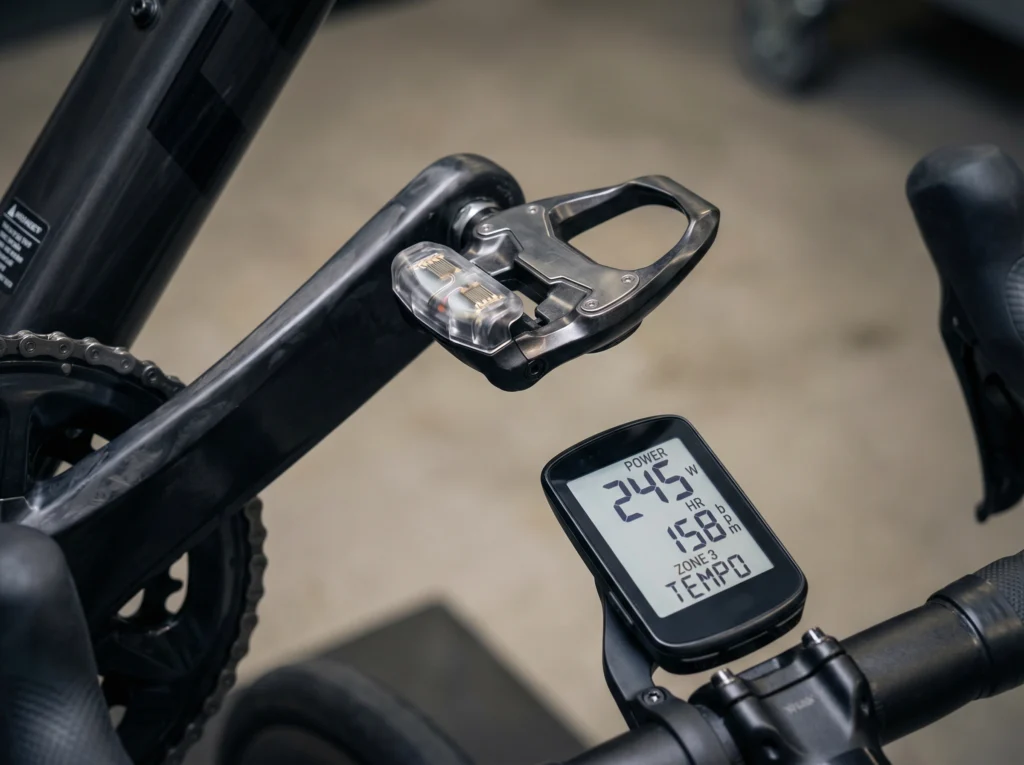
While power meters were once reserved for professional racers, they are now considered essential equipment for any cyclist serious about improving their fitness. In 2026, pedal-based and crank-based power meters are more accurate, reliable, and affordable than ever before.
Training with a power meter eliminates the guesswork associated with perceived exertion or heart rate alone, which can be influenced by factors like heat, caffeine, or fatigue. By establishing your Functional Threshold Power (FTP), you can create highly specific training zones. This allows for targeted interval workouts that maximize physiological adaptations in less time. If you are new to training with watts, our guide on Cycling Training: Fast Fitness with Power is the perfect starting point. You can also find expert reviews of the best power meters for 2026 from Cycling Weekly.
Nutrition and Hydration as Recovery Tools
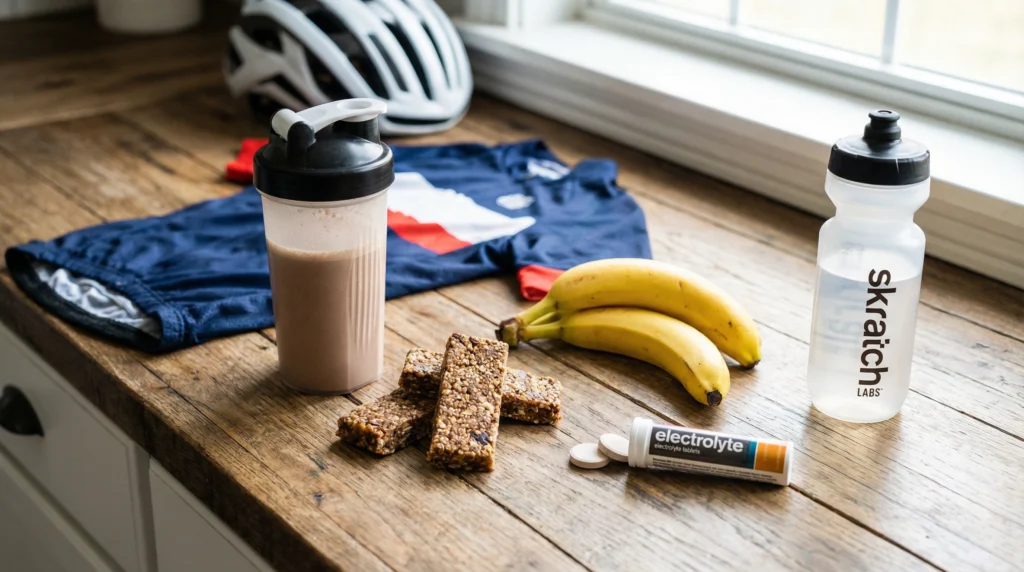
Nutrition is the foundation of recovery. The 2026 approach to sports nutrition is highly personalized, moving away from generic advice to tailored fueling strategies. The critical “glycogen window”—the 30 to 60 minutes immediately following a hard ride—remains the most important time to consume a mix of carbohydrates and protein.
However, the focus has expanded to include micro-nutrients and hydration status. Cyclists are increasingly using electrolyte supplements tailored to their specific sweat rates, which can be determined through simple testing. Additionally, the role of anti-inflammatory foods, such as tart cherry juice and omega-3 rich foods, is being emphasized to reduce exercise-induced muscle damage. Proper fueling not only aids recovery but also ensures you have the energy required for your next high-intensity session. For more insights on fueling your rides, visit our Bike Fitness and Nutrition category.
Wearable Technology and Data-Driven Decisions
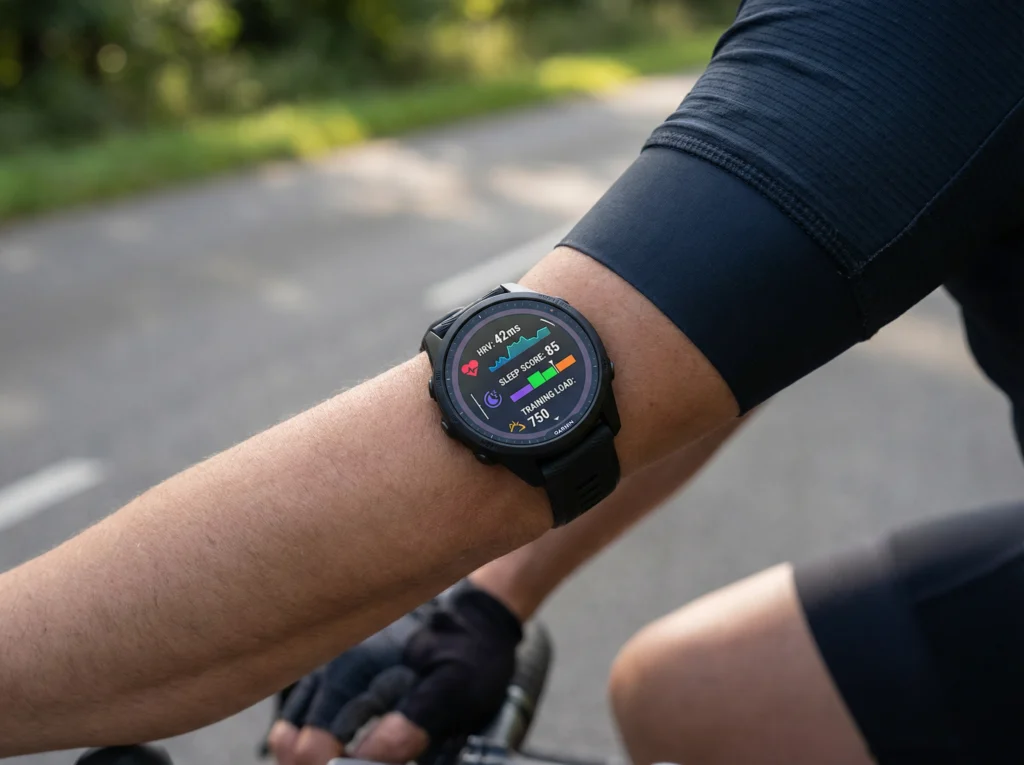
The integration of wearable technology into cycling training has reached new heights. Smartwatches and fitness trackers are no longer just recording GPS data; they are comprehensive health monitors. In 2026, the most valuable metric for cyclists is Heart Rate Variability (HRV).
HRV measures the variation in time between each heartbeat and serves as a highly accurate indicator of the body’s autonomic nervous system status. By tracking HRV every morning, cyclists can objectively determine their readiness to train. A high HRV indicates the body is recovered and ready for a hard workout, while a low HRV suggests the need for an easy day or complete rest. Furthermore, these devices track sleep architecture, providing insights into the quality of deep and REM sleep, which are vital for physical and mental recovery. To explore the best devices for tracking these metrics, read this review of the best smartwatches for cycling from Cycling Weekly.
Cycle-Synced Training
A growing and vital trend in fitness optimization is cycle-synced training for female athletes. Recognizing that hormonal fluctuations throughout the menstrual cycle significantly impact energy levels, metabolism, and recovery, training plans are now being adapted accordingly.
During the low-hormone phase, the body is primed for high-intensity efforts and strength building. Conversely, during the high-hormone phase, the focus shifts to endurance, steady-state efforts, and prioritized recovery. This nuanced approach helps female cyclists maximize their performance while minimizing the risk of overtraining and injury. You can find more specialized advice in our Coach’s Corner with Natasha Van Der Merwe.
Conclusion
Optimizing your cycling fitness in 2026 requires a holistic approach that balances hard work with intelligent recovery. By embracing structured rest, utilizing power data, prioritizing nutrition, and leveraging wearable technology, you can train more effectively than ever before.
Remember that progress happens during recovery, not during the workout itself. Listen to your body, use the data available to you, and don’t be afraid to take an easy day when needed. By mastering these recovery trends, you will ride stronger, faster, and healthier all season long.
Looking for a new challenge to test your fitness? Check out our guide to Cycling Through Christmas: The Best Festive Bike Routes.