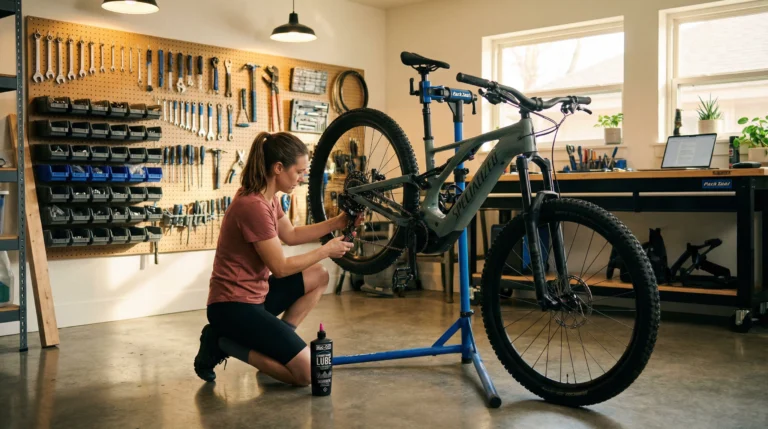
As bicycles become more technologically advanced, the approach to maintaining them must also evolve. In 2026, we are riding machines equipped with high-capacity lithium-ion batteries, wireless electronic drivetrains, and sophisticated suspension systems. While these innovations provide an incredible riding experience, they require specific care to ensure longevity and optimal performance. Whether you ride a traditional acoustic bike or the latest e-MTB, mastering modern bike maintenance is essential. Here is your comprehensive guide to keeping your 2026 bike in perfect condition.
E-Bike Battery Care and Longevity
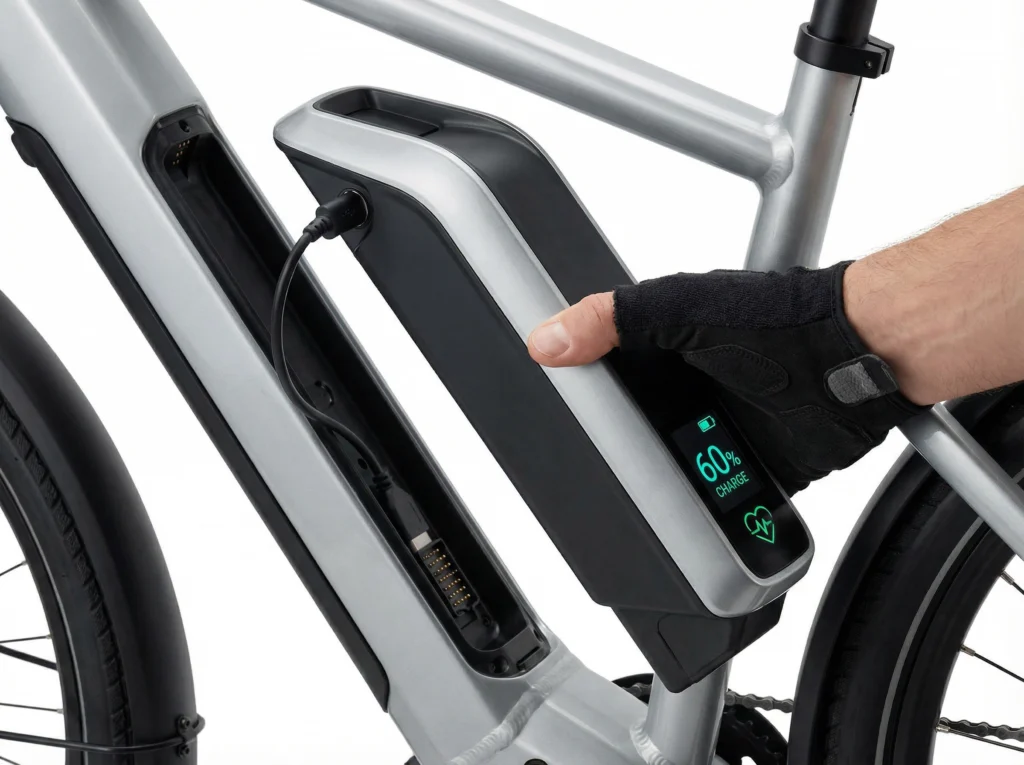
For e-bike owners, the battery is the most expensive and critical component of the bicycle. Proper care can significantly extend its lifespan, which typically ranges from three to five years. The golden rule of e-bike battery maintenance in 2026 is managing charge cycles and temperature.
Avoid draining your battery completely to zero. Instead, aim to keep the charge between 30% and 80% for daily use, charging to 100% only when planning a long ride. When storing your e-bike for an extended period, such as during the winter months, remove the battery if possible and store it indoors at a moderate temperature (between 50°F and 70°F). Crucially, store it with a partial charge of roughly 50-60%. Leaving a battery fully charged or completely depleted in storage can cause irreversible degradation to the cells. For a deeper dive into battery health, consult this ultimate guide to e-bike battery care from Bicycle Warehouse.
Maintaining Wireless Electronic Drivetrains
Electronic shifting systems like SRAM AXS and Shimano Di2 are incredibly popular in 2026 due to their precision and reliability. One of the major benefits of these systems is that they require less maintenance than traditional mechanical cables, which stretch and degrade over time.
However, “low maintenance” does not mean “no maintenance.” The primary task is keeping the batteries charged. Most systems use small, removable batteries on the derailleurs that need charging every few weeks, depending on your riding volume. Additionally, keeping the derailleur pulleys clean and lightly lubricated ensures crisp shifting. When washing a bike with an electronic drivetrain, avoid high-pressure water directly on the electronic components. A gentle wash with a sponge and bike-specific cleaner is sufficient. If you are considering upgrading to electronic shifting, read our article on Cycling Training: Fast Fitness with Power to see how modern tech integrates with your training.
The 2026 Maintenance Schedule
To keep your bike running smoothly, establishing a routine maintenance schedule is crucial. The following framework covers the most important tasks at the right intervals.
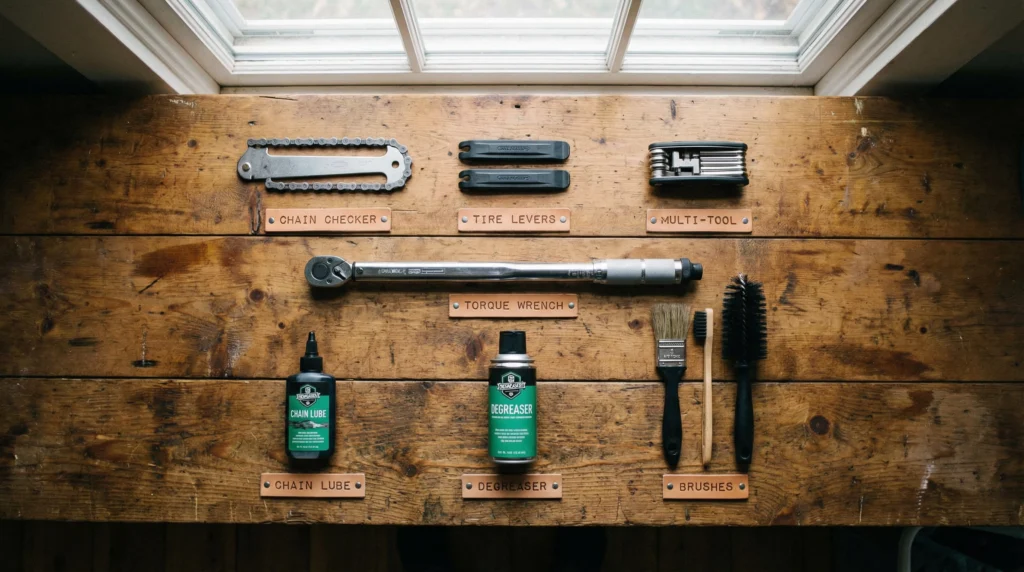
Weekly (or before every long ride): Check tire pressure, as e-bikes are heavier and require precise inflation to prevent pinch flats and optimize battery range. Clean and lubricate the chain, wiping off excess dirt before applying a quality dry or wet lube appropriate for your local weather. Inspect your brakes to ensure the levers feel firm and the pads have sufficient material remaining.
Monthly: Use a torque wrench to verify that all critical bolts—including the stem, handlebars, and seat post—are tightened to manufacturer specifications. Inspect tires for cuts, embedded debris, or excessive tread wear.
Seasonally (Every 6 Months): Service the suspension by having the lower leg oil and seals replaced if you ride a mountain bike or suspension gravel bike. Bleed the hydraulic brakes to remove air bubbles and maintain stopping power. Connect to the manufacturer’s app to install any available firmware updates for your e-bike or electronic drivetrain. For a comprehensive checklist, REI offers an excellent basic bike maintenance guide.
Drivetrain Cleaning: The Secret to Longevity
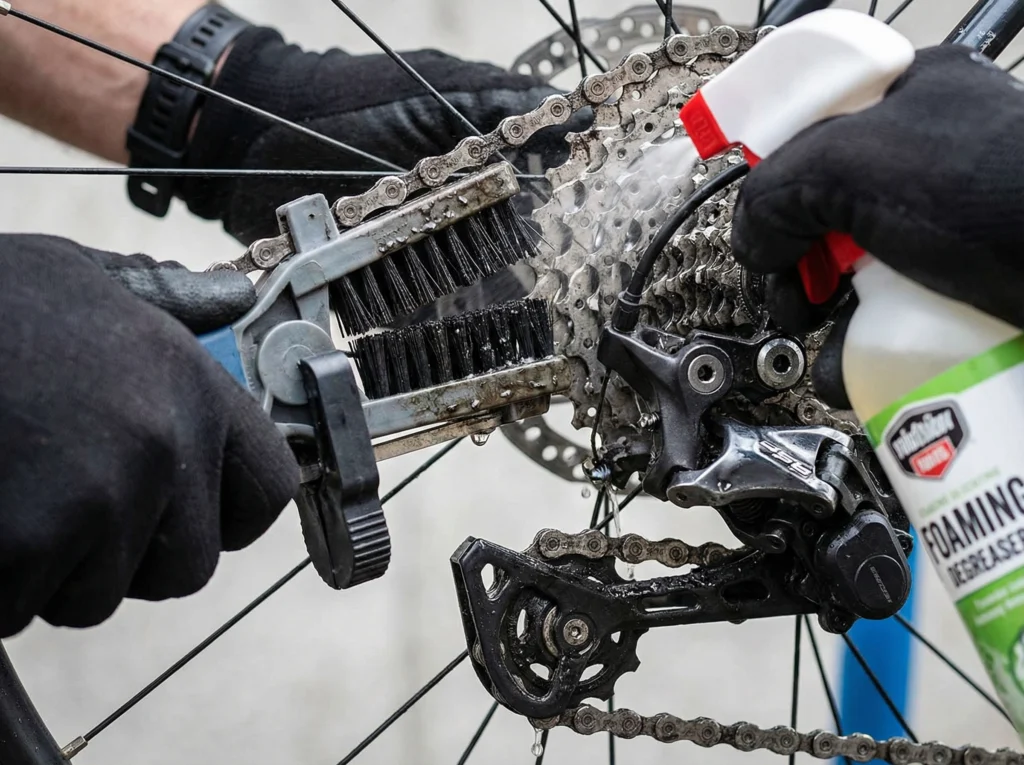
Regardless of whether you have a mechanical or electronic shifting system, keeping the physical drivetrain clean is paramount. The combination of chain lube and trail dirt creates a grinding paste that rapidly wears down your chain, cassette, and chainrings.
Invest in a good quality chain scrubber tool and a biodegradable degreaser. Every few weeks, run the chain through the scrubber to remove the built-up grime. Use a stiff brush to clean between the cogs on the cassette. Once clean and dry, apply a fresh coat of lubricant, being careful to wipe off any excess. A well-maintained drivetrain not only saves you money on replacement parts but also saves you watts, making your ride noticeably easier. For more practical advice, explore our Bike Hacks section. Additionally, Shimano offers excellent guidance on caring for your e-bike at home.
Conclusion
Bike maintenance in 2026 requires a blend of traditional mechanical skills and an understanding of modern electronics. By taking a proactive approach to battery care, keeping your drivetrain spotless, and adhering to a regular maintenance schedule, you can ensure your bike is always ready for the next adventure.
Remember, a clean bike is a happy bike. Taking the time to care for your equipment not only protects your investment but also guarantees a safer, more enjoyable ride every time you hit the road or trail.
Stay up to date with the latest cycling regulations by reading our guide on 2026 E-Bike Laws Cyclists Need to Know.