Cycling in 2026 is not just about lighter frames and smarter electronics. It is fundamentally about how your feet connect to the machine beneath you. After decades of incremental refinement, pedal technology 2026 is finally getting its own spotlight. Riders are demanding more power, efficiency, comfort, and data from every turn of the crank.
At the core of this evolution is a simple truth. Pedals are one of the three key contact points between human and bike, alongside the saddle and handlebars. Innovations here directly impact performance and comfort. In 2026, that connection is becoming smarter, stronger, and more tailored to how we ride.
Specialization Is the New Standard
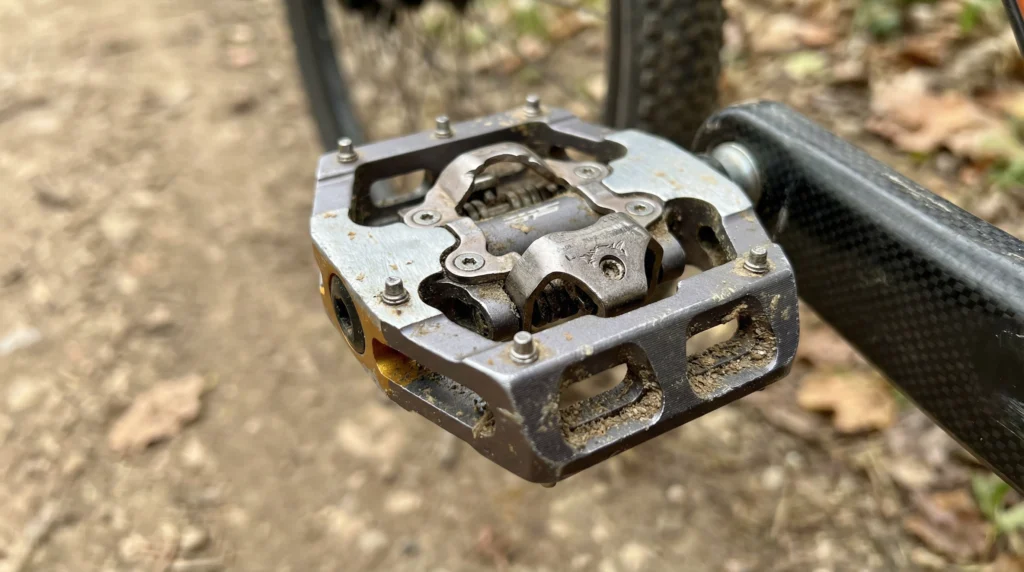
Gone are the days when one type of pedal fit all. Manufacturers are now designing pedals with specific disciplines in mind. Gravel cycling, a booming category blending road speed with off-road grit, has inspired new pedal options. These designs balance efficient power transfer with secure footing on unpredictable terrain. For racers and gravel purists, lightweight clipless designs with increased platform support are emerging. Meanwhile, adventure-oriented versions combine clipless mechanics with grip-enhanced platforms for hikes, scrambles, and loaded tours.
This trend toward specialization reflects broader industry shifts. Riders now expect gear that suits how they ride, whether it is a century on mixed surfaces or urban commuting with frequent stops. If you are interested in how this compares to other off-road innovations, check out our guide on Gravel Bike Suspension Technology.
Materials and Mechanics: Stronger, Lighter, Smarter
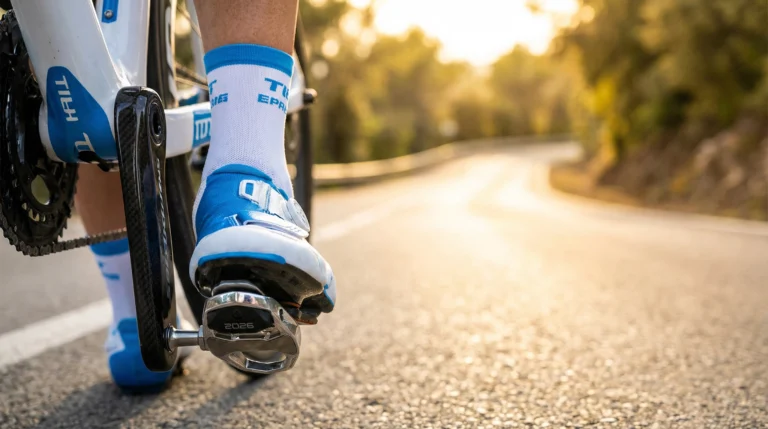
Pedal innovation in 2026 goes beyond form factor into material science and mechanical refinement. Cutting-edge models use advanced alloys, carbon fiber composites, and even titanium axles to slash weight without sacrificing strength. These lightweight systems can weigh under 300 grams per set. This is an impressively low figure compared with traditional designs, while maintaining durability for demanding use.
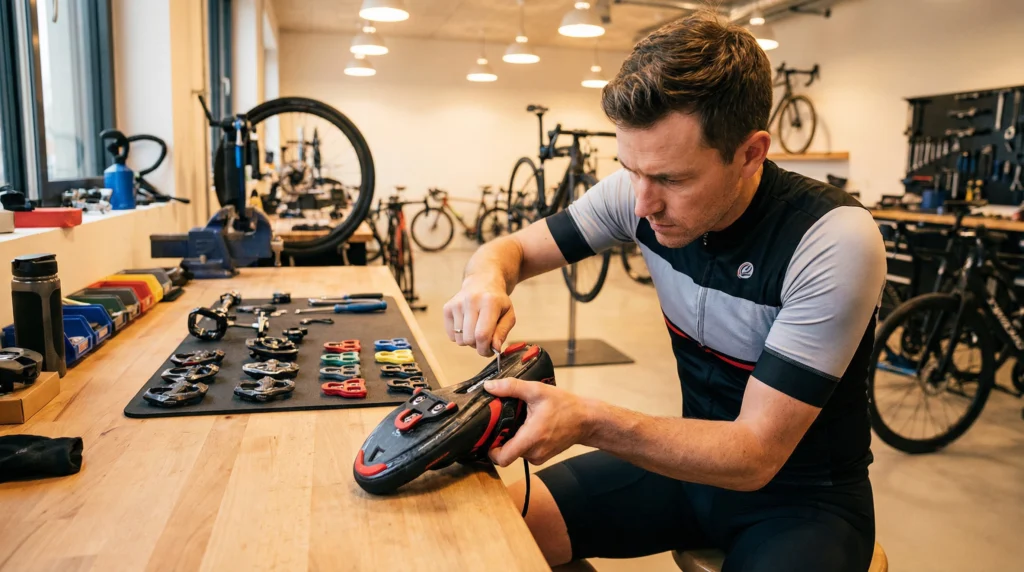
Cleat engagement and release mechanisms, historically a source of frustration for some riders, are also being tweaked. Adjustable tension systems let cyclists fine-tune how snug or quick their feet clip in and out. This aids both performance and safety for riders at all levels. Proper cleat setup is crucial, much like achieving the perfect Bike Fit Technology for your overall riding posture.
Smart Pedals and Connectivity
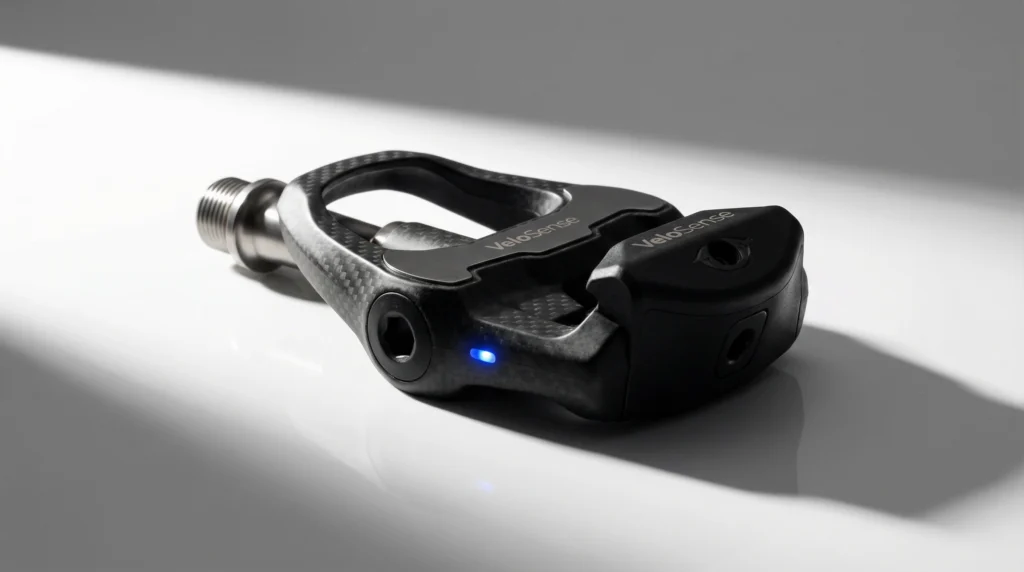
The pedal is not just mechanical anymore; it is becoming digital. A growing share of 2026 pedal designs integrate sensors and connectivity for real-time performance metrics. Think power, cadence, torque, and balance data streaming directly to your cycling computer or smartphone. This trend, once reserved for high-end power meters, is trending toward broader accessibility as market demand for performance insights accelerates.
For riders focused on training, racing, or data-driven improvement, smart pedals turn every ride into feedback. They do this without adding bulky add-ons or complicated installs. This seamless integration pairs perfectly with the latest Cycling Power Meters and Training Metrics to give you a comprehensive view of your fitness.
Market Momentum and Consumer Choice
All this innovation is taking place against a backdrop of strong market growth. The global bike pedal market is projected to expand steadily through 2026. Cycling participation rises for fitness, transport, and recreation across age groups and regions. Demand for performance-oriented clipless pedals, lightweight designs, and smart systems is particularly robust. This reflects both professional and casual riders’ evolving expectations.
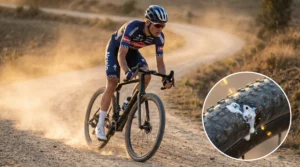
Flat pedals remain incredibly popular with urban commuters, BMX enthusiasts, and riders who prefer simplicity and ease. Dual-platform designs, offering clipless engagement one side and a grippy flat surface the other, cater to versatility. Furthermore, related technologies like real-time tire pressure sensors are also gaining traction, showing a broader trend toward data-driven cycling.
Looking Ahead
In 2026, pedal innovation is not about a single breakthrough. It is about a suite of smarter, more adaptable, and more personalized solutions. From ergonomics and materials to performance tracking and discipline-specific design, the pedal has reclaimed its rightful place in the spotlight of cycling tech. Whether you are chasing Strava segments, navigating city traffic, or packing for a multi-day gravel adventure, the connection between your foot and the bike feels more refined and more exciting than ever.
To stay updated on all the latest cycling advancements, be sure to explore our other articles on Aerodynamic Cycling Optimization and Smart Trainers and Indoor Cycling Technology. The future of cycling is here, and it starts from the ground up.