The debate over the optimal road bike tire setup has reached a fever pitch in 2026. For years, the cycling industry pushed heavily toward tubeless technology, promising fewer punctures, lower rolling resistance, and a smoother ride. However, recent developments and controversies surrounding hookless rims have caused many riders and professionals to re-evaluate their choices. Whether you are a competitive racer or a weekend enthusiast, understanding the nuances of road bike tubeless systems versus traditional tubed setups is crucial for maximizing your performance and safety on the tarmac.
The Rise and Challenges of Hookless Rims
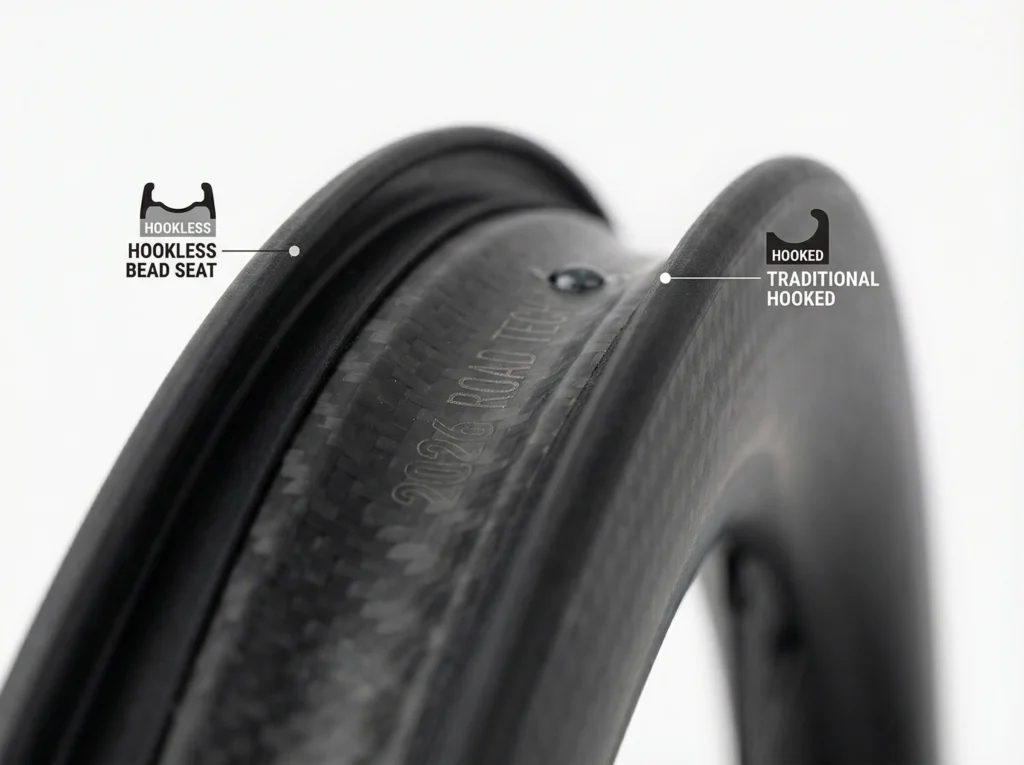
One of the most significant technological shifts in recent years has been the introduction of hookless rims. Traditional bicycle rims feature a small “hook” on the inside edge that helps secure the tire bead in place. Hookless rims, as the name suggests, eliminate this feature, resulting in a straight vertical sidewall. Manufacturers favor this design because it simplifies the carbon manufacturing process, reduces weight, and can create a more aerodynamic transition between the tire and the rim.
However, the transition to hookless technology has not been without its challenges. In early 2024 and continuing into 2026, the UCI (Union Cycliste Internationale) began closely examining the safety of hookless rims following several high-profile incidents in the professional peloton where tires blew off rims during races. The primary issue is that hookless rims require extremely precise manufacturing tolerances for both the rim and the tire. Furthermore, they have strict maximum pressure limits — typically around 73 psi (5 bar). For heavier riders or those who prefer narrower tires, this pressure limit can be restrictive and potentially dangerous if exceeded. For a deeper dive into the safety concerns, you can read about the UCI’s examination of hookless rims.
Performance Metrics: Rolling Resistance and Weight
When it comes to pure performance, the data heavily favors tubeless setups, provided they are optimized correctly. Independent testing consistently shows that high-quality tubeless road tires offer lower rolling resistance than equivalent tires set up with standard butyl inner tubes. The absence of friction between the inner tube and the tire casing allows the tire to deform more efficiently over road imperfections, saving valuable watts.
However, the performance gap narrows significantly when comparing tubeless setups to tires equipped with premium latex or thermoplastic polyurethane (TPU) inner tubes. TPU tubes, in particular, have surged in popularity in 2026. They are incredibly lightweight, often weighing less than the volume of liquid sealant required for a tubeless setup, and they offer rolling resistance figures that rival the best tubeless systems. For riders who want the speed of tubeless without the messy setup, TPU tubes present a compelling alternative. If you are looking to optimize your overall speed and fitness, check out our guide on Cycling Training: Fast Fitness with Power to see how equipment choices complement physical training.
The Reality of Puncture Protection and Maintenance
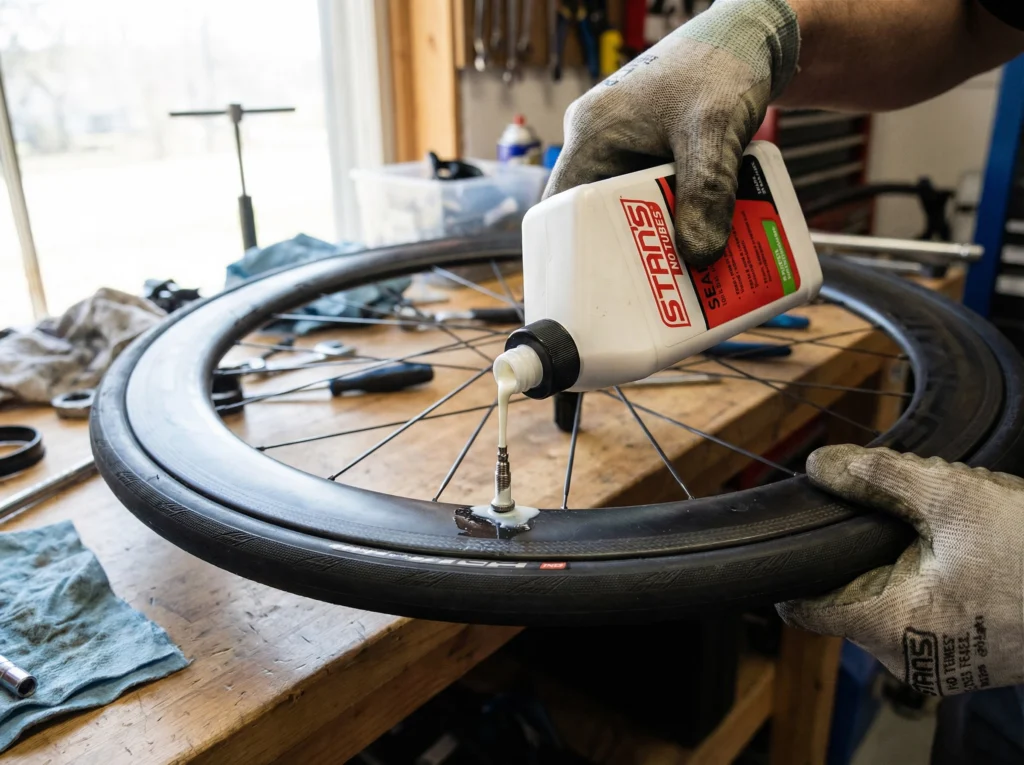
The most touted benefit of road tubeless is its ability to self-seal small punctures. When a thorn or piece of glass pierces the tire, the liquid sealant inside rushes to the hole and coagulates, often sealing the leak before the rider even notices a drop in pressure. This feature is undeniably valuable, especially on long endurance rides or when navigating debris-strewn city streets.
Conversely, the maintenance required for a tubeless system can be a deterrent for many cyclists. Installing a tubeless tire often requires an air compressor or a specialized flash pump to seat the bead onto the rim. Additionally, the liquid sealant dries out over time and must be replenished every few months to remain effective. If a puncture is too large for the sealant to fix, repairing a tubeless tire on the side of the road can be a messy and frustrating experience, often requiring the insertion of a sticky tire plug or, ironically, the installation of an inner tube. For more tips on keeping your bike in top shape, visit our Essential Bike Maintenance guide.
Making the Right Choice for Your Riding Style
Choosing between tubeless and tubed tires in 2026 ultimately comes down to your specific riding style, mechanical proficiency, and the roads you frequent.
If you prioritize absolute performance, ride on rougher roads where lower pressures are beneficial, and are comfortable with the initial setup and ongoing maintenance, road tubeless is likely the superior choice. The combination of lower rolling resistance and self-sealing puncture protection is hard to beat for dedicated enthusiasts and racers.
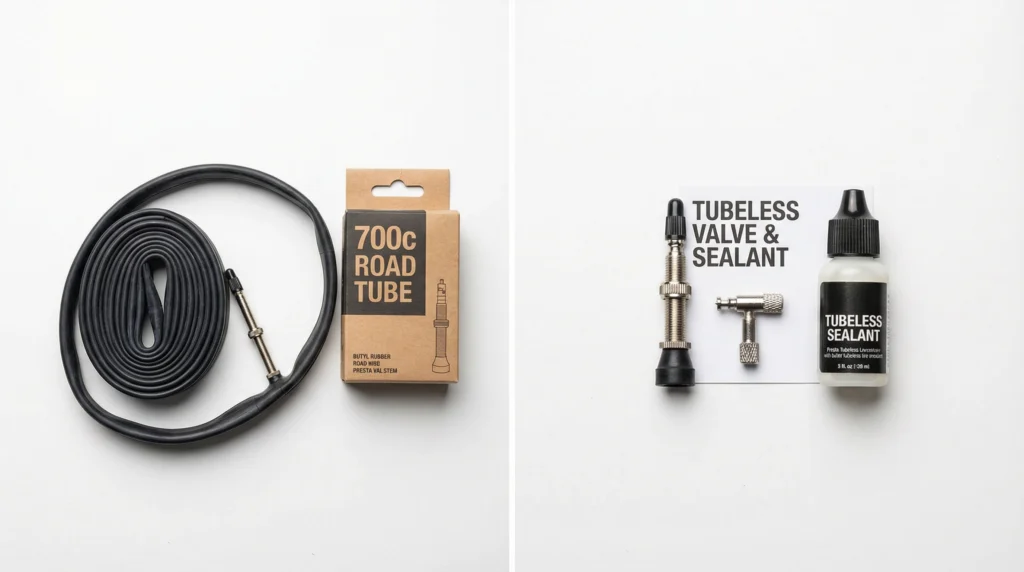
On the other hand, if you prefer a “fit and forget” approach, ride primarily on smooth tarmac, or frequently swap tires between different wheelsets, a traditional tubed setup — especially when paired with modern TPU inner tubes — remains an excellent option. It offers simplicity, reliability, and performance that is remarkably close to tubeless without the associated mess.
Conclusion
The landscape of road bike tire technology in 2026 is more diverse than ever. The industry’s push toward hookless rims has forced a necessary conversation about safety and compatibility, while advancements in inner tube materials have breathed new life into traditional setups. By understanding the pros and cons of each system, you can make an informed decision that enhances your riding experience, keeping you rolling smoothly and safely mile after mile. For further reading on the latest gear, explore Bicycling Magazine’s insights on the case against tubeless road tires and stay informed on the evolving standards.