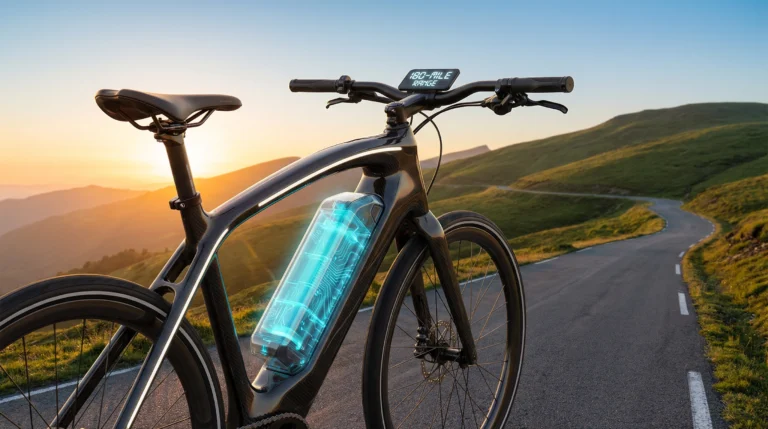
The Dawn of a New Era in E-Bike Power
The electric bicycle industry is standing on the precipice of its most significant technological leap in over a decade. As we navigate through 2026, the conversation has shifted from incremental motor improvements to a fundamental reimagining of how we store and deliver power. The catalyst for this transformation is solid-state battery technology, an innovation that promises to redefine the boundaries of e-bike range, safety, and performance.
For years, cyclists have relied on traditional lithium-ion batteries to power their commutes and weekend adventures. While these power sources have served us well, they come with inherent limitations regarding weight, charging speed, and thermal stability. The introduction of solid-state alternatives at major industry events like CES 2026 has signaled that the future of electric mobility has officially arrived. This breakthrough is not merely a subtle upgrade; it represents a complete paradigm shift that will affect every rider, from the daily urban commuter to the dedicated mountain trail explorer.
Understanding Solid-State Battery Technology
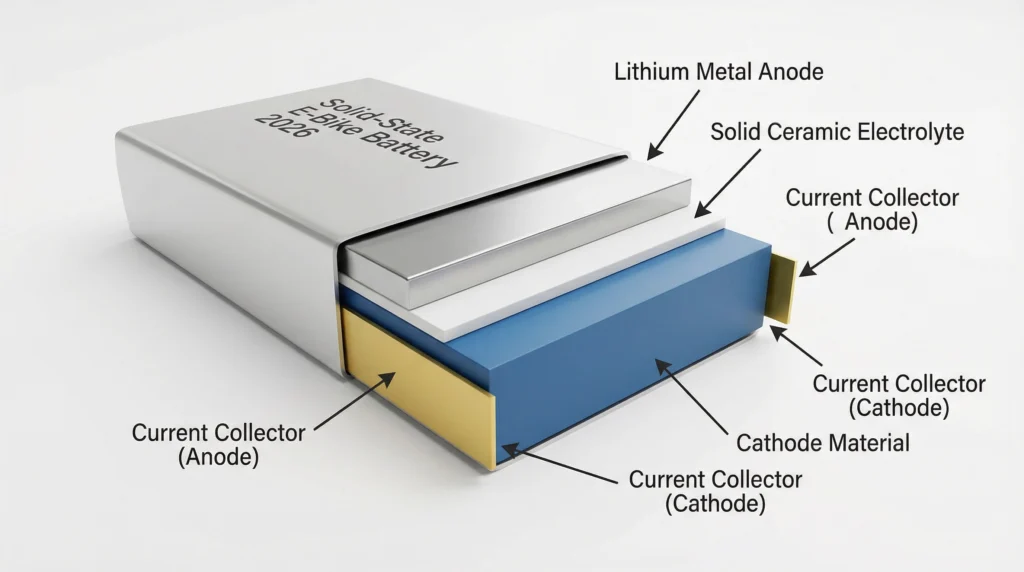
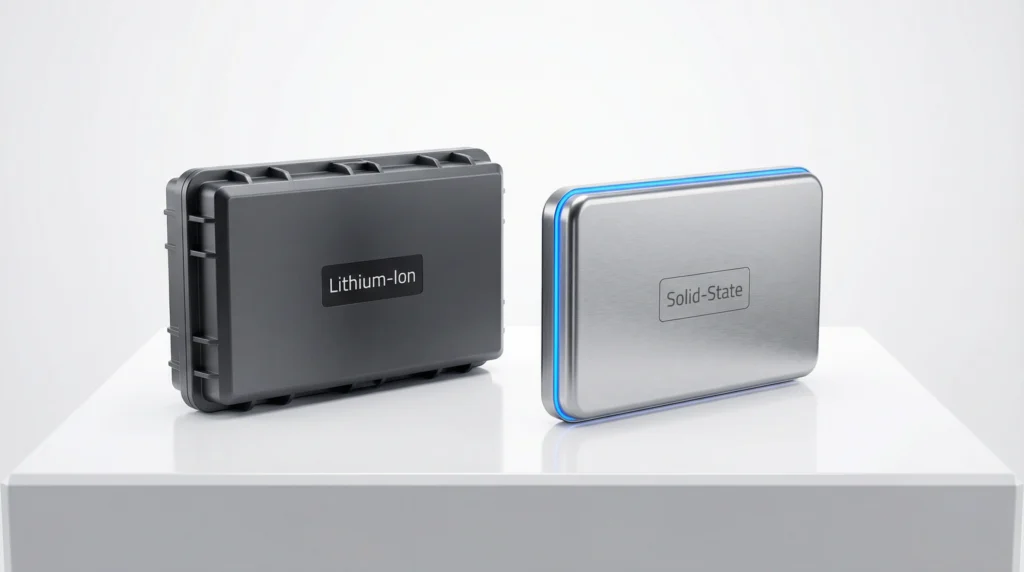
To appreciate the magnitude of this advancement, we must first understand what makes solid-state battery technology fundamentally different from its predecessors. Traditional lithium-ion batteries utilize a liquid or gel electrolyte to facilitate the movement of ions between the anode and the cathode. While effective, this liquid component is flammable, adds significant weight, and degrades over time with repeated charging cycles.
Conversely, solid-state batteries replace this liquid medium with a solid ceramic, glass, or polymer electrolyte. This structural change might sound simple, but its implications for the cycling world are profound. By eliminating the volatile liquid components, manufacturers can create power cells that are inherently safer and far more energy-dense. According to recent 2026 tech predictions from industry experts, this shift allows for more power to be packed into a significantly smaller physical footprint.
The Range Revolution: Going Further Than Ever Before
Perhaps the most exciting aspect of solid-state battery technology for the average cyclist is the dramatic increase in potential range. Range anxiety—the fear of running out of battery power far from home—has long been a primary barrier to e-bike adoption. With the new energy density provided by solid-state cells, riders can expect to travel significantly further on a single charge.
Current prototypes showcased by companies like ProLogium and Donut Lab demonstrate the capability to store up to twice the energy of a comparably sized lithium-ion battery. This means that an e-bike which previously offered a 50-mile range could potentially achieve 100 miles without any increase in the physical size or weight of the battery pack. For those interested in bikepacking and adventure cycling, this extended range opens up entirely new routes and multi-day itineraries that were previously impossible without carrying heavy spare batteries.
Lightning-Fast Charging Capabilities
Beyond simply holding more energy, solid-state batteries fundamentally change how quickly we can replenish that power. Traditional batteries require careful thermal management during the charging process to prevent overheating and degradation. This necessary caution inherently limits how fast a battery can safely accept a charge.
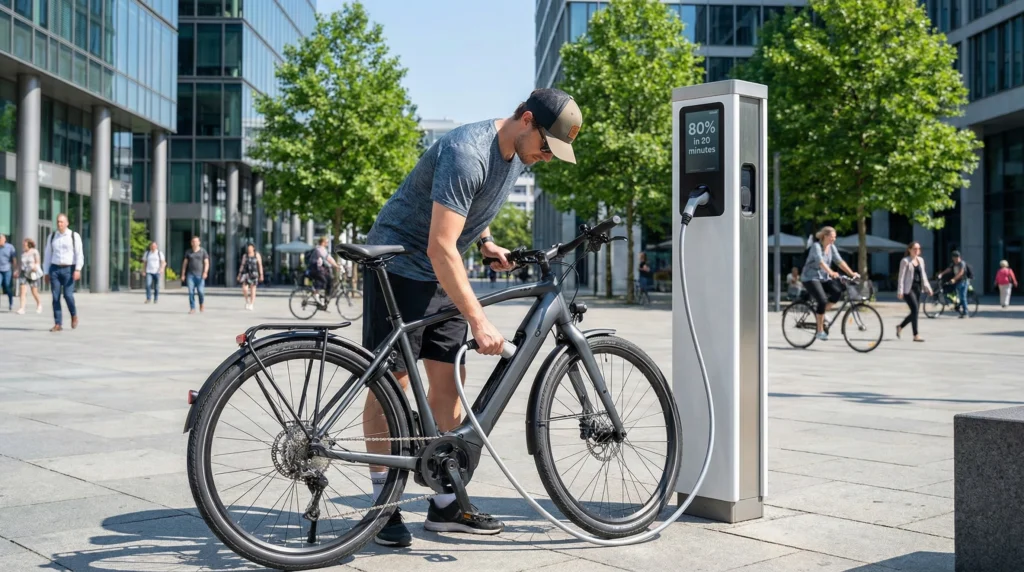
Because solid-state electrolytes are highly resistant to heat and thermal runaway, they can safely accept much higher charging currents. Industry demonstrations in early 2026 have shown solid-state e-bike batteries reaching an 80% charge in as little as 15 to 20 minutes. This rapid charging capability transforms the e-bike experience. Instead of waiting hours for a full charge, a rider can plug in their bike during a quick coffee break and gain enough power to complete a lengthy commute or extended trail ride.
Enhanced Safety and Longevity
Safety remains a paramount concern for both manufacturers and consumers. The elimination of flammable liquid electrolytes drastically reduces the risk of battery fires, a rare but serious issue that has occasionally plagued the micro-mobility sector. Solid-state battery technology is inherently stable, capable of withstanding physical punctures, extreme temperatures, and overcharging without catastrophic failure.
Furthermore, these new batteries boast a significantly longer lifespan. Traditional lithium-ion cells typically begin to show noticeable capacity degradation after 500 to 1,000 charge cycles. Solid-state alternatives, however, can endure thousands of cycles with minimal loss of capacity. This longevity means that your e-bike battery will likely outlast the mechanical components of the bicycle itself, making the initial investment far more economical over the long term. This durability pairs perfectly with essential e-bike maintenance practices to ensure your ride stays on the road for years to come.
Impact on Bicycle Design and Aesthetics
The transition to solid-state power is also freeing bicycle designers from the constraints of bulky battery compartments. Because these new cells are smaller and lighter for the same energy output, manufacturers can integrate them more seamlessly into the bicycle frame. The result is a new generation of e-bikes that look and feel almost identical to traditional acoustic bicycles.
We are already seeing the emergence of ultra-lightweight e-bikes that utilize compact motors and slim solid-state batteries. These machines offer the aesthetic appeal and nimble handling of a standard road or gravel bike, while still providing a substantial electric assist when needed. This design evolution is particularly exciting for riders who value aerodynamic optimization and sleek aesthetics.
When Will We See Mass Adoption?
While the prototypes and early production models of 2026 are incredibly promising, the transition to solid-state battery technology will not happen overnight. Currently, the manufacturing processes required to produce these advanced cells at scale are complex and expensive. However, major battery manufacturers are investing billions into scaling up production facilities.
Industry analysts predict that we will see premium, flagship e-bike models featuring solid-state batteries hitting showroom floors in late 2026 and early 2027. As production scales and costs decrease, this technology is expected to trickle down to mid-range and entry-level commuter bikes by 2028. In the meantime, riders can continue to optimize their current setups by utilizing power meters and training metrics to maximize their efficiency on the road.
Preparing for the Future of Cycling
The impending solid-state revolution represents a thrilling frontier for the cycling community. As we look toward a future of lighter bikes, longer ranges, and faster charging times, the possibilities for exploration and commuting are expanding exponentially. Whether you are a dedicated mountain biker looking to conquer steeper, longer trails, or an urban commuter seeking a reliable, low-maintenance transportation solution, solid-state battery technology is poised to elevate your riding experience.
As we await the widespread availability of these next-generation power sources, it is an excellent time to stay informed about the broader shifts in the industry. From shifting wheel standards and tubeless debates to the integration of advanced mountain bike tech trends, the cycling world is evolving rapidly. The solid-state battery is just one piece of a larger puzzle that is making cycling safer, faster, and more accessible than ever before.
Stay tuned to iBikeBlog as we continue to monitor these developments and provide hands-on reviews as the first solid-state equipped e-bikes become available to the public. The future of cycling is electric, and it is looking brighter—and lighter—than ever.