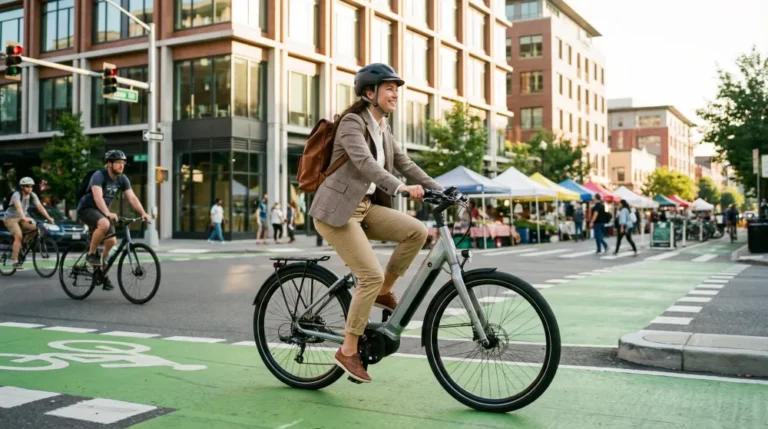
Urban transportation is undergoing a quiet revolution. As cities become more congested and the cost of living rises, traditional commuting methods are being reevaluated. In 2026, the clear winner emerging from this shift is the electric bicycle. E-bike adoption is no longer a niche trend; it is a mainstream movement reshaping how we navigate our cities. From advanced commuter bike features to expanding cycling infrastructure, let’s explore the key factors driving the urban commuting boom this year.
E-bikes are transforming urban commuting, offering a fast, efficient, and eco-friendly alternative to cars and public transit.
Why E-Bike Adoption is Skyrocketing
The surge in e-bike adoption in 2026 is driven by a perfect storm of economic, environmental, and technological factors. Primarily, the rising costs of fuel, parking, and public transportation have made e-bikes an incredibly attractive financial alternative. While the initial investment can be significant, the return on investment is often realized within the first year of ownership.
Furthermore, the environmental benefits are undeniable. As cities push for greener initiatives to combat climate change, e-bikes offer a zero-emission mode of transport that significantly reduces an individual’s carbon footprint. However, the most compelling reason for many is simply convenience. E-bikes allow commuters to bypass traffic jams, arrive at work sweat-free, and enjoy a predictable travel time. The motor assistance flattens hills and makes long distances manageable for riders of all fitness levels. For a detailed look at the economic and social benefits, the Rocky Mountain Institute’s report on e-bike adoption provides excellent insights.
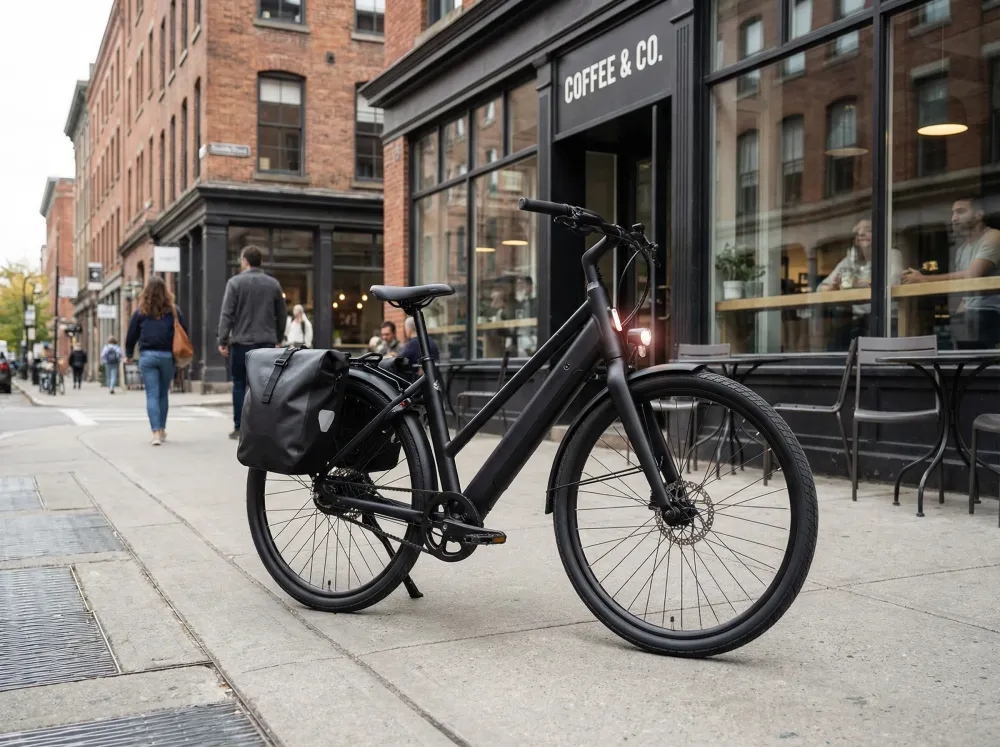
Modern commuter e-bikes feature integrated lights, fenders, and racks, making them practical for daily use in any weather.
Essential Commuter Bike Features for 2026
The commuter bikes of 2026 are purpose-built machines designed for the rigors of daily urban use. Manufacturers have listened to riders and integrated features that prioritize safety, comfort, and practicality.
One of the most notable trends is the standardization of puncture-resistant, high-volume tires. Typically around 3 inches wide, these tires absorb the shock of potholes and rough city streets, providing a smooth and stable ride. Additionally, full-coverage fenders and durable rear racks are now considered essential standard equipment rather than optional accessories.
Integrated lighting systems are another crucial feature. Modern commuter e-bikes come equipped with powerful front and rear lights powered directly by the main battery, ensuring visibility in all conditions. Step-through frame designs are also dominating the market, offering easy mounting and dismounting, which is particularly beneficial when riding in work attire or carrying heavy loads. To see how these features compare across different models, check out this guide to the best commuter e-bikes from VeloTric.

Expanding protected bike lanes and dedicated cycling infrastructure are crucial drivers of increased e-bike adoption in urban areas.
The Impact of Expanding Cycling Infrastructure
The rapid adoption of e-bikes is intrinsically linked to the development of better cycling infrastructure. In 2026, cities worldwide are recognizing that painting a white line on a busy road is no longer sufficient. The focus has shifted to creating protected bike lanes, dedicated cycling highways, and secure parking facilities.
Protected bike lanes, separated from vehicular traffic by physical barriers, are proven to increase ridership by making cycling feel safer and more accessible to a broader demographic. Furthermore, cities are implementing “green wave” traffic light systems optimized for cycling speeds, significantly reducing commute times. Secure, covered bike parking at transit hubs and office buildings is also alleviating the fear of theft, a major barrier for many potential riders. If you are interested in how local laws are adapting to these changes, read our comprehensive overview of 2026 E-Bike Laws Cyclists Need to Know.
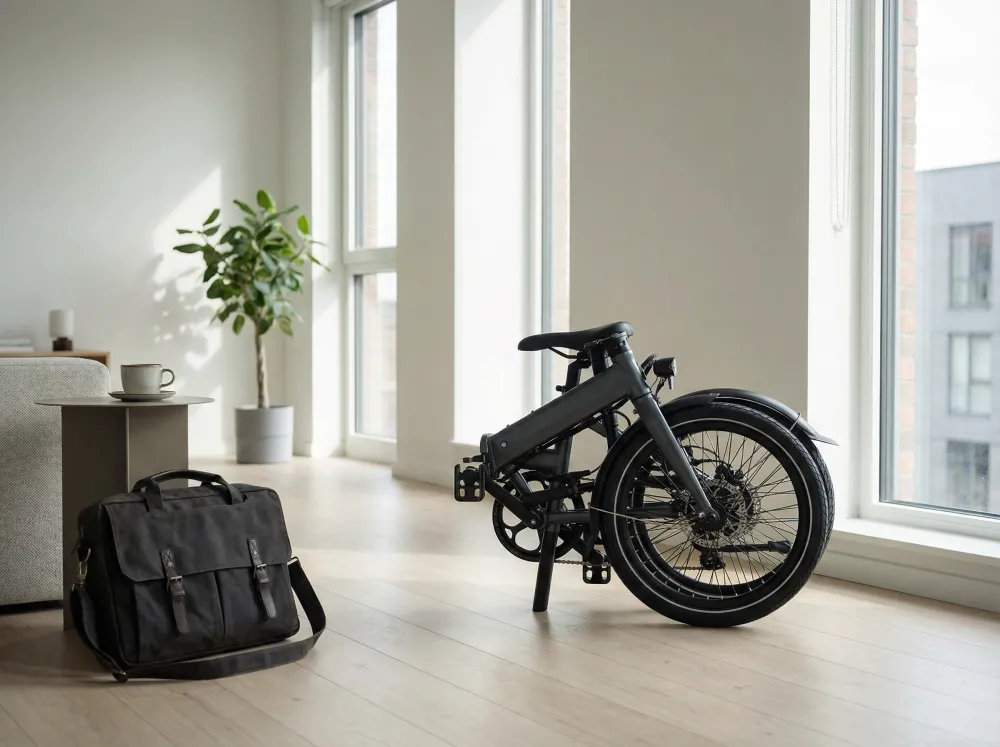
Folding e-bikes offer the ultimate flexibility for multi-modal commuters who need to combine cycling with public transit.
The Rise of Cargo and Folding E-Bikes
Within the broader e-bike category, two specific segments are seeing explosive growth in 2026: cargo bikes and folding bikes.
Electric cargo bikes are rapidly replacing second cars for many urban families. With the ability to carry groceries, transport children, or deliver goods, these heavy-duty machines offer incredible utility. The electric assist makes hauling heavy loads manageable, even on hilly terrain.
Conversely, folding e-bikes cater to the multi-modal commuter. These compact bikes can be easily folded and carried onto trains or buses, solving the “last mile” problem of urban transit. They are also ideal for apartment dwellers with limited storage space. The versatility of these specialized e-bikes demonstrates that there is a perfect model for almost every urban lifestyle. For more tips on choosing the right bike for your needs, explore our Bike Hacks section. For a broader look at how cities are supporting e-bike growth, read this report from the Rocky Mountain Institute.
Conclusion
The urban commuting landscape of 2026 is undeniably electric. The combination of advanced e-bike technology, expanding city infrastructure, and a growing desire for sustainable, cost-effective transportation is driving unprecedented adoption rates. E-bikes are no longer just a recreational novelty; they are a practical, efficient, and enjoyable solution to the challenges of modern city living.
As cities continue to adapt and manufacturers refine their designs, the e-bike revolution will only accelerate. Whether you choose a rugged cargo bike, a nimble folding model, or a fully equipped commuter, joining the e-bike movement is one of the best decisions you can make for your commute, your wallet, and your city.
Looking for more ways to optimize your cycling experience? Check out our latest articles in the Tech Tips category.