The Evolution of Cycling Recovery Methods in 2026
Cycling performance is no longer just about pushing harder on the pedals. In 2026, the intersection of human biomechanics and advanced recovery protocols has transformed how riders approach their post-ride routines. The landscape of cycling training plans has undergone a massive transformation in recent years. Today, the immediate focus often shifts to optimizing recovery rather than simply adding more miles. Understanding the science behind active recovery, foam rolling, and sleep optimization is crucial for any serious cyclist looking to maximize their potential.
The foundation of power begins with how well your body recovers from stress. When we think about improving our cycling performance, we must consider the holistic approach to muscle regeneration. A comprehensive recovery strategy reduces muscle soreness, increases blood flow, and prepares the body for the next intense effort. This guide explores the most effective cycling recovery methods and active recovery strategies available to riders in 2026.
Mastering the Foam Roller for Cyclists
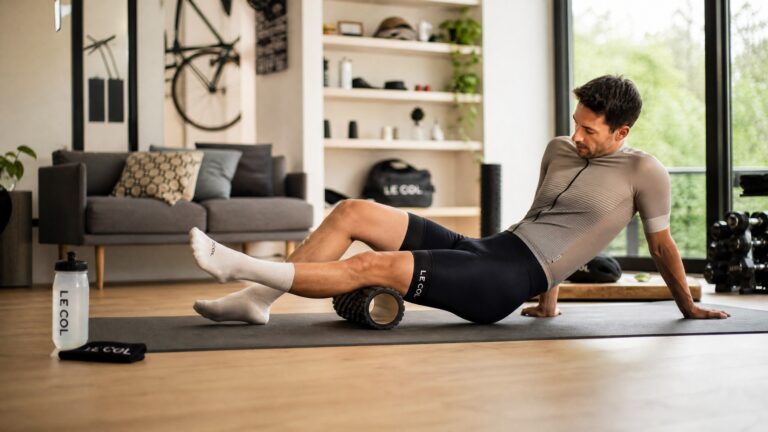
A foam roller is a self-myofascial release tool that cyclists can use to temporarily improve range of motion and reduce how sore their legs feel. It works best as a support tool, not as a cure-all for pain or injuries. Before a ride, foam rolling can be useful as part of a warm-up, especially around the glutes and hips. After a ride, it can help the body feel less stiff, but it will not replace good fueling, sleep, or sensible training.
Cyclists should focus mainly on the quads, glutes, calves, adductors, and hip muscles. The intensity and frequency of foam rolling matter significantly around key events. Done well, it helps you feel looser and more switched on before getting on the bike. Done poorly, it can leave the legs feeling flat. According to ROUVY’s guide on foam rolling for cyclists, short bouts of 30 to 60 seconds per muscle group work best before a ride, while 60 to 90 seconds can be effective post-ride.
The Science of Active Recovery Rides
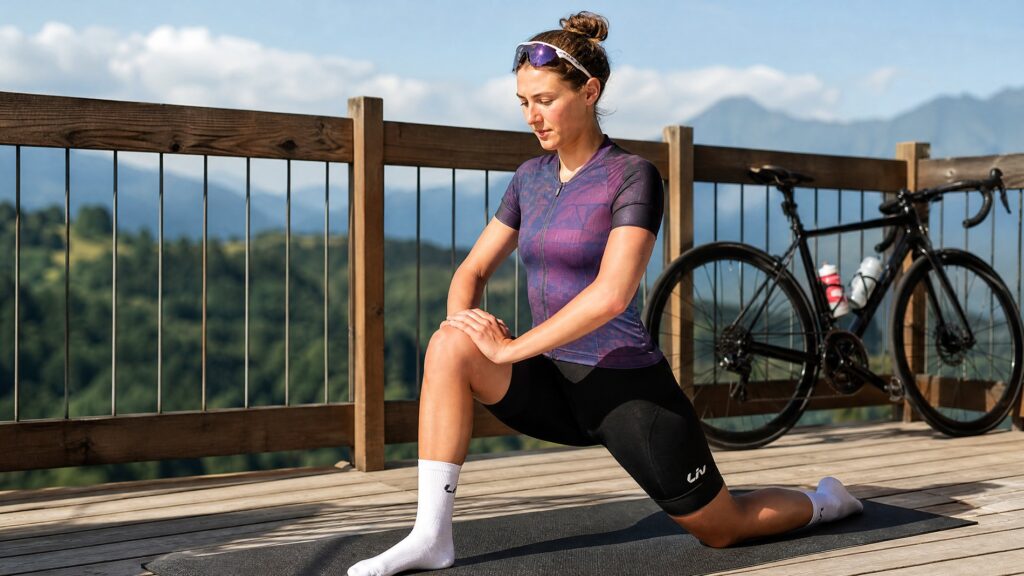
Active recovery involves engaging in low-intensity activities, such as gentle cycling, to promote blood flow and facilitate muscle repair. These easy spinning sessions help flush out metabolic waste products without adding significant stress to the body. The key is to keep the intensity very low, typically in Zone 1 of your power or heart rate zones. This approach is often more effective than complete rest for reducing delayed onset muscle soreness (DOMS).
When planning an active recovery ride, the duration should be kept short, usually between 30 to 60 minutes. The goal is to spin the legs and elevate the heart rate slightly, not to build fitness. Incorporating these rides into your weekly schedule can significantly enhance your overall injury prevention and biomechanics strategy. Furthermore, active recovery rides provide an excellent opportunity to focus on cycling posture and core strength without the distraction of high-intensity efforts.

Sleep Optimization and Nutrition Strategies
Sleep is arguably the most critical component of any recovery protocol. During deep sleep, the body releases human growth hormone (HGH), which is essential for tissue repair and muscle growth. Endurance athletes should aim for 7 to 9 hours of quality sleep per night. Establishing a consistent sleep schedule, optimizing the sleep environment, and limiting screen time before bed are all proven strategies to enhance sleep quality.
Nutrition and hydration play equally vital roles in the recovery process. Replenishing glycogen stores and providing adequate protein for muscle repair should be a priority immediately following a hard ride. Proper cycling nutrition and fueling strategy ensures that your body has the necessary building blocks to recover efficiently. Research published in MDPI on recovery strategies in endurance athletes highlights that hydration and nutrition are the most commonly recommended recovery strategies, utilized by over 80% of athletes.
Advanced Recovery Tools and Techniques
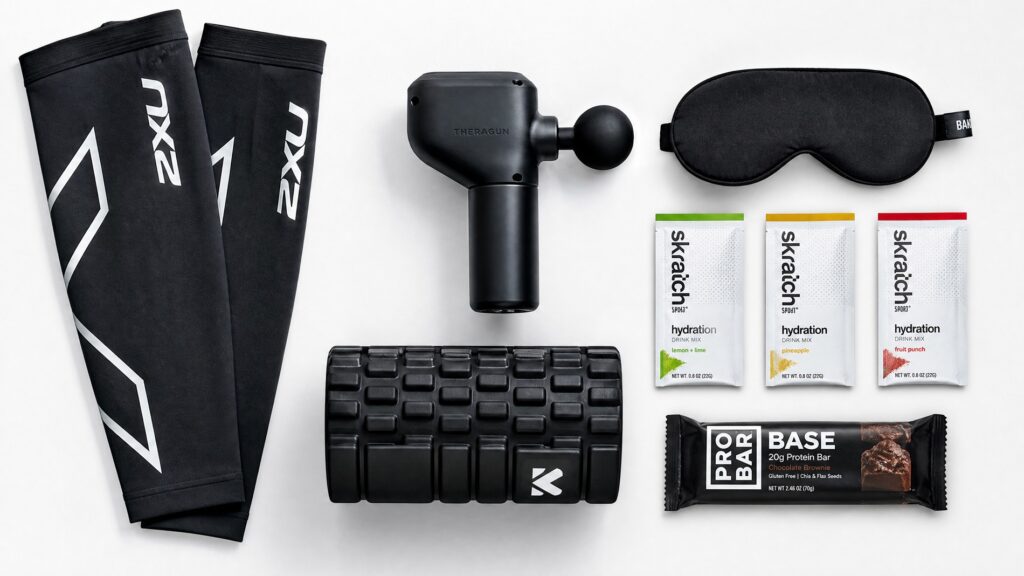
In 2026, cyclists have access to a wide array of advanced recovery tools. Compression garments, such as leg sleeves and socks, are popular for improving venous return and reducing swelling. Massage guns offer targeted percussive therapy to alleviate muscle tension and improve blood flow. Additionally, contrast water therapy, alternating between cold plunges and saunas, is gaining traction for its potential to reduce inflammation and accelerate recovery.
While these tools can be beneficial, they should complement, not replace, the foundational pillars of recovery: sleep, nutrition, and active recovery. TrainingPeaks emphasizes the importance of doing rest days right, noting that true recovery requires a holistic approach. By integrating these various methods, cyclists can optimize their recovery, reduce the risk of overtraining, and consistently perform at their best.
Conclusion
Optimizing your cycling recovery is a multifaceted process that requires attention to detail and consistency. By mastering foam rolling techniques, incorporating active recovery rides, prioritizing sleep, and utilizing advanced tools, you can significantly enhance your body’s ability to bounce back from hard efforts. Remember that recovery is just as important as the training itself. As you refine your approach, you will find that you can train harder, race faster, and enjoy your time on the bike more fully.
For more insights on optimizing your cycling performance, check out the Road Cycling Academy’s top recovery tips and explore the Cycling Weekly guide to getting the best from a foam roller. Implementing these strategies will ensure you are always ready for your next ride.