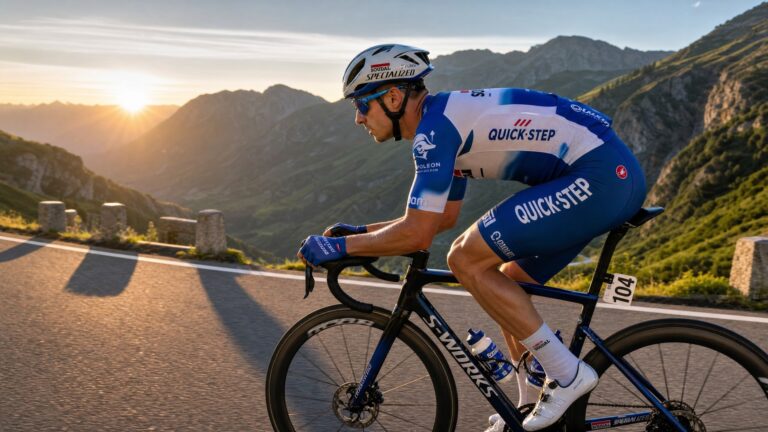
Introduction to Cycling Injury Prevention
Cycling is a fantastic way to build cardiovascular fitness, explore the outdoors, and commute sustainably. However, the repetitive nature of pedaling can sometimes lead to overuse injuries if proper precautions are not taken. In 2026, the approach to cycling injury prevention has evolved significantly, integrating advanced biomechanical analysis, targeted strength training, and proactive recovery protocols. Understanding how to protect your body is just as important as knowing how to push it. In this guide, we will explore the most common cycling injuries and the modern strategies used to prevent them.
The key to longevity in the sport is recognizing that cycling is a highly repetitive, low-impact activity that occurs in a fixed posture. This unique combination can create muscle imbalances, where certain muscle groups become overdeveloped and tight, while others become weak and underutilized. By addressing these imbalances through a comprehensive prevention strategy, cyclists can enjoy miles of pain-free riding. For a deeper dive into how your position on the bike affects your body, our article on Cycling Posture and Core Strength Training 2026 is an excellent starting point.
Common Cycling Injuries and Their Causes
Knee pain is arguably the most prevalent complaint among cyclists. Often referred to as “cyclist’s knee,” this discomfort usually manifests at the front of the knee (patellofemoral pain syndrome) or on the outside (iliotibial band syndrome). These issues are frequently caused by improper saddle height, incorrect cleat alignment, or pushing too hard in high gears. When the saddle is too low, it places excessive stress on the patella; when it is too high, it can strain the IT band. Ensuring your bike is properly fitted is the first line of defense against knee pain.
Lower back pain is another frequent issue, typically resulting from an aggressive, aerodynamic riding position held for extended periods. This posture forces the lower back to flex continuously, which can lead to muscle fatigue and strain. Weak core muscles exacerbate this problem, as they fail to support the spine adequately. Additionally, neck and shoulder pain often accompany lower back issues, usually stemming from reaching too far for the handlebars or riding with locked elbows. To understand how a professional fit can mitigate these issues, read our guide on Bike Fit and Geometry Optimization for Performance 2026.
For more detailed medical insights into common cycling injuries, Cycling Weekly’s injury prevention guide provides excellent expert advice.
The Role of Biomechanics and Bike Fit
In 2026, biomechanical analysis has become a cornerstone of injury prevention. Modern bike fitting goes far beyond simple tape measure adjustments. Advanced 3D motion capture technology is now widely used to analyze a rider’s pedal stroke, joint angles, and overall posture in real-time. This data-driven approach allows fitters to make micro-adjustments that optimize power output while minimizing the risk of injury. A proper bike fit ensures that your body is aligned correctly, reducing undue stress on your joints and muscles.
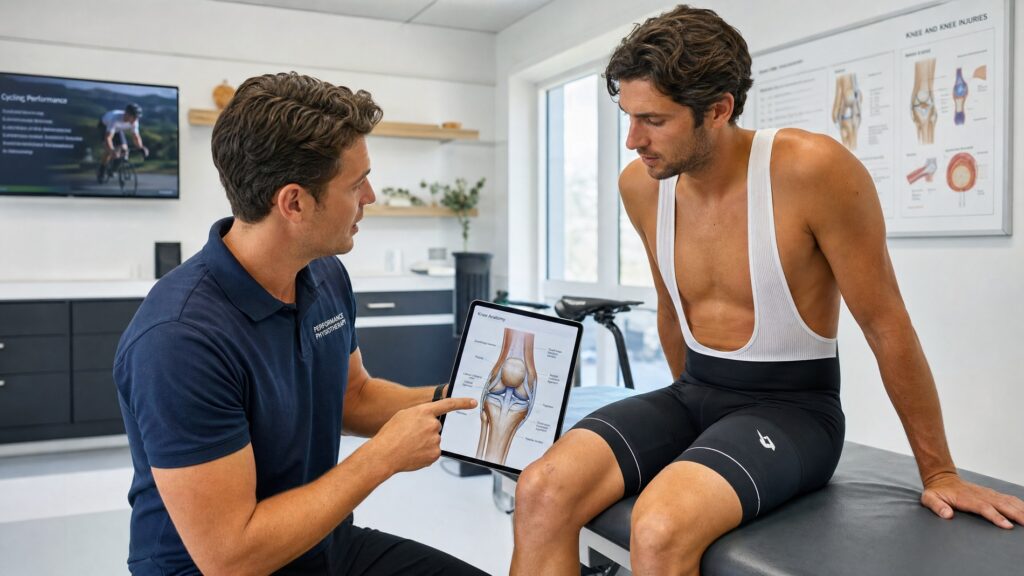
Cleat placement is a critical, yet often overlooked, aspect of biomechanics. Incorrectly positioned cleats can force the knee to track unnaturally, leading to severe pain over time. Professional fitters use laser alignment tools to ensure that the cleat position matches the natural rotation of the rider’s foot. If you are experiencing persistent knee pain, evaluating your cleat setup should be a priority. For those interested in the latest footwear technology that aids in proper alignment, check out our post on Cycling Shoes and Cleat Technology Innovations 2026.
Strength Training for Cyclists
While cycling builds incredible cardiovascular endurance and lower body strength, it neglects several key muscle groups. To prevent injuries, cyclists must incorporate off-the-bike strength training into their routines. Focusing on the core, glutes, and hamstrings is essential. A strong core stabilizes the pelvis and spine, providing a solid foundation for the legs to generate power. Exercises like planks, Russian twists, and bird-dogs are highly effective for building this necessary stability.
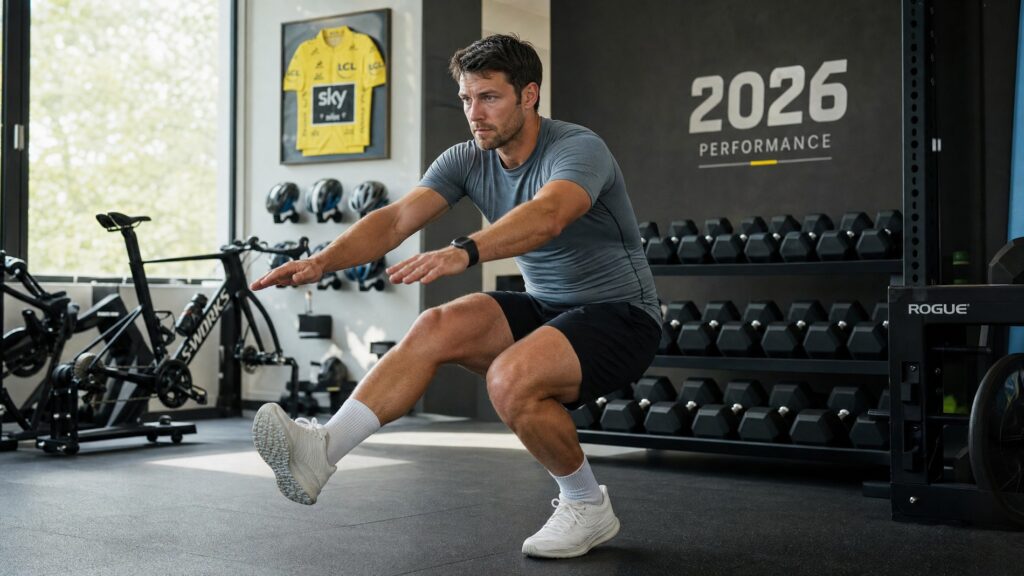
Furthermore, addressing the muscle imbalances caused by cycling is crucial. Cyclists tend to have dominant quadriceps and tight hip flexors, while their glutes and hamstrings remain relatively weak. Incorporating exercises such as squats, deadlifts, and lunges can help balance the musculature of the legs. Single-leg exercises are particularly beneficial, as they mimic the unilateral nature of pedaling and help identify and correct strength discrepancies between the left and right sides. For a comprehensive look at how to structure a training plan, TrainingPeaks offers excellent resources on strength training for cyclists.
Recovery and Flexibility Protocols
Injury prevention does not stop when you get off the bike; recovery is a vital component of the process. Active recovery, such as light spinning or swimming, helps flush metabolic waste from the muscles and promotes blood flow. In 2026, the use of recovery technology, including pneumatic compression boots and percussive massage devices, has become mainstream. These tools accelerate muscle repair and reduce delayed onset muscle soreness (DOMS). For more on this topic, explore our article on Cycling Recovery and Muscle Regeneration 2026.
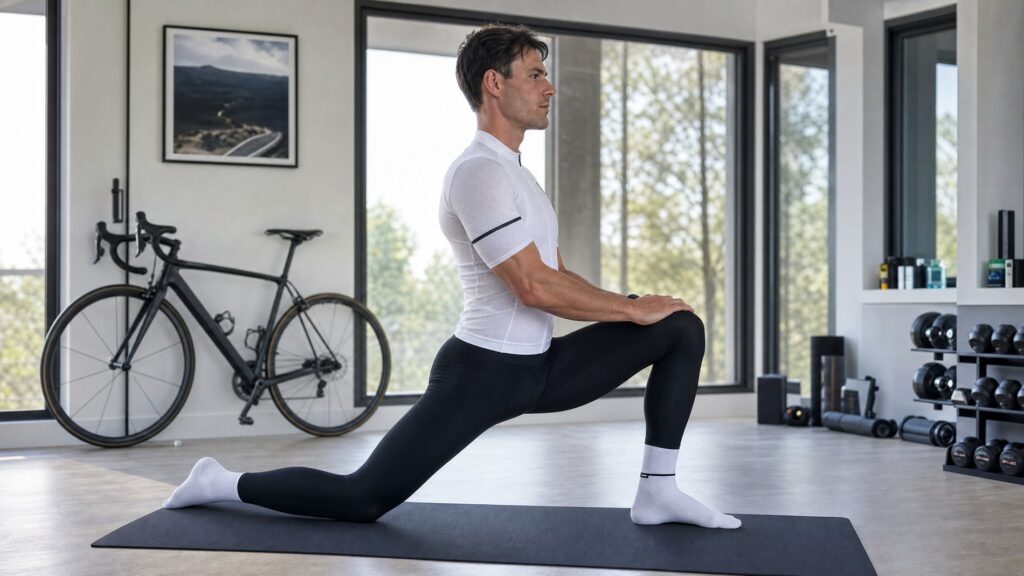
Flexibility and mobility work are equally important. The hunched posture of cycling leads to tight chest muscles, rounded shoulders, and shortened hip flexors. Incorporating a regular stretching or yoga routine can counteract these effects. Focus on opening up the chest, stretching the hip flexors, and lengthening the hamstrings and calves. Consistent mobility work not only prevents injuries but also improves your aerodynamic position on the bike by allowing you to comfortably maintain a lower profile.
Conclusion: A Proactive Approach
Preventing cycling injuries requires a proactive and multifaceted approach. By understanding the common causes of pain, investing in a professional biomechanical bike fit, and committing to regular strength and flexibility training, you can safeguard your body against the rigors of the sport. Remember that pain is your body’s warning system; ignoring it will only lead to more severe issues down the road.
As you implement these strategies, listen to your body and adjust your training load accordingly. Rest days are just as important as hard training days. By prioritizing your physical health off the bike, you will ensure that you can continue to enjoy the ride, push your limits, and achieve your cycling goals for years to come. For further reading on maintaining a healthy cycling lifestyle, Bicycling Magazine’s injury prevention guide is a highly recommended resource.