Introduction to 2026 Bike Wheel Technology
The landscape of cycling is constantly evolving, and 2026 brings some of the most exciting advancements in bike wheel technology we have seen in years. Whether you are a competitive racer or a weekend enthusiast, upgrading your wheelset is often considered the single most effective way to improve your bike’s performance. Modern aerodynamic rim designs are pushing the boundaries of speed, stability, and comfort. In this comprehensive guide, we will explore the latest innovations in rim depth, spoke count, aerodynamic testing, and tubeless compatibility that are defining the best road bike wheels of 2026.
Understanding these technological leaps is crucial for making an informed decision when investing in new gear. Manufacturers are no longer just focusing on making wheels lighter; they are engineering them to be smarter. By leveraging advanced computational fluid dynamics (CFD) and extensive wind tunnel testing, brands are creating wheels that slice through the air with unprecedented efficiency. Furthermore, the integration of wider internal rim widths is revolutionizing how tires interact with the road, offering a smoother and faster ride.
The Evolution of Aerodynamic Rim Design
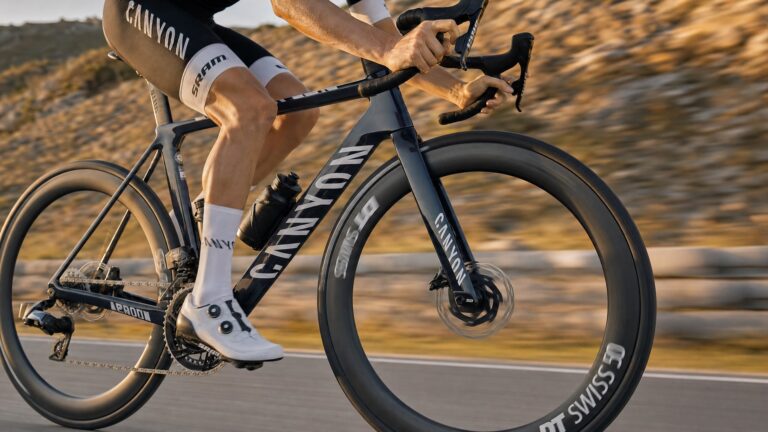
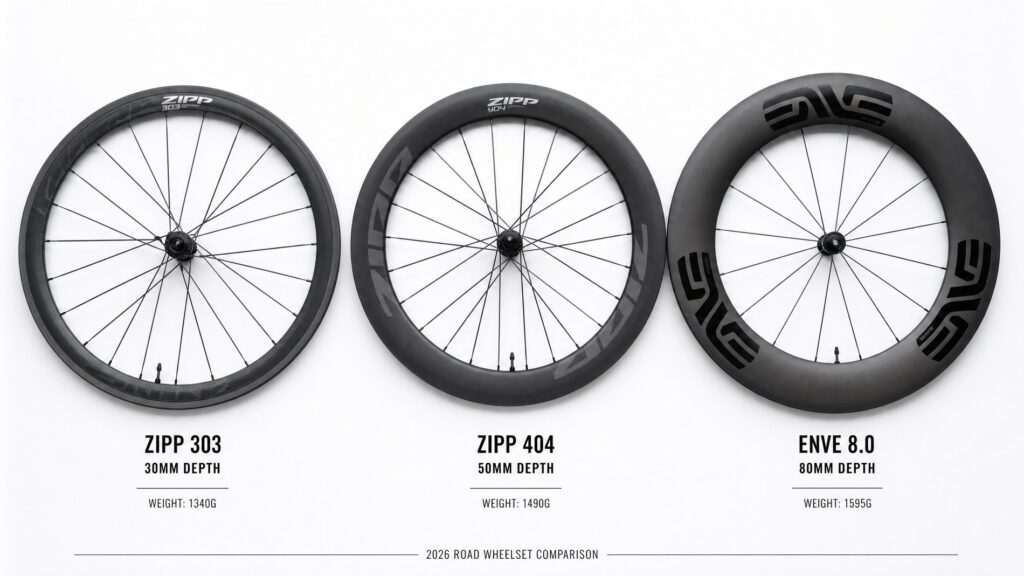
Aerodynamics remains the holy grail of wheel design. In 2026, the focus has shifted from simple V-shaped rims to complex U-shaped and toroidal profiles. These modern shapes are designed to manage airflow not just at the leading edge of the tire, but also at the trailing edge of the rim. This dual-focus approach significantly reduces aerodynamic drag and improves stability in crosswinds, a common issue with older deep-section wheels. Consequently, riders can maintain higher speeds with less effort, even in challenging weather conditions.
Rim depth plays a pivotal role in a wheel’s aerodynamic performance. Shallow rims (under 35mm) are incredibly light and agile, making them ideal for steep climbs and rapid accelerations. Mid-depth rims (35mm to 50mm) offer the perfect balance of aerodynamics and handling, serving as the go-to choice for most all-around riders. Deep-section rims (over 50mm) provide maximum aerodynamic benefits, perfect for time trials and flat, fast road races. Choosing the right depth depends entirely on your primary riding terrain and personal goals.
For those looking to dive deeper into how gear choices affect performance, checking out our guide on Bike Gearing and Cassette Technology 2026 can provide valuable insights into optimizing your entire drivetrain.
Spoke Count and Hub Innovations
While the rim often steals the spotlight, the spokes and hubs are the unsung heroes of a high-performance wheelset. In 2026, we are seeing a trend towards lower spoke counts without sacrificing strength or stiffness. This is achieved through the use of advanced materials like carbon fiber spokes, which are significantly lighter and stiffer than traditional steel spokes. Fewer spokes mean less aerodynamic drag, contributing to the overall speed of the wheel.
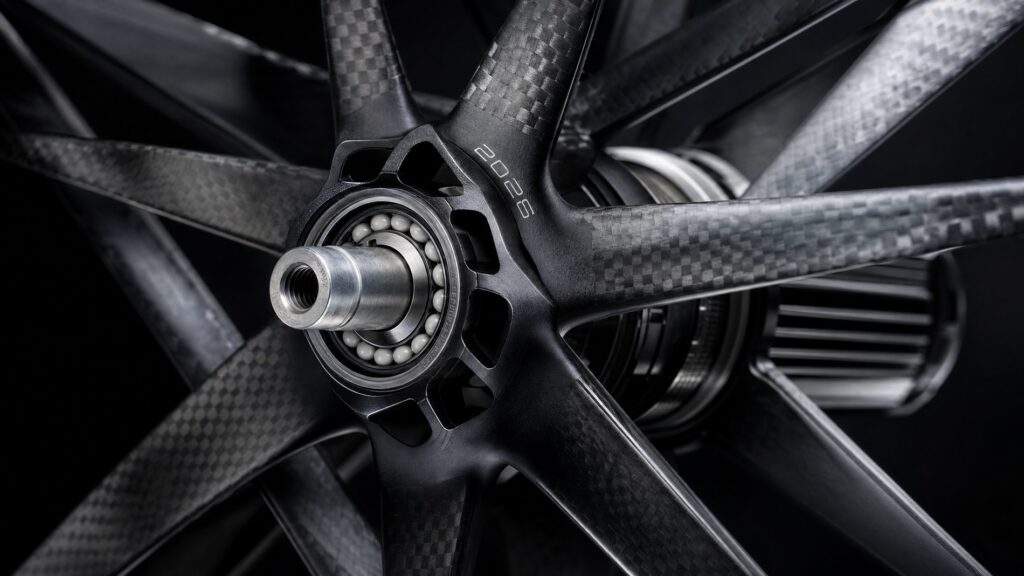
Hub technology has also seen remarkable advancements. Modern hubs feature precision-engineered ceramic bearings that drastically reduce rolling resistance. Additionally, the engagement systems within the freehub have become faster and more reliable, ensuring that every watt of power you generate is instantly transferred to the road. Some premium wheelsets even incorporate 3D-printed titanium components to shave off precious grams while maintaining structural integrity.
To understand how these marginal gains add up, you might want to read about Cycling Cadence and Pedaling Mechanics 2026, which explains how efficient power delivery starts with the rider.
Wind Tunnel Testing and CFD
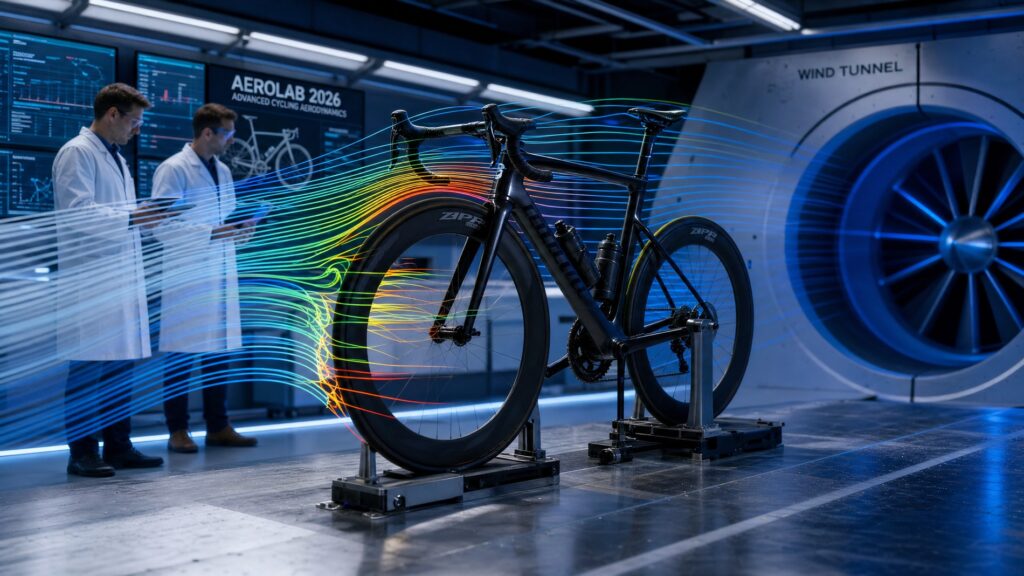
The development of 2026’s top-tier wheels relies heavily on rigorous testing protocols. Computational Fluid Dynamics (CFD) allows engineers to simulate how air flows over a wheel design in a virtual environment. This software can test thousands of variations in a fraction of the time it would take to build physical prototypes. Once a design shows promise in CFD, it is brought to life and subjected to extensive wind tunnel testing.
Wind tunnels provide real-world validation of the aerodynamic claims made by CFD. Engineers test wheels at various yaw angles (the angle at which the wind hits the wheel) to ensure they perform well in realistic outdoor conditions, not just in a straight headwind. This meticulous testing process is what separates premium wheelsets from budget alternatives. For an in-depth look at how top brands test their wheels, BikeRadar’s guide to the best road bike wheels offers excellent expert analysis.
The Tubeless Revolution Continues
Tubeless technology is no longer a niche trend; it is the standard for high-performance road cycling in 2026. The benefits are undeniable: lower rolling resistance, increased comfort, and a significantly reduced risk of pinch flats. Modern rims are designed with wider internal widths, often 23mm or more, which perfectly accommodate wider tires (28mm to 32mm). This combination allows riders to run lower tire pressures, resulting in a smoother ride that absorbs road vibrations without sacrificing speed.
Furthermore, the transition to hookless rim designs is gaining momentum. Hookless rims are lighter, cheaper to manufacture, and create a more seamless aerodynamic transition between the tire and the rim. However, they require specific tubeless-compatible tires. If you are considering making the switch, it is essential to ensure your tires and rims are a perfect match. For more tips on maintaining your setup, our article on Bike Cleaning and Maintenance Products 2026 is a great resource.
Conclusion: Choosing Your Perfect Wheelset
Selecting the right wheelset in 2026 involves balancing aerodynamics, weight, stiffness, and budget. If your primary goal is outright speed on flat terrain, a deep-section aerodynamic wheelset is the clear choice. Conversely, if you spend your weekends conquering steep mountain passes, a lightweight, shallow-rim wheelset will serve you best. For the majority of riders, a mid-depth wheelset offers the ultimate versatility, performing admirably in almost any scenario.
Remember that upgrading your wheels is an investment in your cycling experience. The technologies we have discussed—advanced rim profiles, carbon spokes, ceramic bearings, and tubeless compatibility—all work together to make you faster and more comfortable. As you explore the options available, consider how each feature aligns with your specific riding style. For further reading on how technology is shaping the future of cycling, check out Cyclingnews’ comprehensive wheel reviews and Bicycling Magazine’s wheel buying guide.
By staying informed about the latest trends and understanding the science behind the speed, you can confidently choose a wheelset that will elevate your performance and enjoyment on the road for years to come.