Mastering Cycling Cadence and Pedaling Mechanics in 2026
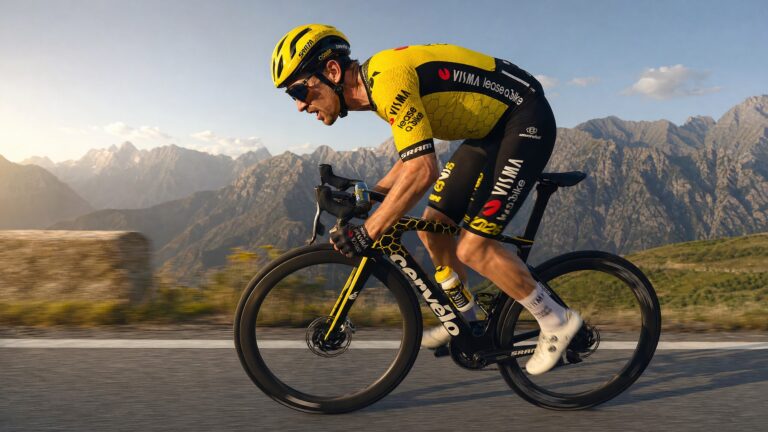
Cycling cadence, simply defined as the number of revolutions your pedals make per minute (RPM), is a fundamental metric for any serious rider. In 2026, our understanding of cycling cadence and pedaling mechanics has evolved significantly. It is no longer just about spinning fast; it is about finding the optimal balance between muscular force and cardiovascular efficiency. Whether you are tackling a grueling alpine ascent or sprinting for a town sign, mastering your cadence is key to unlocking your full potential.
Historically, cyclists were often told to aim for a universal “magic number” of 90 RPM. However, modern sports science reveals that optimal cadence is highly individual and situational. Therefore, developing a smooth, efficient pedal stroke across a range of cadences is more important than rigidly adhering to a single target. Let us delve into the science of pedaling and how you can refine your technique.
The Science of Optimal RPM
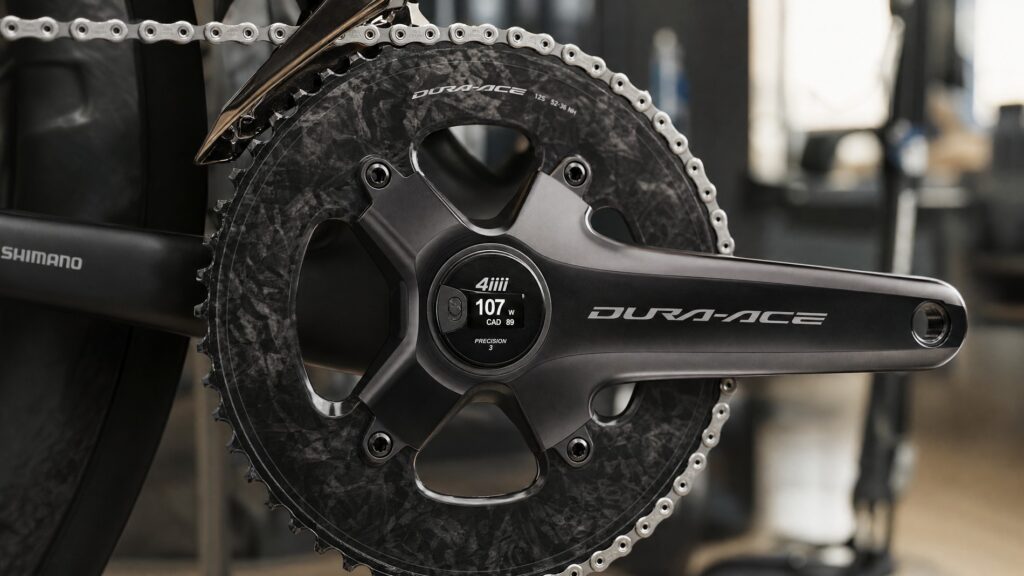
The debate between high and low cadence centers on how your body produces power. Low cadences (typically 60-80 RPM) require more muscular force per pedal stroke. This relies heavily on fast-twitch muscle fibers, which fatigue quickly and consume more glycogen. Conversely, high cadences (90+ RPM) shift the burden to your cardiovascular system and slow-twitch muscle fibers, which are highly fatigue-resistant. As noted by ROUVY’s optimal RPM guide, finding your sweet spot involves balancing these two energy systems.
Interestingly, studies show that while lower cadences are metabolically more efficient (burning fewer calories for the same power output), they limit your ability to generate high peak power. Therefore, professional racers often sustain cadences above 95 RPM to ensure they can respond instantly to attacks. When analyzing your data through cycling apps and training software, you will likely notice that your most powerful efforts naturally occur at higher RPMs.
Biomechanics and Injury Prevention
Proper pedaling mechanics are crucial not only for performance but also for injury prevention. Grinding a heavy gear at a low cadence places immense stress on the knee joints, specifically the patellofemoral joint. Over time, this can lead to overuse injuries. By maintaining a higher, smoother cadence, you reduce the peak force applied to the joints during each revolution. This is a key principle highlighted in Hincapie’s guide to cycling cadence.
Furthermore, modern biomechanical analysis emphasizes the importance of the entire pedal stroke. The traditional “push down and pull up” advice is being refined. Elite riders, utilizing techniques like plantar flexion, focus on maintaining tension through the “dead spots” at the top and bottom of the stroke. This fluid motion minimizes power loss and maximizes efficiency. Ensuring your bike fit technology is dialed in is the first step to achieving this biomechanical ideal.

Cadence Drills for Improved Efficiency
Improving your cadence requires deliberate practice. Incorporating specific drills into your training routine can help rewire your neuromuscular pathways, making higher RPMs feel natural. One effective method is “Endurance Spinning,” where you intentionally ride 5-10 RPM above your comfortable cadence for extended periods. This trains your cardiovascular system to handle the increased demand.
Another valuable technique is “Isolated Leg Training.” By pedaling with only one leg on an indoor trainer, you quickly identify and correct dead spots in your stroke. This drill forces you to engage the hip flexors and hamstrings to pull the pedal through the top and bottom of the circle. Integrating these drills, perhaps while monitoring your output with cycling power meters, will yield noticeable improvements in your overall fluidity.
Adapting Cadence to Terrain
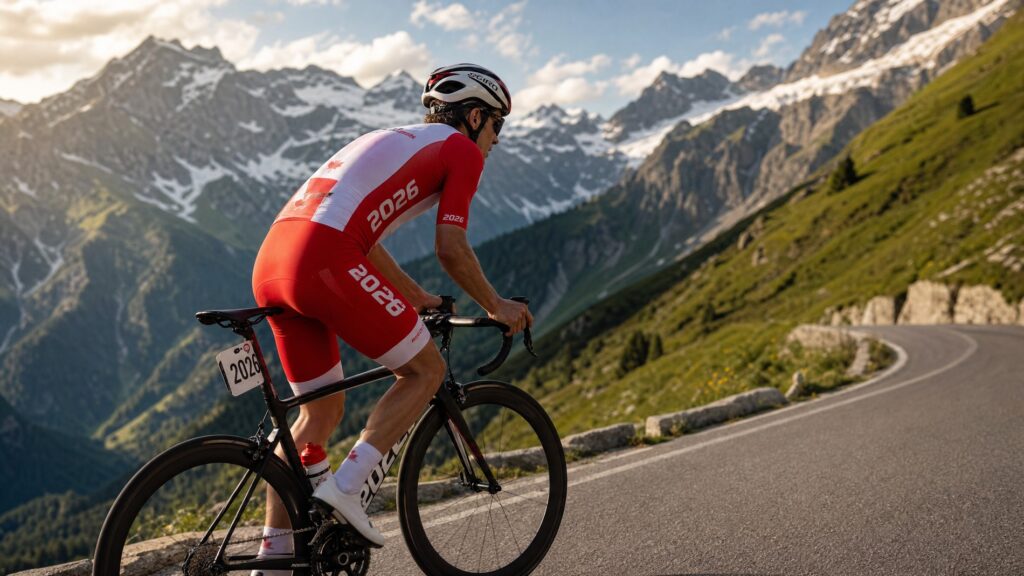
Your optimal cadence will naturally fluctuate based on the terrain. On flat roads, a steady, high cadence (90-100 RPM) is generally preferred for maintaining speed efficiently. However, when climbing steep gradients, your cadence will inevitably drop. The goal is to use your gearing to keep your RPM as close to your optimal range as possible, avoiding the dreaded “grind.”
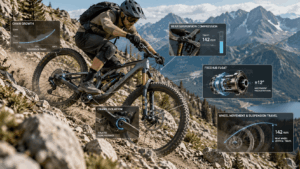
In technical mountain biking or gravel riding, cadence becomes even more dynamic. Short, punchy climbs require sudden bursts of high-torque, low-cadence power, while loose surfaces demand a smooth, consistent pedal stroke to maintain traction. Adapting your pedaling style to these varying conditions is a hallmark of an experienced cyclist, much like understanding the nuances of bike suspension technology.
Conclusion: Finding Your Rhythm
Mastering cycling cadence and pedaling mechanics is an ongoing journey. By understanding the interplay between muscular force and cardiovascular demand, you can train your body to perform more efficiently. Remember that there is no single perfect RPM; the goal is to develop a versatile, smooth pedal stroke that can adapt to any situation.
As you continue to train, utilize the data from your sensors to track your progress. Experiment with different cadences during your rides and pay attention to how your body responds. With consistent practice and a focus on proper mechanics, you will find your rhythm, ride faster, and enjoy your time in the saddle more than ever before.