The Evolution of Bike Brakes Technology in 2026
The landscape of cycling safety and performance is undergoing a massive transformation as we move deeper into 2026. Riders are no longer relying on traditional rim brakes or basic mechanical disc systems. Instead, the industry has fully embraced advanced bike brakes technology that offers unprecedented stopping power, modulation, and reliability. Whether you are descending a steep mountain trail or navigating busy urban streets, having the right braking system is crucial for both safety and confidence.
Furthermore, the shift towards heavier e-bikes and faster road bikes has necessitated a complete rethinking of how we stop. Engineers are pushing the boundaries of materials science and fluid dynamics to create systems that can handle immense heat and stress without fading. In this comprehensive guide, we will explore the latest innovations in hydraulic disc brakes, heat management, and the exciting emergence of electronic braking systems.
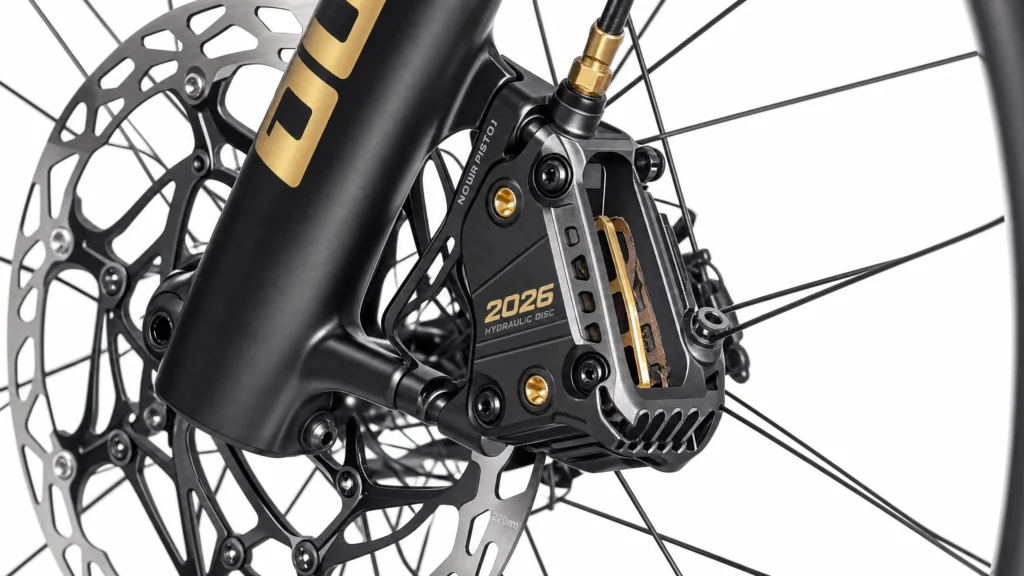
Hydraulic Disc Brakes: The New Standard
Hydraulic disc brakes have been around for years, but the iterations available in 2026 represent a significant leap forward. Unlike mechanical systems that rely on a steel cable, hydraulic brakes use a sealed fluid system to transfer force from the lever to the caliper. This design eliminates cable friction and stretch, resulting in a much smoother and more responsive feel at the lever.
Moreover, modern hydraulic systems offer superior modulation. Modulation refers to the rider’s ability to finely control the amount of braking force applied, rather than just having an “on/off” sensation. This is particularly important when riding on loose or slippery surfaces, where locking up a wheel can lead to a crash. Brands like Shimano and SRAM have refined their master cylinder designs to provide a progressive power curve, allowing riders to feather the brakes with incredible precision.
Another key advantage of hydraulic systems is their self-adjusting nature. As the brake pads wear down over time, the fluid in the reservoir automatically compensates, keeping the lever feel consistent. This means less maintenance and more time enjoying the ride. For those looking to upgrade, understanding the nuances of these systems is essential for maximizing performance.
Mastering Heat Dissipation
One of the biggest challenges in bike brakes technology is managing the intense heat generated during prolonged descents. When brake pads clamp down on a spinning rotor, kinetic energy is converted into thermal energy. If this heat is not effectively dissipated, it can cause the brake fluid to boil, leading to a terrifying phenomenon known as brake fade, where the lever pulls to the bar with little to no stopping power.
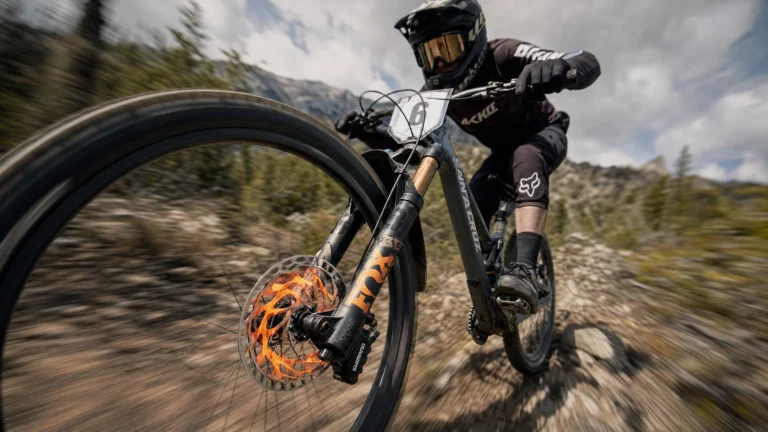
To combat this, manufacturers have introduced several innovative cooling solutions. Finned brake pads, for example, feature aluminum extensions that protrude from the caliper, acting as heat sinks to draw thermal energy away from the braking surface. Additionally, rotors have evolved significantly. The latest designs incorporate aluminum cores sandwiched between steel braking tracks, a construction that pulls heat away from the friction area much faster than solid steel rotors.
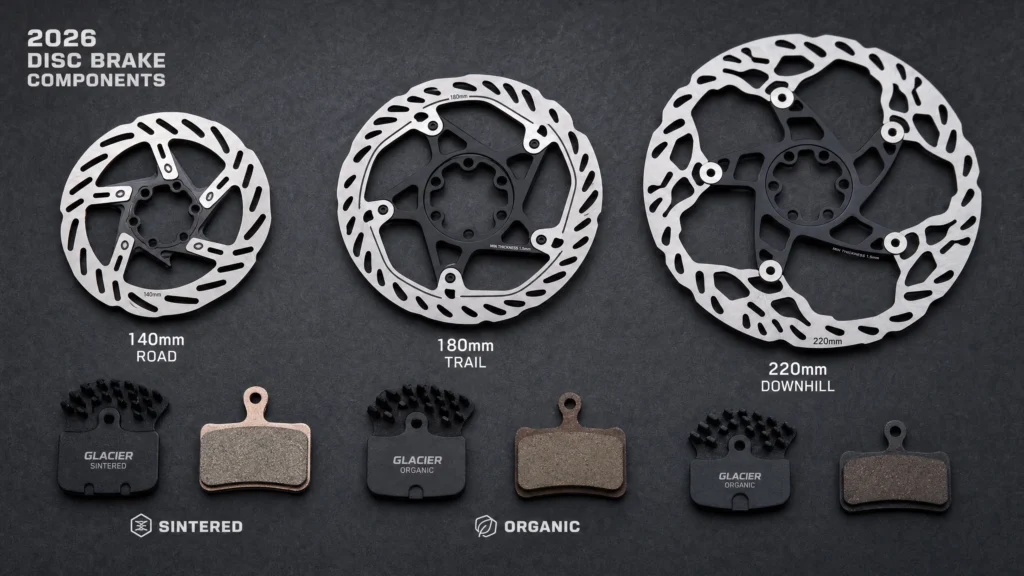
Rotor size also plays a critical role in heat management. While a 140mm rotor might be sufficient for a lightweight road bike, aggressive mountain bikers and e-bike riders are increasingly opting for massive 220mm rotors. These larger discs offer more surface area for cooling and provide greater mechanical leverage, meaning less lever force is required to achieve the same stopping power. According to experts at Singletracks, choosing the right rotor size is a balancing act between weight, modulation, and heat capacity.
The Rise of Electronic Braking Systems
Perhaps the most exciting development in 2026 is the introduction of electronic braking systems. Just as electronic shifting revolutionized drivetrains, brake-by-wire technology is poised to change how we stop. These systems replace the traditional hydraulic lines with wireless transmitters and electronic actuators located at the calipers.
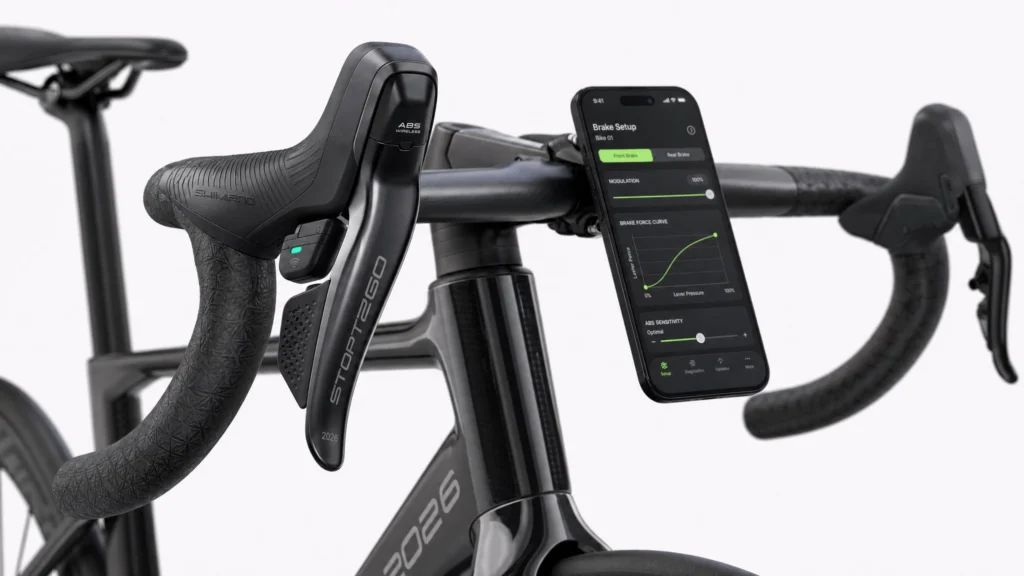
The benefits of electronic brakes are numerous. First, they allow for incredibly clean cockpit designs, completely eliminating the need for routing hoses through frames and handlebars. Second, they open the door to advanced software integration. Riders can use smartphone apps to customize their braking characteristics, adjusting the bite point, lever throw, and even the power curve to suit their specific preferences or trail conditions.
Furthermore, electronic systems enable the implementation of Anti-lock Braking Systems (ABS) for bicycles. By monitoring wheel speed sensors, the system can detect an impending lockup and rapidly pulse the braking force, maintaining traction and preventing over-the-bars accidents. Companies like Bosch have been pioneering e-bike ABS, and the technology is now becoming lighter and more refined for integration into high-end acoustic bikes.
Choosing the Right Brake Pads
Even the most advanced braking system is only as good as its pads. In 2026, riders have a variety of compound options, primarily categorized into organic (resin) and sintered (metallic) pads. Understanding the differences is key to optimizing your setup.
Organic pads are made from a mixture of fibers and organic materials bonded together with resin. They offer excellent initial bite, operate quietly, and bed in quickly. However, they tend to wear out faster in wet or muddy conditions and can glaze over if subjected to extreme heat. These are generally preferred for lighter riders or those who ride in dry, less demanding terrain.
Conversely, sintered pads are composed of hardened metallic ingredients. They excel in high-heat situations and provide consistent performance in wet and gritty conditions. While they may lack the immediate bite of organic pads and can be noisier, their durability and fade resistance make them the go-to choice for downhill racers and heavy e-bikes. For a deep dive into pad science, Mountain Bike Action offers excellent insights.
Maintenance and Upkeep
To ensure your bike brakes technology continues to perform flawlessly, regular maintenance is non-negotiable. Hydraulic systems require periodic bleeding to remove any trapped air bubbles, which can cause a spongy lever feel. The type of fluid used—either mineral oil or DOT fluid—depends on the manufacturer, and they are strictly incompatible.
Additionally, keeping your rotors and pads clean is vital. Contamination from chain lube, degreasers, or even oils from your skin can drastically reduce braking power and cause horrific squealing. Always use a dedicated disc brake cleaner or isopropyl alcohol when servicing your brakes. Regularly inspecting pad wear and rotor thickness will also prevent costly damage to your calipers.
Conclusion
The advancements in bike brakes technology for 2026 are truly remarkable. From the refined modulation of modern hydraulic systems to the cutting-edge integration of electronic brake-by-wire setups, riders have never had more control over their speed. By understanding the principles of heat dissipation, choosing the right components, and maintaining your system properly, you can ride with the confidence that you have the best stopping power available.
As you consider upgrading your ride, remember that brakes are the most critical safety component on your bicycle. Investing in high-quality technology not only enhances your performance but also ensures you can safely navigate whatever the trail or road throws your way. For more insights on cycling innovations, check out our guide on e-bike motor technology and stay ahead of the curve.