The Evolution of E-Bike Motor Technology in 2026
The landscape of electric cycling is undergoing a massive transformation as we move deeper into 2026. Riders are no longer relying on bulky, inefficient systems. Instead, the industry is embracing sleek, powerful, and highly intelligent e-bike motor technology. Whether you are commuting through urban environments or tackling steep mountain trails, understanding these advancements is crucial for maximizing your riding experience.
In recent years, the debate between hub motors and mid-drive systems has evolved significantly. While early e-bikes often featured heavy rear-hub motors, modern designs prioritize balance, efficiency, and natural ride feel. This shift is driven by a growing demand for bike commuting technology that seamlessly integrates into daily life. Today, we will explore the cutting-edge innovations defining e-bike power systems in 2026.
Mid-Drive vs. Hub Motors: The 2026 Standard
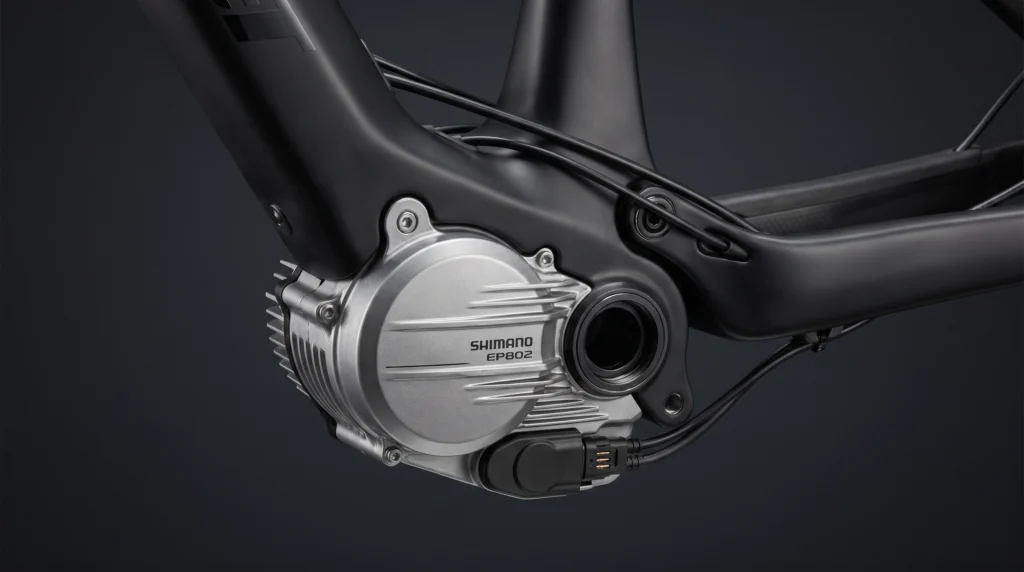
When evaluating e-bike motor technology in 2026, the distinction between mid-drive and hub motors remains a central consideration. Mid-drive motors, positioned at the bike’s bottom bracket, offer superior weight distribution and leverage the bicycle’s existing drivetrain. This allows the motor to operate at optimal RPMs, resulting in exceptional hill-climbing capabilities and increased battery efficiency. For riders navigating challenging terrain, mid-drive systems are the undisputed champions.
Conversely, hub motors are typically located in the rear wheel. They provide a direct push and operate independently of the bike’s gears. While they are generally more affordable and require less maintenance, they often struggle on steep inclines compared to their mid-drive counterparts. However, advancements in 2026 have seen hub motors become lighter and more responsive, making them a viable option for flat-terrain commuters. For a comprehensive breakdown of these differences, EVELO’s complete guide to electric bike motors offers excellent insights.
Furthermore, the integration of these motors into the frame has reached new heights. Manufacturers are designing frames that conceal the motor entirely, creating a clean, traditional bicycle aesthetic. This seamless integration not only improves aerodynamics but also protects the motor from environmental elements, ensuring longevity and consistent performance.
The Rise of Advanced Torque Sensors
One of the most significant leaps in e-bike motor technology for 2026 is the widespread adoption of advanced torque sensors. Unlike basic cadence sensors, which simply detect whether the pedals are turning, torque sensors measure the exact amount of force the rider is applying. This data is then used to deliver proportional motor assistance, creating a remarkably natural and intuitive riding experience.
When you pedal harder, the motor provides more power; when you ease off, the assistance decreases seamlessly. This dynamic response not only enhances the feel of the ride but also significantly improves battery efficiency. By only delivering power when it is truly needed, torque sensors extend the range of the e-bike, allowing for longer journeys without the anxiety of a depleted battery. This technology is particularly beneficial when combined with solid-state battery technology, which offers higher energy density and faster charging times.
Moreover, these sensors are becoming increasingly sophisticated, capable of taking thousands of measurements per second. This high-resolution data collection ensures that the motor responds instantaneously to changes in terrain or rider effort. The result is a ride that feels less like being pushed by a machine and more like having superhuman leg strength. For those interested in the technical specifications of these systems, E-Mountainbike Magazine’s motor comparison provides detailed analysis.
Integrated Battery Systems and Power Management
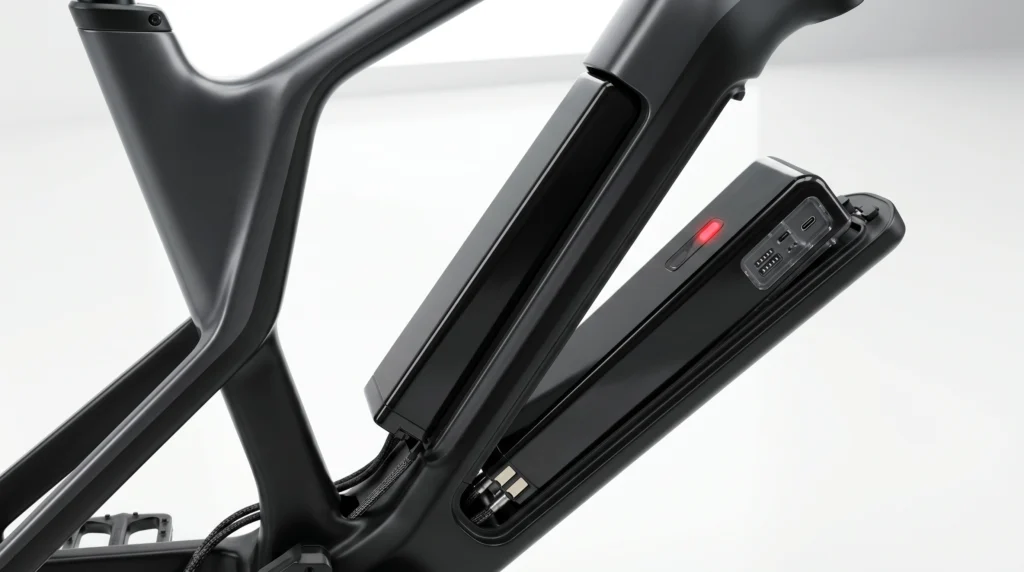
The evolution of e-bike motor technology is inextricably linked to advancements in battery systems. In 2026, the trend is overwhelmingly towards fully integrated batteries that sit flush within the downtube of the frame. This design not only improves the visual appeal of the bike but also lowers the center of gravity, enhancing handling and stability.
Beyond aesthetics, modern battery management systems (BMS) are smarter than ever. These systems actively monitor cell health, temperature, and power output to optimize performance and extend the lifespan of the battery. Additionally, many 2026 models feature modular battery designs, allowing riders to easily swap out depleted batteries for fully charged ones on the go. This flexibility is a game-changer for long-distance touring and heavy-duty commuting.
Furthermore, the charging infrastructure is evolving. Fast-charging capabilities are becoming standard, reducing downtime significantly. Some premium models even incorporate regenerative braking, which captures kinetic energy during deceleration and feeds it back into the battery. While the energy recovered is relatively small, it contributes to overall efficiency and extends the range slightly. To understand how these power systems integrate with other bike components, consider exploring carbon fiber frame manufacturing, which plays a crucial role in housing these advanced batteries.
Smart Connectivity and Customization
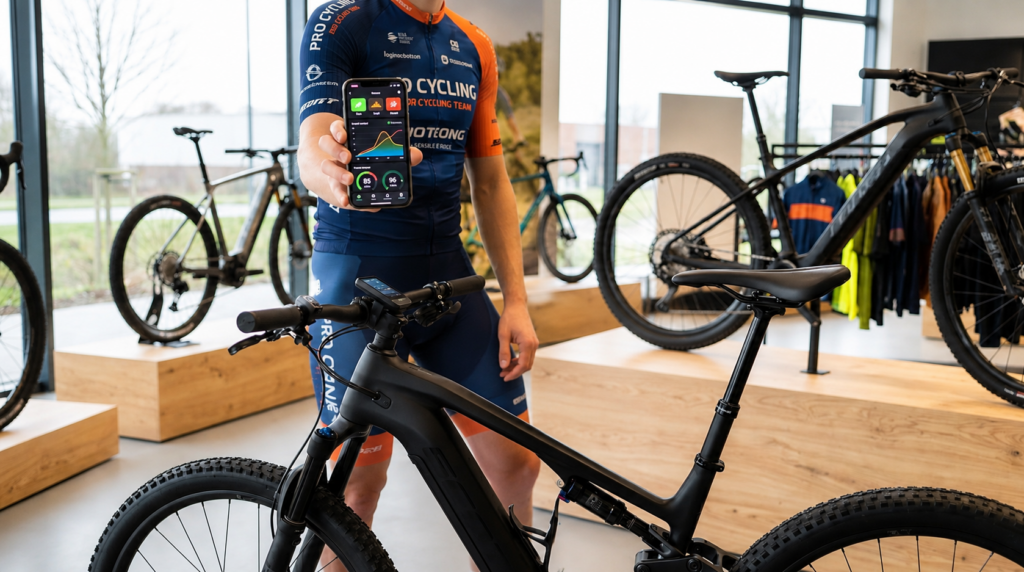
The modern e-bike is no longer just a mechanical device; it is a highly connected smart vehicle. In 2026, e-bike motor technology is deeply integrated with smartphone applications, offering unprecedented levels of customization and control. Riders can now fine-tune motor output, adjust assist levels, and monitor battery health directly from their phones.
These companion apps provide detailed analytics, including power output graphs, estimated range based on current riding conditions, and even GPS navigation. Some systems allow riders to create custom riding profiles tailored to specific routes or fitness goals. For example, a commuter might prioritize battery efficiency for the journey to work, while a mountain biker might maximize torque for steep climbs. This level of personalization ensures that the e-bike adapts to the rider, rather than the other way around. For more information on how connectivity is shaping the industry, Bicycling’s look at the future of e-bike technology is highly recommended.
Additionally, smart connectivity enhances security. Many 2026 e-bikes feature integrated GPS tracking and remote locking capabilities, providing peace of mind against theft. Over-the-air (OTA) software updates ensure that the motor system is always running the latest firmware, improving performance and adding new features long after the initial purchase. This connectivity also extends to safety features, such as integration with bike theft prevention and GPS tracking systems.
The Future of E-Bike Power Systems
As we look ahead, the trajectory of e-bike motor technology is clear: systems will continue to become lighter, more powerful, and increasingly intelligent. The integration of artificial intelligence (AI) is on the horizon, promising motors that can learn a rider’s habits and automatically adjust assistance levels in real-time. This predictive capability will further blur the line between human effort and mechanical assistance.
Furthermore, advancements in materials science will lead to more efficient motor designs, reducing heat generation and improving overall durability. The push for sustainability will also drive innovation in recyclable battery technologies and eco-friendly manufacturing processes. The e-bike of the future will not only be a high-performance machine but also a responsible choice for urban mobility and outdoor recreation.
In conclusion, the e-bike motor technology of 2026 represents a significant leap forward in cycling innovation. From the refined power delivery of mid-drive systems to the intuitive response of advanced torque sensors, these advancements are redefining what is possible on two wheels. Whether you are a seasoned cyclist or a daily commuter, embracing these technologies will undoubtedly elevate your riding experience. For further reading on the latest trends, check out Crazy Lenny’s E-Bikes design trends and Cycling Electric’s technology innovations.