The Rising Challenge of Urban Bike Theft in 2026
As the popularity of high-value e-bikes and premium commuter bicycles continues to soar, the unfortunate reality of urban bike theft has escalated alongside it. In 2026, theft rates in major metropolitan areas have spiked by nearly 30% compared to previous years. Thieves are increasingly targeting these expensive machines for their powerful motors, long-range batteries, and lucrative resale value on the black market. Consequently, traditional security measures are no longer sufficient to protect a rider’s investment, prompting a rapid evolution in bike theft prevention technology.
The modern approach to bicycle security requires a comprehensive, layered strategy. Relying solely on a single lock, no matter how robust, leaves a bike vulnerable to determined thieves equipped with portable angle grinders. Today’s riders must combine physical deterrents with advanced digital tracking systems to ensure maximum protection. This multi-faceted defense not only deters opportunistic theft but also significantly increases the chances of recovery should the worst occur.
The Power of GPS Tracking and Recovery
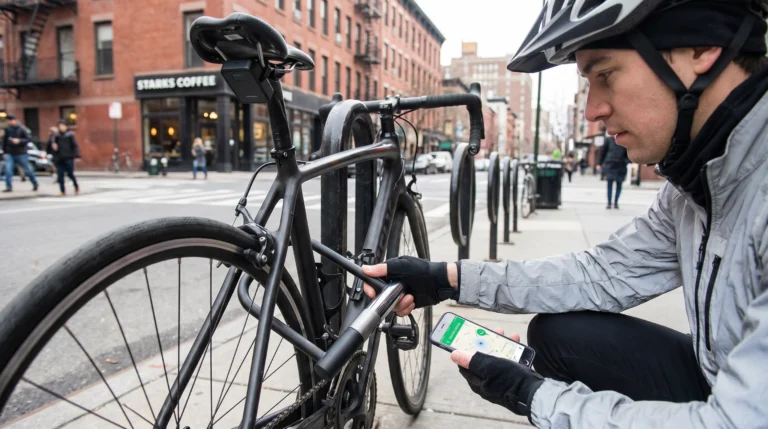
One of the most significant advancements in 2026 is the widespread adoption of GPS tracking devices specifically designed for bicycles. Statistics show that utilizing a GPS tracker for bikes increases the likelihood of recovering a stolen bicycle by up to ten times. These compact, discreet devices can be hidden within the frame, under the saddle, or even disguised as a standard stem cap, making them virtually undetectable to thieves.
While traditional cellular GPS trackers offer real-time location updates and independent connectivity, they often require monthly subscription fees and frequent charging. However, the integration of crowdsourced tracking networks, such as Apple’s Find My ecosystem, has revolutionized the market. Devices leveraging these networks provide highly accurate location data without ongoing costs, utilizing the millions of smartphones around the world to anonymously ping the bike’s location. This technology is particularly effective in dense urban environments where a cycling power meter or expensive e-bike might be quickly moved and hidden.
Smart Locks and Biometric Security
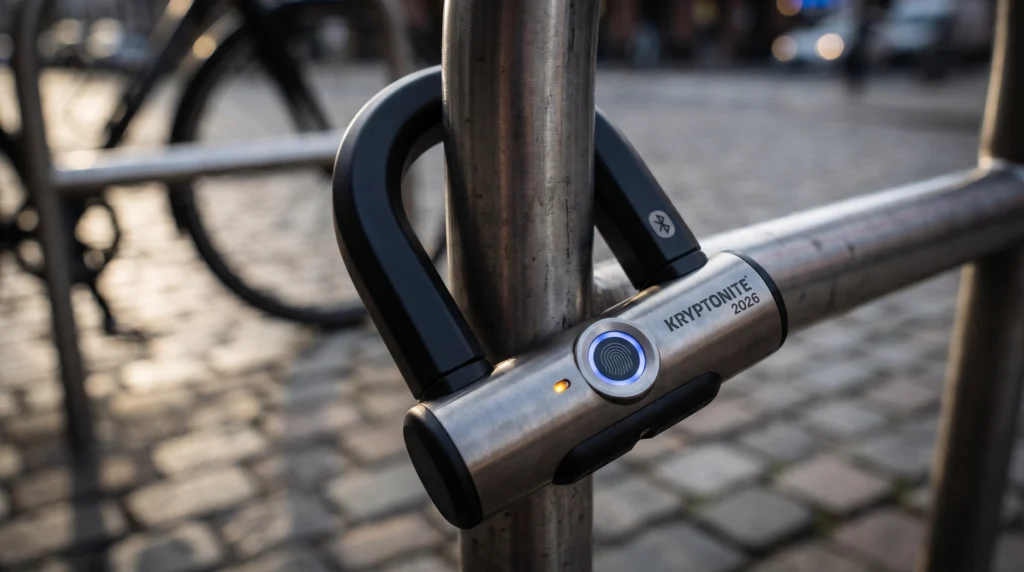
Physical security remains the foundation of any anti-theft strategy, but the locks themselves have become significantly smarter. The traditional key-and-tumbler mechanism is being rapidly replaced by smart bicycle locks that utilize Bluetooth connectivity and biometric sensors. Riders can now secure and unlock their bikes using a fingerprint scan or simply by approaching the bike with their paired smartphone, eliminating the need to carry easily lost keys.
Beyond convenience, these smart locks offer enhanced security features. Many models incorporate built-in motion sensors that trigger ear-piercing 120dB alarms if the bike is tampered with. This audible deterrent is often enough to send a thief running before they can deploy their tools. Furthermore, the materials used in these locks have evolved to resist modern cutting equipment. High-end U-locks now feature ceramic armor and hardened steel shackles that can destroy angle grinder discs in minutes, providing crucial time for the owner to respond to an alert.
Geofencing and App Integration
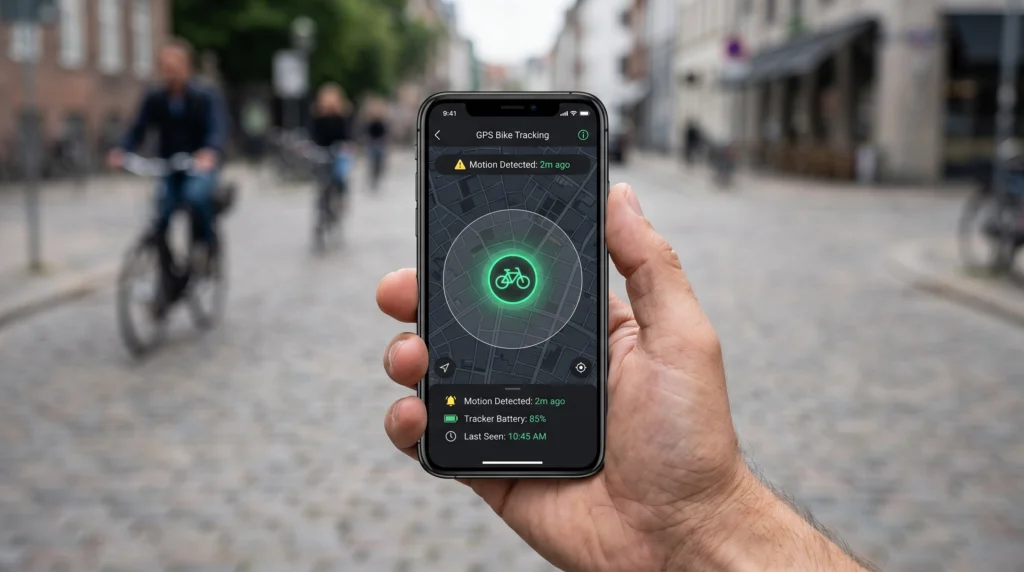
The true power of 2026 security technology lies in its seamless integration with smartphone applications. Companion apps serve as a centralized command center for a rider’s security ecosystem. Through these interfaces, users can establish virtual perimeters, known as geofences, around their parked bicycle. If the bike moves outside this designated area, the app immediately sends a push notification to the owner’s device, allowing for a rapid response.
This level of connectivity is particularly valuable for e-bike owners. Many modern e-bikes integrate their security systems directly into the bike’s motor controller and cycling training software. If a theft is detected, the owner can remotely disable the motor, rendering the bike useless to the thief and significantly reducing its resale value. Additionally, these apps often record the bike’s last known location and battery status, providing crucial information to law enforcement during recovery efforts.
Layered Security for High-Value E-Bikes
When protecting premium models, such as full-suspension mountain e-bikes or heavy-duty cargo haulers, a single security measure is never enough. Experts recommend a layered approach that combines multiple deterrents to create a formidable defense. This strategy is essential for riders who frequently park in high-risk urban areas or leave their bikes unattended for extended periods.
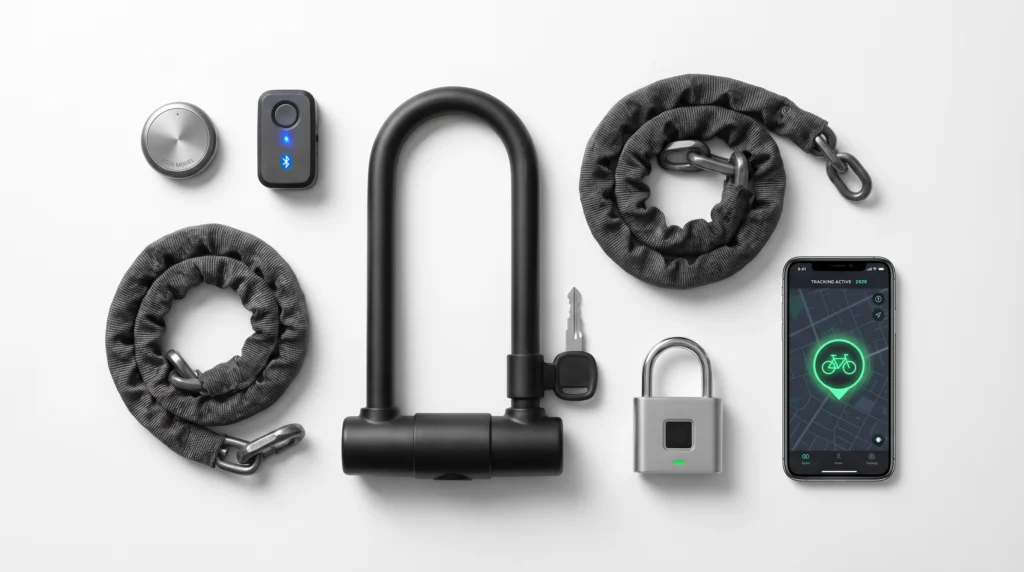
A comprehensive e-bike anti-theft solution might include a primary U-lock securing the frame to an immovable object, a secondary hardened steel chain protecting the wheels, a hidden GPS tracker for recovery, and a motion-activated alarm to draw attention. For cargo bikes with visible loads, securing the accessories and battery is equally important. Utilizing essential bike maintenance practices, such as replacing quick-release skewers with locking skewers, further hardens the target against opportunistic component theft.
The Role of Insurance and Registration
Despite the best preventative measures, no security system is entirely foolproof. Therefore, comprehensive bicycle insurance has become a critical component of ownership in 2026. Specialized policies now cover not only theft but also accidental damage, personal liability, and even the cost of a rental bike while a claim is being processed. Many insurers offer discounted premiums for riders who utilize approved bicycle anti-theft GPS devices and Sold Secure Diamond-rated locks.
Furthermore, registering a bicycle with national databases and local law enforcement significantly aids in recovery. These registries allow police to quickly identify the rightful owner of a recovered bike and return it promptly. When combined with the precise location data provided by a modern invisible bike security system, the chances of a successful reunion are higher than ever before.
Empowering Cyclists Through Technology
The landscape of bike security has fundamentally shifted from passive resistance to active defense. The innovations of 2026 empower cyclists to protect their investments with unprecedented efficacy. By embracing a combination of robust physical locks, intelligent alarms, and sophisticated tracking networks, riders can navigate urban environments with confidence and peace of mind.
Ultimately, the goal of these technologies is not just to prevent theft, but to foster a safer, more encouraging environment for cycling as a primary mode of transportation. As we continue to see advancements in solid-state battery technology and smart city integration, the security ecosystem will undoubtedly evolve alongside them. By staying informed and investing in the right protective measures, cyclists can ensure that their rides remain exactly where they left them, ready for the next journey.