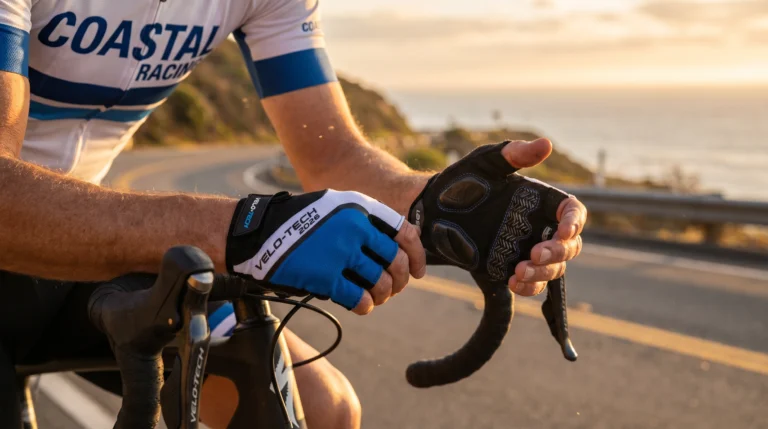
Your hands are one of three critical contact points between your body and your bike. Yet cycling gloves are often overlooked in discussions about performance technology. In 2026, this is changing dramatically. Hand protection technology has evolved from simple padding to sophisticated systems incorporating advanced materials, ergonomic design, and vibration-absorbing innovations that directly impact comfort, control, and safety.
Whether you’re riding a road bike, gravel bike, or mountain bike, the right gloves can transform your experience. Modern cycling gloves do far more than protect your hands from crashes—they reduce fatigue, improve grip, absorb road vibration, and provide data-driven feedback about your riding. Understanding the technology behind contemporary cycling gloves helps you make informed choices about this often-underestimated piece of equipment.
The Evolution of Cycling Glove Technology
Cycling gloves have undergone remarkable transformation over the past decade. What was once simple leather padding has evolved into sophisticated engineered systems designed for specific riding disciplines and conditions.
From Basic Padding to Multi-Zone Protection
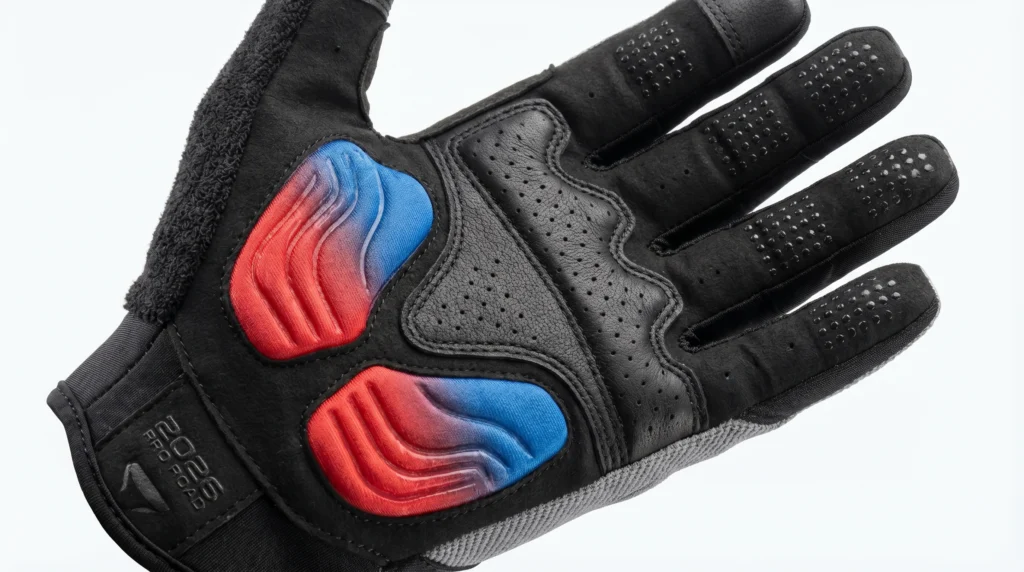
Early cycling gloves featured uniform padding across the palm. Modern designs employ multi-zone padding strategies that target specific pressure points and nerve areas. The ulnar nerve, which runs along the pinky side of your hand, is particularly vulnerable to compression during long rides. Contemporary gloves feature specialized padding in this area to prevent numbness and nerve damage.
Similarly, the heel of the palm—where most pressure concentrates during riding—receives enhanced gel or foam padding. Meanwhile, areas requiring dexterity and feel receive minimal padding, maintaining sensitivity for precise bike control. This targeted approach represents a significant advancement in ergonomic design.
Advanced Materials and Breathability
Modern cycling gloves utilize materials that were unavailable just a few years ago. Premium gloves combine:
- Perforated leather: Provides durability and grip while allowing airflow
- Moisture-wicking fabrics: Keep hands dry during intense efforts
- Gel padding compounds: Absorb impact and vibration more effectively than traditional foam
- Silicone grip zones: Provide superior handlebar grip in wet conditions
- Breathable mesh panels: Enhance ventilation without sacrificing protection
These material innovations mean you can now find gloves that are simultaneously protective, breathable, and lightweight—a combination that was nearly impossible to achieve just five years ago.
Vibration Absorption and Nerve Protection
One of the most significant advances in cycling glove technology is improved vibration absorption. Road vibration—transmitted through your bike’s frame, fork, and handlebars—can cause hand numbness, tingling, and long-term nerve damage if not properly managed.
How Vibration Affects Your Hands
During a typical road ride, your hands experience thousands of micro-vibrations from road surface imperfections. Over time, these vibrations can compress the nerves in your hands, leading to conditions like ulnar tunnel syndrome or radial nerve compression. Serious cyclists who log high mileage are particularly vulnerable.
Quality cycling gloves reduce this vibration transmission through strategic padding placement and material selection. The best gloves can reduce harmful vibration by 30-50%, significantly reducing fatigue and the risk of long-term nerve damage.
Gel Padding Technology
Premium 2026 cycling gloves feature multi-layer gel padding systems that absorb vibration more effectively than traditional foam. These gel compounds are engineered to:
- Absorb impact energy across a broader frequency range
- Maintain cushioning even after thousands of miles
- Provide consistent performance in various temperatures
- Distribute pressure evenly across the palm
This technology is particularly important for riders tackling rough surfaces. If you frequently ride on challenging terrain, our guide on gravel bike suspension technology and aero trends provides complementary information about managing vibration across your entire bike.
Grip Technology and Handlebar Control
Superior grip is fundamental to cycling safety and performance. Modern cycling gloves employ sophisticated grip technologies that work in various conditions:
Silicone Grip Patterns
Contemporary gloves feature strategically placed silicone dots or patterns on the palm and fingers. These patterns:
- Provide superior grip even in wet conditions
- Reduce hand slipping during intense efforts
- Improve tactile feedback from the handlebars
- Maintain grip consistency as sweat accumulates
The placement of these grip zones is crucial. Premium gloves concentrate grip material where you actually grip the bars—typically the palm heel and lower fingers—while leaving upper palm and finger areas less textured for better feel and control.
Leather vs. Synthetic Materials
High-quality cycling gloves typically use premium leather for the palm, which offers:
- Natural grip properties that improve with use
- Durability that outlasts synthetic alternatives
- Breathability that prevents excessive sweating
- Comfort that improves as the glove breaks in
Synthetic materials have improved dramatically, but genuine leather remains the gold standard for serious cyclists. The investment in leather gloves pays dividends through superior performance and longevity.
Specialized Glove Types for Different Disciplines
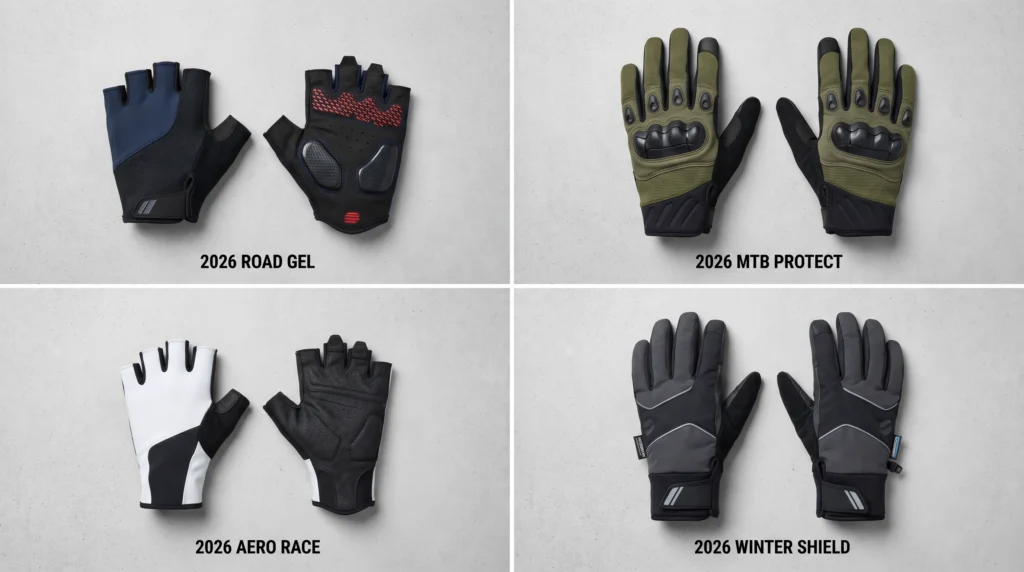
In 2026, cycling gloves are increasingly specialized for specific riding styles:
Road Cycling Mitts
Fingerless road cycling mitts prioritize minimal weight and maximum feel. They typically feature:
- Minimal padding for maximum bar feedback
- Lightweight construction for minimal weight penalty
- Gel padding concentrated in high-pressure zones
- Quick-dry materials for wet weather
Road mitts are ideal for riders prioritizing speed and performance. The fingerless design allows easy access to brake levers and shifters while maintaining protection for the most vulnerable palm area.
Mountain Bike Gloves
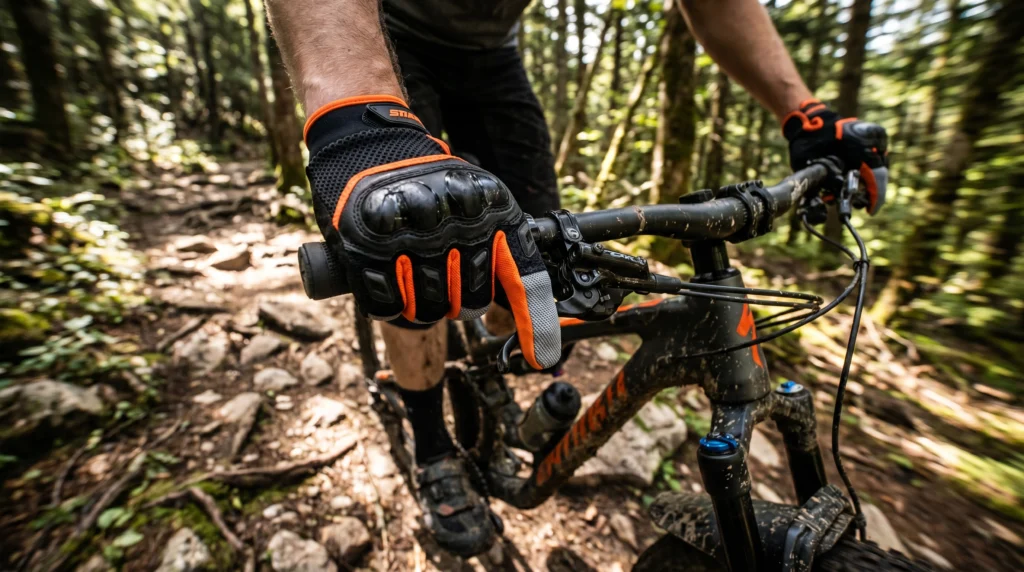
Full-finger mountain bike gloves provide comprehensive protection for off-road riding. Modern MTB gloves include:
- Hard-shell knuckle protection against impacts
- Reinforced palm padding for aggressive terrain
- Touchscreen-compatible fingertips for smartphone access
- Ventilation panels for temperature regulation
The knuckle protection is particularly important for technical mountain biking where hand impacts are common. Hard-shell protection can prevent serious injuries during crashes.
Gravel and Adventure Gloves
Gravel cycling demands gloves that balance road efficiency with off-road durability. Contemporary gravel gloves feature:
- Medium padding for comfort on mixed surfaces
- Durable materials that withstand rough handling
- Versatile grip patterns suitable for various handlebars
- Weather protection for variable conditions
For riders exploring the growing gravel cycling scene, these specialized gloves provide the right balance of protection and performance. Learn more about gravel-specific equipment in our article on bikepacking gear trends and adventure cycling.
Aero Racing Mitts
Purpose-built racing gloves minimize drag while maintaining essential protection. These ultra-minimal gloves feature:
- Minimal padding to reduce weight
- Aerodynamic construction with no excess material
- Textured palm for grip without bulk
- Lightweight fabrics that don’t catch wind
Aero racing gloves are designed for time trials and racing where every gram and every watt matters. They’re not ideal for casual riding but represent the pinnacle of performance-focused design.
Sizing, Fit, and Selection Criteria
Proper glove fit is essential for both comfort and protection. When selecting cycling gloves:
Measurement and Sizing
Glove sizing varies significantly between brands. Always measure your hand width across the knuckles and compare against manufacturer sizing charts. Gloves should fit snugly without restricting circulation or causing discomfort. A proper fit allows full finger extension without excess material bunching.
Closure Systems
Modern cycling gloves employ various closure systems:
- Velcro straps: Adjustable, easy to use, reliable
- Elastic cuffs: Minimal bulk, secure fit
- Hybrid systems: Combine Velcro and elastic for optimal adjustment
Quality closure systems are crucial for keeping gloves secure during intense efforts. Poorly designed closures can slip, compromising protection and comfort.
Seasonal Considerations
Choose gloves appropriate for your riding season:
- Summer: Minimal padding, maximum breathability, lightweight
- Spring/Fall: Medium padding, balanced protection and ventilation
- Winter: Insulated materials, waterproof membranes, maximum protection
Many serious cyclists maintain multiple pairs of gloves for different seasons and conditions.
Maintenance and Longevity
Proper care extends glove lifespan significantly:
- Hand wash: Use mild soap and cool water
- Air dry: Never use heat sources that can damage materials
- Regular cleaning: Prevents material degradation from sweat and salt
- Storage: Keep in cool, dry locations away from direct sunlight
Quality cycling gloves, properly maintained, typically last 2-3 years of regular use. The investment in premium gloves pays dividends through superior performance and longevity.
Integration with Overall Bike Fit and Comfort
Cycling gloves are part of a broader comfort ecosystem. Proper glove selection complements other comfort technologies:
- Handlebar tape: Works with gloves to manage vibration
- Bike fit: Proper positioning reduces hand pressure and fatigue
- Saddle design: Affects weight distribution and hand pressure
- Stem length: Influences how much weight your hands support
For comprehensive bike fit guidance, explore our detailed article on bike fit technology and 3D body scanning trends. Proper bike fit can reduce hand pressure by 20-30%, complementing the benefits of quality gloves.
Common Hand Problems and How Gloves Help
Quality cycling gloves address several common hand issues:
Numbness and Tingling
Caused by nerve compression from handlebar pressure and vibration. Quality gloves with strategic padding and vibration absorption significantly reduce these symptoms. If you experience persistent numbness, combine proper gloves with aerodynamic cycling optimization and bike fit adjustments.
Blisters and Calluses
Develop from excessive friction and pressure. Gloves with proper padding and grip materials distribute pressure evenly, reducing blister formation. Quality leather palms also provide superior friction management.
Fatigue and Soreness
Result from sustained handlebar pressure during long rides. Gel padding and vibration absorption significantly reduce fatigue, allowing you to ride longer and more comfortably.
Impact Injuries
Full-finger gloves with hard-shell knuckle protection prevent serious hand injuries during crashes. This protection is particularly valuable for mountain biking and aggressive riding.
Professional Endorsement and Industry Trends
Professional cyclists have driven many innovations in glove technology. WorldTour teams specify custom gloves optimized for their riders’ preferences and conditions. These professional-grade gloves eventually become available to consumers, trickling down through the product lineup.
In 2026, we’re seeing increased specialization and customization in cycling gloves. Brands are moving beyond one-size-fits-all approaches toward discipline-specific designs and even custom-fitted options for serious cyclists.
External Resources for Glove Selection
For additional information on cycling gloves and hand protection, consult these authoritative sources:
- Cycling Weekly – Best Summer Cycling Gloves 2026
- BikeRadar – Comprehensive Cycling Gloves Guide
- 220 Triathlon – Best Cycling Gloves for Grip and Protection
- MSN – Best Cycling Gloves 2026 Expert Reviews
- Elastic Interface – Advanced Palm Technology for Cycling
Conclusion
Cycling gloves represent a crucial but often overlooked component of your cycling setup. In 2026, glove technology has evolved to address real performance and safety concerns. From advanced vibration absorption to specialized designs for different disciplines, modern cycling gloves offer measurable benefits that enhance comfort, control, and protection.
Whether you’re a casual rider seeking basic protection or a serious cyclist optimizing every aspect of your setup, investing in quality gloves is worthwhile. The right gloves reduce fatigue, prevent nerve damage, improve grip, and enhance overall riding enjoyment. Combined with proper pedal technology and innovations, quality gloves contribute to a complete, optimized cycling experience.
Don’t overlook this essential piece of equipment. Your hands will thank you.