The Evolution of Urban Mobility in 2026
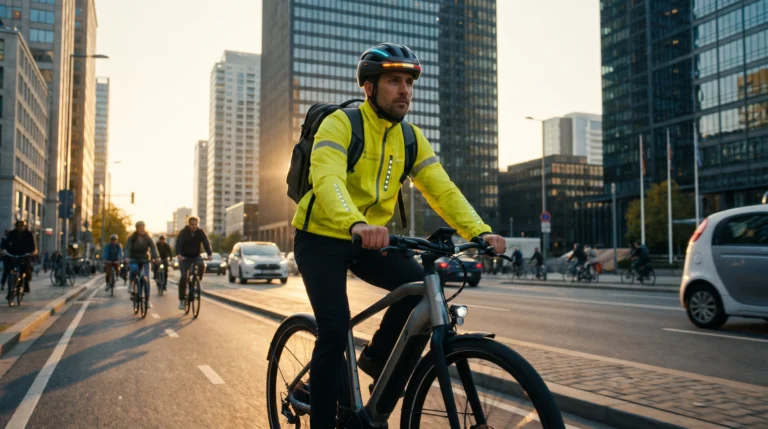
As global urbanization continues to accelerate, the landscape of urban mobility is experiencing a profound transformation. The outdoor cycling market in 2026 is witnessing significant growth, driven primarily by advancements in bike commuting technology. Riders are no longer satisfied with basic transportation; they demand intelligent, connected, and highly efficient machines that seamlessly integrate into their daily lives. Consequently, manufacturers are responding with unprecedented innovations that blur the lines between traditional bicycles and smart vehicles.
Electric bicycles now comprise over 40% of the total cycling market, reflecting a clear shift toward performance-focused solutions. This rapid adoption is particularly evident in urban centers across North America and Europe, where sustainable transportation policies are reshaping city infrastructure. Furthermore, the integration of smart technology has become a standard expectation rather than a premium luxury. Commuters now rely on data-driven features to optimize their daily journeys, reduce fatigue, and enhance overall safety on crowded city streets.
Lightweight Design Meets Maximum Efficiency
One of the most significant breakthroughs in 2026 is the delicate balance between robust durability and lightweight design. Historically, commuter bikes, especially e-bikes, were notoriously heavy and cumbersome to maneuver in tight urban spaces. However, modern engineering has revolutionized frame construction. By leveraging advanced materials such as recycled carbon fiber and high-strength aluminum alloys, manufacturers have successfully reduced overall weight without compromising structural integrity.
This reduction in weight translates directly to improved performance. For instance, reducing an e-bike’s weight by just a single kilogram can improve energy efficiency by up to 3%. Consequently, riders experience extended battery range and a more responsive handling feel. When combined with innovations in solid-state battery technology, these lightweight frames allow commuters to travel further on a single charge than ever before. Additionally, component-level optimizations, including ultra-light wheels and refined drivetrains, ensure that every pedal stroke delivers maximum power transfer.
Smart Displays and AI-Assisted Navigation
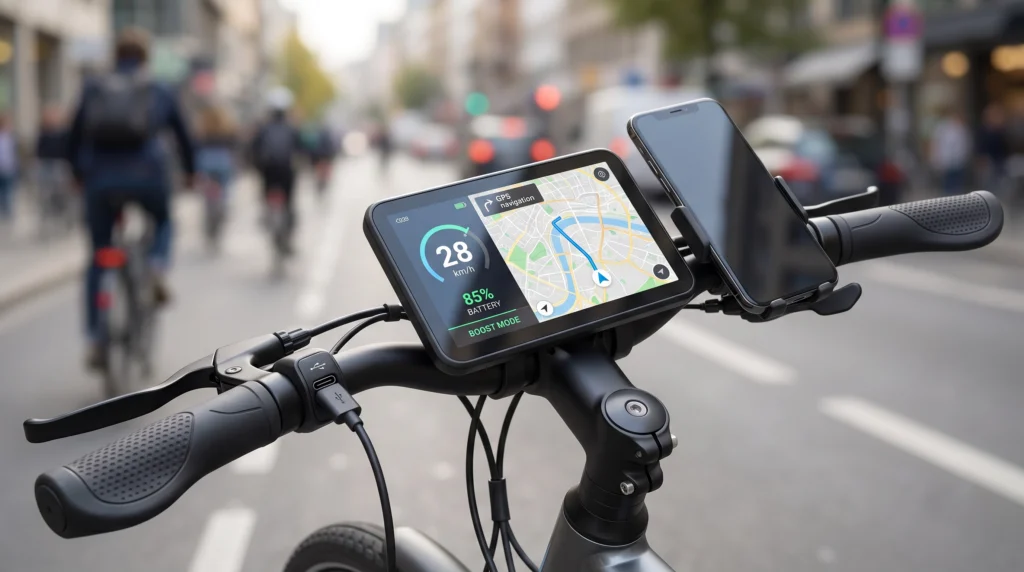
The cockpit of a 2026 commuter bike resembles the dashboard of a modern electric car. Gone are the days of simple LCD screens displaying only speed and distance. Today’s smart displays are comprehensive command centers that offer a wealth of real-time information. These high-resolution, color interfaces provide turn-by-turn GPS navigation, precise battery management metrics, and adaptive pedal-assist modes that automatically adjust to the rider’s effort and the surrounding terrain.
Artificial intelligence plays a crucial role in this connected experience. Predictive AI algorithms can anticipate rider fatigue based on heart rate and cadence data, subsequently optimizing motor output to provide assistance exactly when it is needed most. Moreover, these systems integrate seamlessly with cycling training software, allowing commuters to track their fitness progress while traveling to work. IoT connectivity ensures that the bike’s firmware is always up to date, while remote diagnostics alert riders to potential maintenance issues before they become serious problems.
Cargo Solutions for the Modern Professional
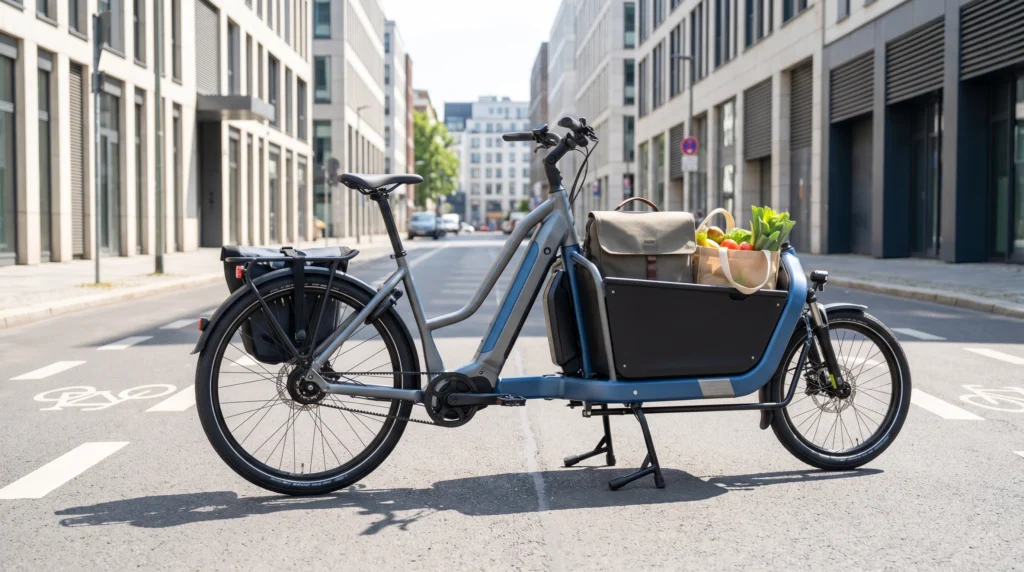
As more professionals abandon their cars in favor of two-wheeled commuting, the demand for practical cargo solutions has skyrocketed. The modern cargo e-bike is a marvel of utilitarian design, capable of hauling groceries, laptops, and even children with remarkable ease. These innovative bicycle accessories are engineered to maintain a low center of gravity, ensuring stability even when fully loaded.
Modular designs have become increasingly popular, allowing riders to customize their cargo setups based on their specific daily needs. Integrated front boxes and sturdy rear racks with quick-release panniers offer versatile storage options. Furthermore, these cargo bikes often feature step-through frames for easy mounting and dismounting, which is particularly beneficial when navigating stop-and-go city traffic. The integration of heavy-duty kickstands and robust braking systems ensures that these workhorse machines remain safe and manageable under heavy loads.
Integration with Smart City Infrastructure
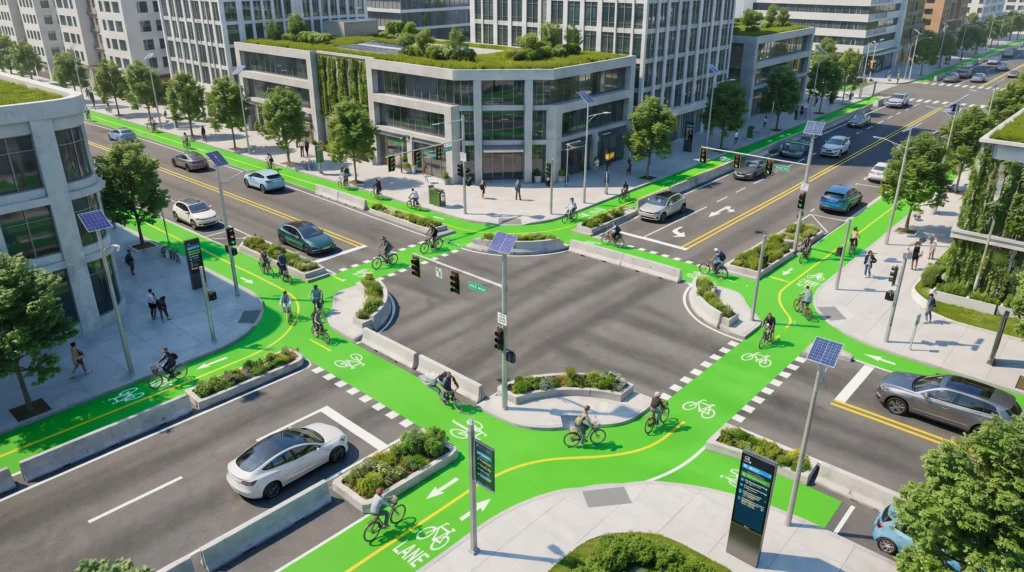
The evolution of bike commuting technology is not occurring in isolation; it is happening in tandem with the development of smart city infrastructure. Urban planners are increasingly prioritizing dedicated, protected bike lanes that physically separate cyclists from vehicular traffic. These cycling infrastructure trends are crucial for encouraging broader adoption of bike commuting among those who previously felt unsafe on city streets.
Smart intersections equipped with cyclist detection sensors can now adjust traffic signal timing to prioritize the flow of bicycle traffic. Additionally, solar-powered street lights and digital wayfinding signs enhance visibility and navigation during low-light conditions. When combined with AI smart bike lights that adapt their brightness and flash patterns based on ambient light and approaching vehicles, the modern urban cycling experience is safer and more efficient than ever before.
Sustainable Materials and Eco-Friendly Manufacturing
Sustainability is no longer just a buzzword; it is a fundamental pillar of modern bicycle manufacturing. As consumers become more environmentally conscious, they expect their eco-friendly transportation choices to be produced using sustainable methods. Manufacturers are responding by integrating recycled materials into their production processes, significantly reducing the carbon footprint associated with building new bikes.
Beyond the frame materials, innovations in battery chemistry are also contributing to a greener industry. High-energy-density lithium-ion cells and emerging solid-state technologies offer longer lifecycles and are easier to recycle at the end of their usable life. Furthermore, modular designs that facilitate easy essential bike maintenance and component upgrades help extend the overall lifespan of the bicycle, reducing waste and promoting a circular economy within the cycling industry.
The Future of Urban Commuting
Looking ahead, the trajectory of bike commuting technology points toward even greater integration and personalization. We can expect to see further advancements in road tech predictions, including augmented reality displays integrated directly into cycling eyewear and biometric sensors that monitor rider health in real-time. The boundary between the rider, the machine, and the city infrastructure will continue to blur, creating a seamless and highly optimized commuting ecosystem.
Ultimately, the innovations of 2026 are not just about making bikes faster or more technologically advanced; they are about fundamentally changing how we interact with our urban environments. By providing smart, efficient, and sustainable alternatives to traditional vehicular transport, these technologies are empowering individuals to reclaim their city streets. As we embrace these predicted cycle trends, the future of urban mobility looks brighter, cleaner, and undeniably more exciting for cyclists everywhere.