The Evolution of Indoor Cycling Training
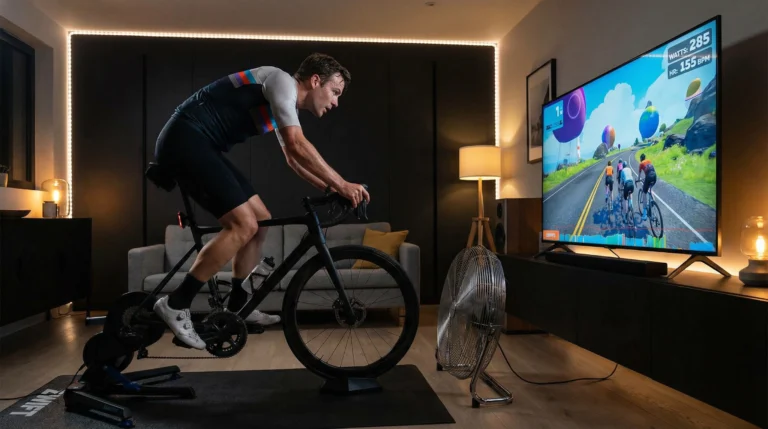
The landscape of indoor cycling has transformed dramatically over the past few years. What was once considered a tedious winter necessity has evolved into a year-round training methodology. In 2026, the best indoor cycling apps offer immersive experiences that rival outdoor riding. These platforms combine advanced gamification with rigorous sports science to keep riders engaged and improving. Whether you are preparing for a spring century ride or looking to boost your functional threshold power, the right software can make all the difference.
Modern smart trainers have become incredibly sophisticated, providing realistic road feel and precise power measurement. When paired with cutting-edge software, these devices create a seamless training environment. The integration of artificial intelligence into these platforms is perhaps the most significant advancement we have seen recently. Instead of following static, one-size-fits-all plans, cyclists now benefit from dynamic programming that adapts to their unique physiological responses.
Artificial Intelligence and Adaptive Training Plans
One of the most exciting developments in 2026 is the widespread adoption of AI-driven adaptive training. Platforms like TrainerRoad have pioneered this approach, utilizing machine learning algorithms to analyze millions of rides. This technology evaluates your performance after every session, adjusting future workouts to ensure you are always training at the optimal intensity. If you struggle with a particular interval set, the system automatically dials back the difficulty of similar future workouts to prevent overtraining.
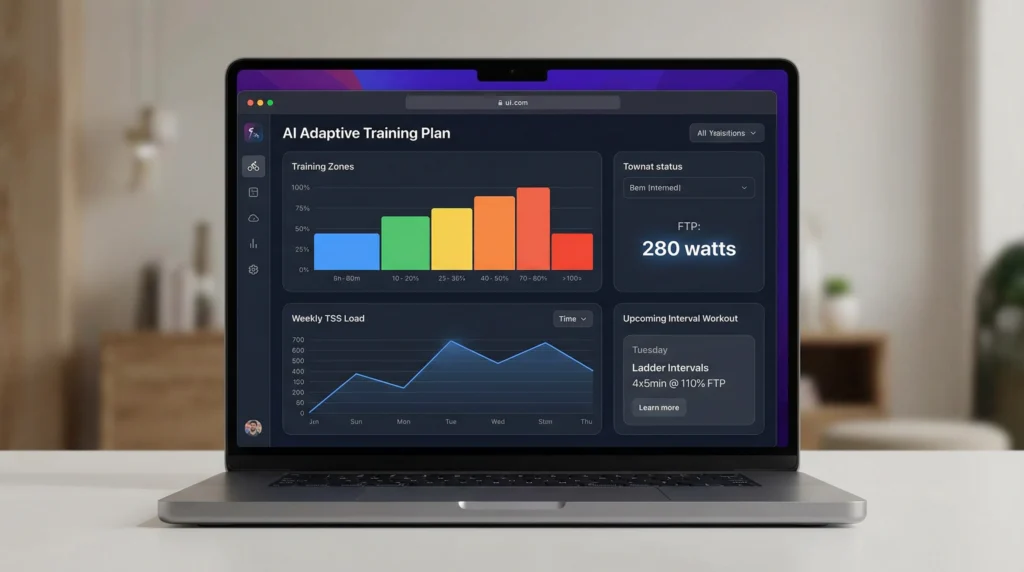
Furthermore, the days of grueling, all-out FTP tests are largely behind us. Advanced software can now accurately estimate your functional threshold power by analyzing your regular riding data. This means you can spend more time actually training and less time dreading assessment days. The AI models look at your heart rate, power output, and perceived exertion to build a comprehensive profile of your fitness level. This personalized approach ensures that every minute spent on the trainer yields maximum physiological benefits.
The Rise of Hybrid Training Approaches
While some cyclists prefer the structured, data-driven environment of dedicated training apps, others crave the social interaction of virtual worlds. In response to this divide, a growing trend in 2026 is the hybrid training approach. Many riders are now combining the rigorous, AI-generated workouts of one platform with the engaging, gamified environments of another. For instance, you can execute a highly specific interval session while your avatar navigates the virtual roads of Zwift alongside thousands of other cyclists.
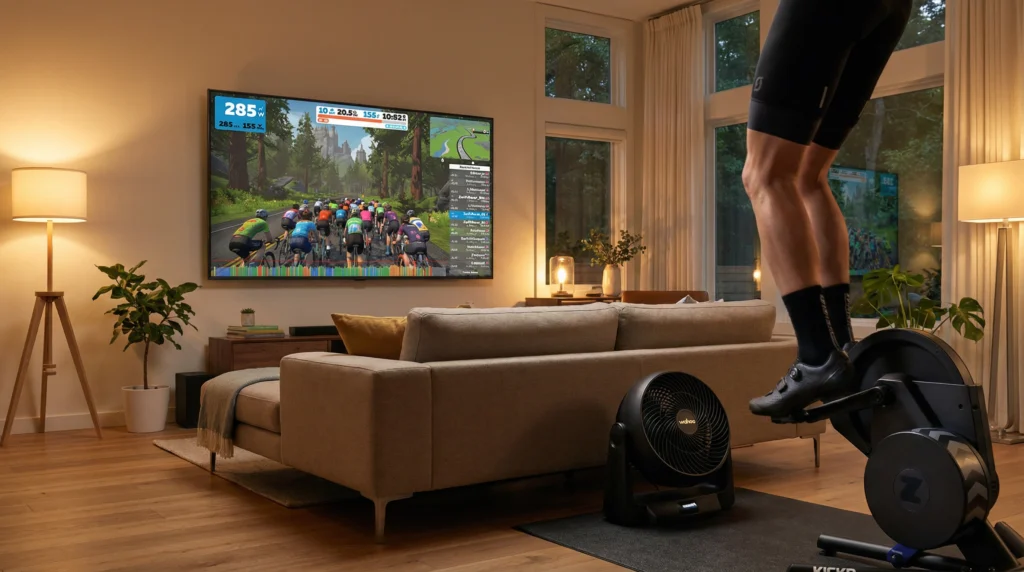
This integration between different software ecosystems has become much smoother. Developers recognize that cyclists want flexibility in how they train. Consequently, APIs and data-sharing agreements allow seamless synchronization between various apps and head units. You can easily push a structured workout from your training software directly to your cycling power meter display or smart trainer. This interoperability empowers riders to curate a training experience that perfectly matches their motivational needs and performance goals.
Free Alternatives and Market Expansion
As the indoor cycling market continues to expand, the barrier to entry is lowering. While premium subscriptions offer incredible value, free alternatives are gaining significant traction. Platforms like MyWhoosh provide high-quality virtual riding experiences without the monthly fee. These free options are particularly appealing to beginners or those who only ride indoors occasionally. They offer realistic routes, structured workouts, and even esports racing opportunities, proving that effective training does not have to be expensive.
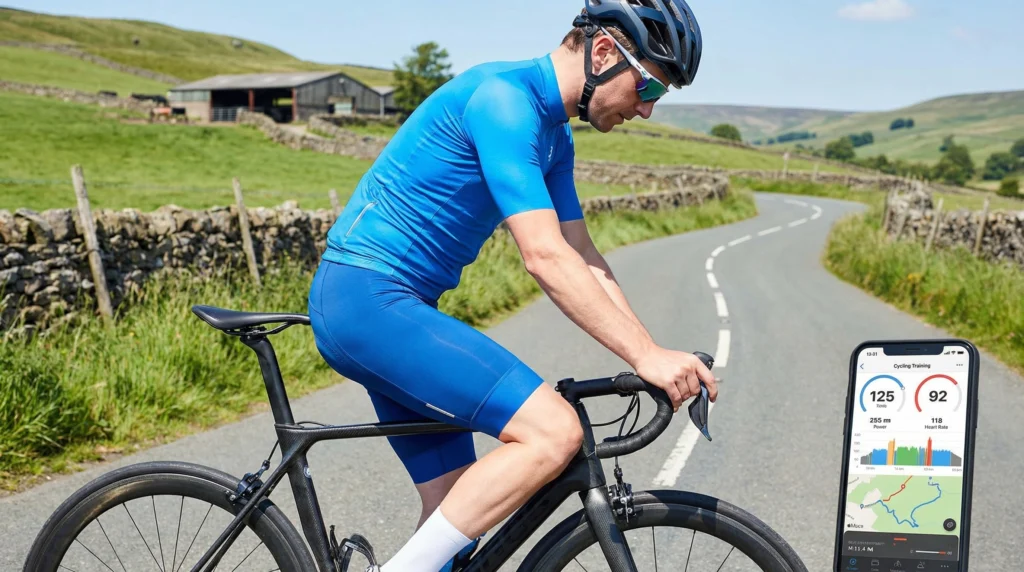
The availability of these accessible platforms is bringing more people into the sport. Casual riders are discovering the benefits of structured indoor training, which often translates to increased confidence and capability outdoors. Additionally, the integration of these apps with mobile devices means you can take your training data anywhere. Whether you are analyzing your cycling cadence after a session or reviewing your weekly training stress score, the information is always at your fingertips. As we look toward the future, the line between indoor and outdoor cycling will continue to blur, driven by these innovative software solutions.
Ultimately, the best cycling app is the one that keeps you motivated and consistent. With the incredible variety of software available in 2026, there has never been a better time to invest in your indoor training setup. By leveraging AI, embracing hybrid approaches, and exploring new platforms, you can elevate your cycling performance to unprecedented levels. For more tips on optimizing your setup, check out our guide on smart trainers and indoor cycling technology.