The Resurgence of Aero Road Bikes
For several years, the cycling industry seemed obsessed with the all-rounder race bike. Brands focused on creating a single machine that could climb like a mountain goat and sprint like a track star. However, in 2026, we are witnessing a dramatic return to dedicated aerodynamic designs. The latest road tech predictions indicate that aero bikes are once again the kings of the peloton. This shift is driven by a deeper understanding of UCI regulations and the relentless pursuit of speed on flat and rolling terrain.
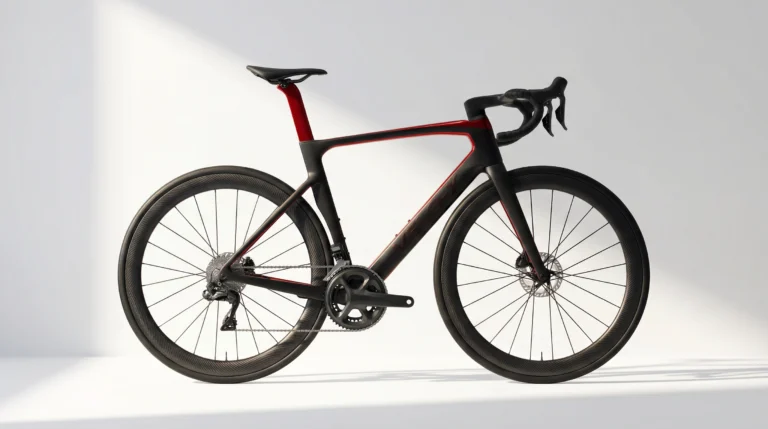
Modern aero bikes are no longer the harsh, unforgiving machines of the past. Thanks to advanced carbon fiber layup techniques, manufacturers can now build frames that slice through the wind while remaining surprisingly comfortable. These bikes feature incredibly deep tube profiles, fully integrated cockpits, and hidden cable routing. The result is a striking aesthetic that screams speed even when standing still. As more amateur racers realize the massive wattage savings offered by these designs, the demand for pure aero bikes is skyrocketing.
Relaxed Geometry and the Endurance Revolution
While racers are flocking back to aero bikes, the vast majority of cyclists are embracing a different trend. The endurance road bike is becoming the default choice for everyday riders. In 2026, the geometry of these bikes has been refined to offer the perfect balance of comfort and performance. We are seeing longer wheelbases, slacker head tube angles, and taller stack heights. This relaxed geometry puts the rider in a more upright position, significantly reducing strain on the lower back and neck during long days in the saddle.
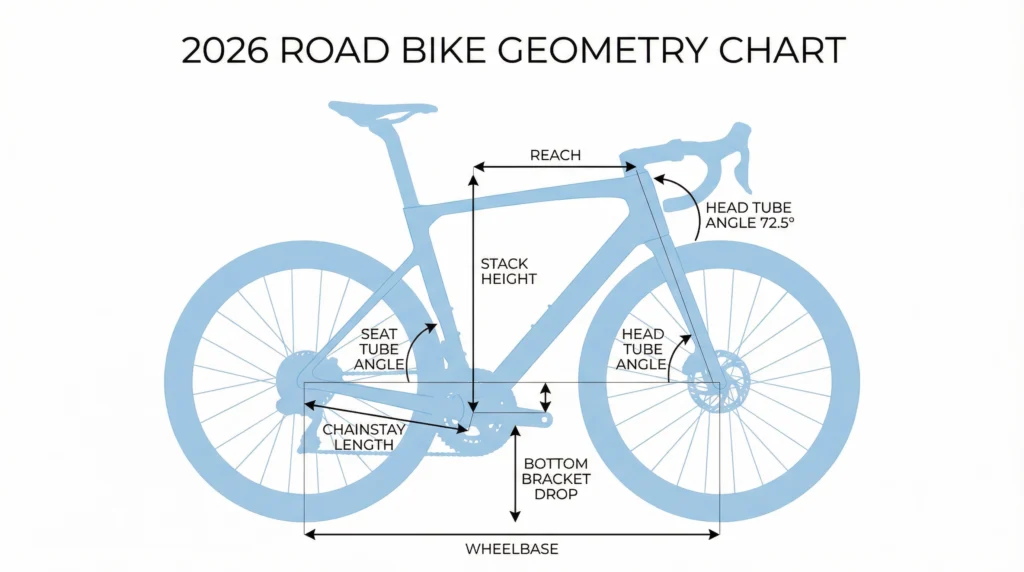
Furthermore, this shift in geometry is accompanied by a massive increase in tire clearance. It is now completely normal for a road bike to accommodate 32mm or even 35mm tires. This allows riders to run lower pressures, dramatically improving comfort and grip on rough surfaces. The combination of relaxed geometry and wide rubber means that modern endurance bikes can handle everything from smooth tarmac to light gravel. For many cyclists, this versatility makes the endurance bike the only machine they will ever need.
The Rise of 1x Drivetrains on the Road
Another significant trend shaping frame design in 2026 is the growing popularity of 1x (single chainring) drivetrains on road bikes. Previously relegated to mountain and gravel bikes, 1x systems are now being taken seriously by road cyclists. With the introduction of 12-speed and 13-speed cassettes from major manufacturers, the gear range is no longer a limiting factor. This simplification of the drivetrain offers several distinct advantages for both frame builders and riders.
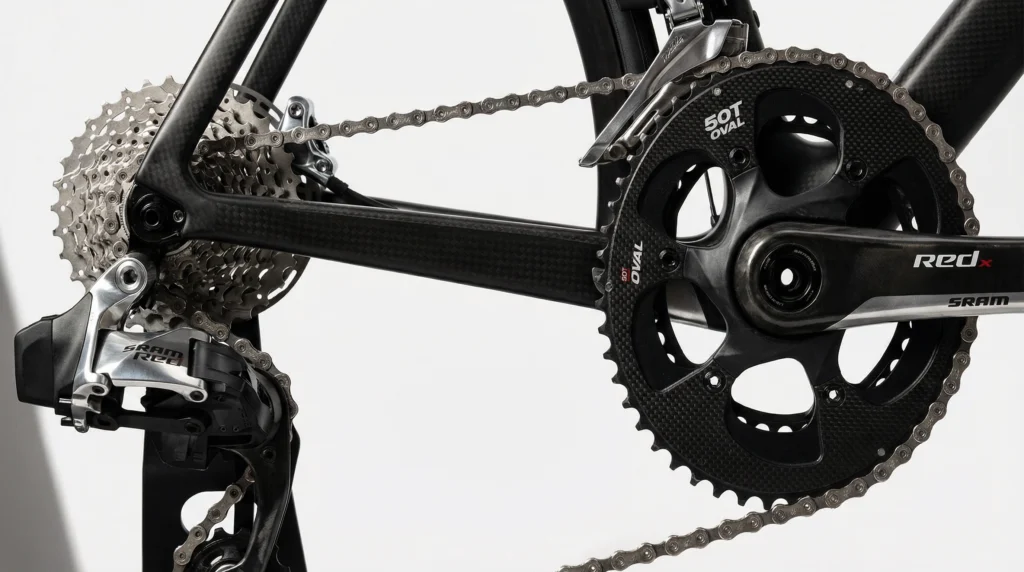
By eliminating the front derailleur, engineers can optimize the bottom bracket area for stiffness and aerodynamics. The absence of a front shifting mechanism also frees up space for wider tires, further supporting the endurance bike trend. Additionally, 1x systems are inherently more reliable, with fewer moving parts to maintain or adjust. As more riders experience the simplicity and clean aesthetic of a single chainring setup, we expect to see an increasing number of road frames designed specifically around this technology.
Carbon Innovation and Integration
The foundation of all these geometry and design trends is the continuous evolution of carbon fiber technology. In 2026, carbon-fiber frames represent a paradigm shift in cycling manufacturing. Brands are utilizing proprietary molding processes to create structures that are lighter, stronger, and more aerodynamic than ever before. This level of precision allows engineers to tune the ride characteristics of specific areas of the frame, ensuring stiffness where it is needed for power transfer and compliance where it is needed for comfort.

Integration is the buzzword of the year. Beyond just hiding cables, modern frames are designed to seamlessly incorporate cycling power meters, electronic shifting batteries, and even hydration systems. This holistic approach to design not only improves aerodynamics but also creates a stunningly clean look. However, this level of integration does present challenges for home mechanics, making essential bike maintenance more complex. Despite this, the performance benefits and aesthetic appeal of these highly integrated machines are undeniable.
As we look ahead, the debate surrounding hookless rims and tire compatibility continues to rage. However, the overarching trends in road bike geometry and frame design are clear. Whether you are a racer seeking the ultimate aero advantage or an enthusiast looking for all-day comfort, the bikes of 2026 offer unprecedented performance and versatility. By understanding these innovations, you can make an informed decision when it is time to upgrade your ride. For more insights into optimizing your setup, explore our guide on aerodynamic cycling optimization.