The Evolution of Bike Lights and Visibility Technology in 2026
The landscape of cycling safety is undergoing a massive transformation as we move deeper into 2026. Riders are no longer relying on basic, low-lumen blinkers. Instead, the industry is embracing highly intelligent, adaptive, and connected bike lights and visibility technology. Whether you are navigating busy urban streets or training on dark country roads, understanding these advancements is crucial for maximizing your safety and confidence.
In recent years, the focus has shifted from simply seeing the road to ensuring that you are seen by others. This paradigm shift is driven by a growing awareness of the dangers cyclists face, particularly in low-light conditions. Today, we will explore the cutting-edge innovations defining cycling illumination in 2026, from smart radar systems to adaptive LED arrays. These advancements complement other safety measures, such as aerodynamic helmet technology, to provide comprehensive protection.
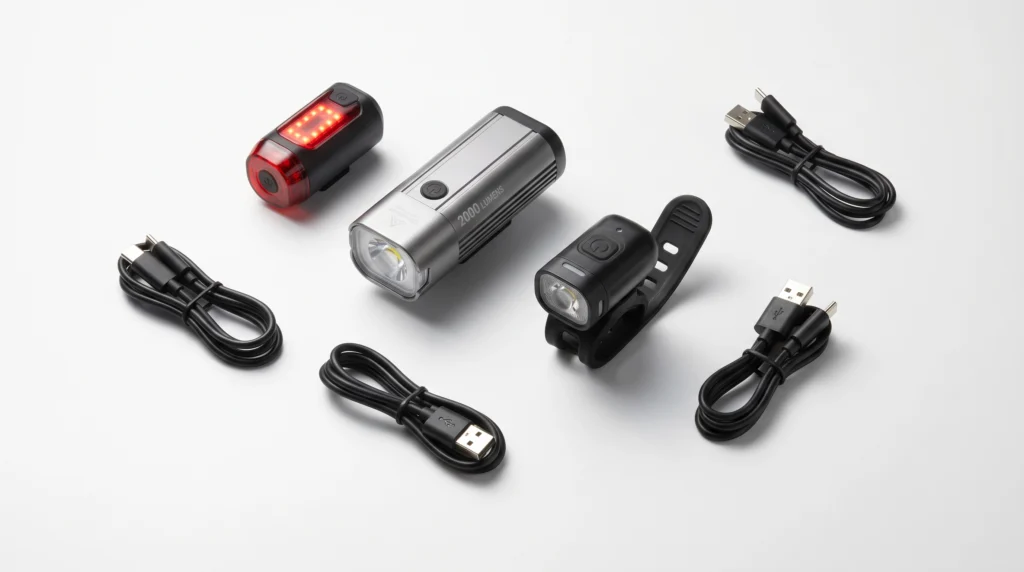
Smart Radar and Rearward Visibility
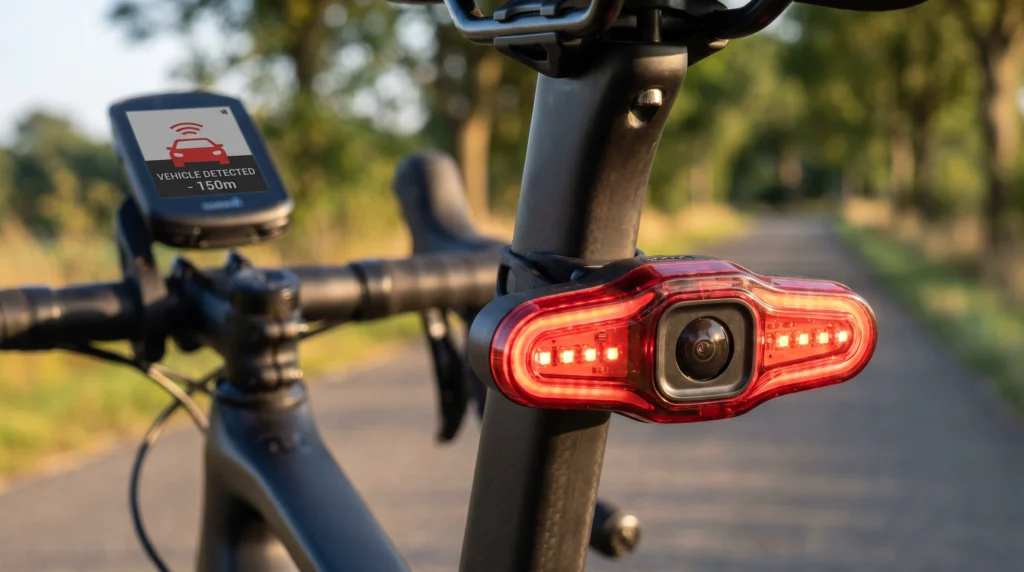
When evaluating bike lights and visibility technology in 2026, the integration of radar systems stands out as a revolutionary advancement. Smart rear lights, such as the Garmin Varia series, do much more than simply flash red. They actively monitor the road behind the cyclist, detecting approaching vehicles from up to 140 meters away. This technology provides riders with crucial situational awareness, allowing them to anticipate traffic before they can even hear it.
These radar systems communicate directly with compatible bike computers or smartphones, displaying visual and auditory alerts as cars approach. Furthermore, the light itself reacts to the approaching vehicle. As a car gets closer, the light flashes faster and brighter, significantly increasing the cyclist’s visibility and alerting the driver to their presence. This dynamic response is a massive improvement over static lights. For a detailed look at how these systems work, Garmin’s overview of Varia smart bike lights provides excellent technical insights.
Moreover, the latest iterations of these radar lights often include built-in cameras. These cameras continuously record the ride, automatically saving footage if an incident is detected. This not only provides valuable evidence in the event of an accident but also acts as a deterrent to aggressive driving. The combination of radar, reactive lighting, and video recording makes these devices an indispensable tool for modern cyclists.
Adaptive LED Systems and Beam Control
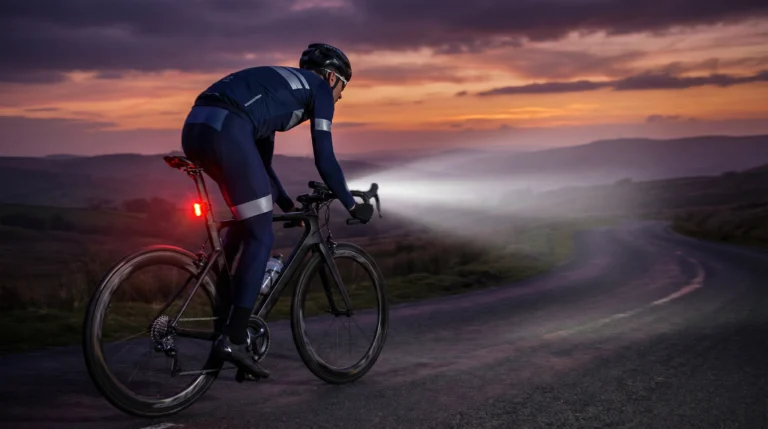
One of the most significant leaps in front-facing bike lights for 2026 is the widespread adoption of adaptive LED systems. Traditional high-lumen lights, while excellent for illuminating dark paths, can easily blind oncoming traffic or pedestrians. Adaptive systems solve this problem by intelligently managing the beam pattern and intensity based on the riding environment.
These smart lights utilize ambient light sensors and speed data to adjust their output automatically. When riding fast on a dark descent, the light projects a long, powerful beam. When slowing down or entering a well-lit urban area, the beam widens and dims to conserve battery and avoid dazzling others. Some advanced models even feature cut-off beams, similar to car headlights, which direct the light precisely onto the road surface rather than into the eyes of oncoming traffic. This technology is particularly beneficial when combined with bike commuting technology, ensuring safe navigation through city streets.
Furthermore, the quality of the LEDs themselves has improved dramatically. Modern lights offer better color rendering, making it easier to distinguish between different types of terrain, such as wet tarmac, gravel, or ice. This enhanced visual clarity is crucial for avoiding hazards and maintaining control at high speeds. For those interested in the technical specifications of these systems, BikeRadar’s guide to smart bike lights offers detailed analysis.
The Importance of Daytime Running Lights (DRL)
The evolution of visibility technology is not limited to nighttime riding. In 2026, the use of Daytime Running Lights (DRL) has become a standard safety practice for cyclists of all disciplines. Research has consistently shown that a significant percentage of cycling accidents occur during daylight hours, often because the driver simply did not see the cyclist. DRLs are specifically designed to combat this issue.
Unlike standard lights, DRLs utilize specific flash patterns, focus, and range to be highly visible even in bright sunlight. They are engineered to catch the eye of a distracted driver from a considerable distance, providing them with ample time to react and give the cyclist a wide berth. The implementation of DRLs is a simple yet highly effective way to enhance safety on every ride.
Additionally, many modern DRLs are integrated directly into the bike’s design or seamlessly attach to helmets and clothing. This ensures that the lights are always positioned for maximum visibility. The push for daytime visibility is supported by major manufacturers, as detailed in Trek’s explanation of Daytime Running Lights, which highlights their importance in modern cycling safety.
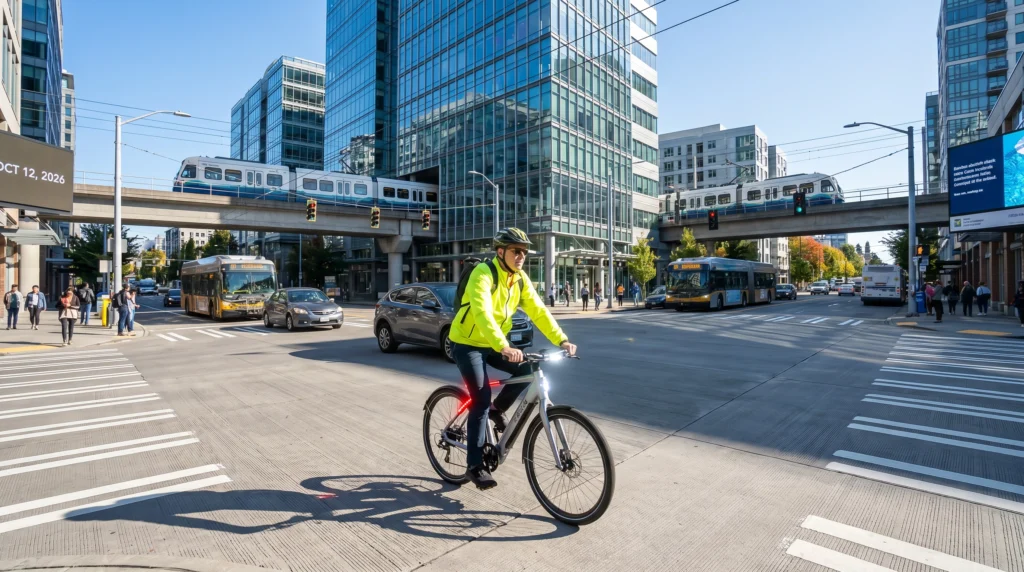
Smart Connectivity and Ecosystem Integration
The modern bike light is no longer just a standalone accessory; it is a highly connected component of the broader cycling ecosystem. In 2026, bike lights and visibility technology are deeply integrated with smartphone applications and GPS head units, offering unprecedented levels of control and customization. Riders can now fine-tune flash patterns, check battery levels, and even turn lights on and off directly from their handlebars.
These connected systems also allow for synchronized lighting. For example, a front and rear light can be paired to operate in tandem, ensuring a consistent flash pattern that is easier for drivers to recognize. Some systems even integrate with the bike’s drivetrain, automatically activating a brake light function when the rider decelerates. This level of integration ensures that the lighting system works harmoniously with the rider’s actions. For more information on how connectivity is shaping the industry, Lezyne’s Smart Connect technology is a prime example.
Additionally, smart connectivity enhances convenience. Many 2026 lights feature auto-on/off functionality, activating automatically when the bike is in motion and turning off when parked. This eliminates the need to manually manage the lights and ensures that the rider is never caught without illumination. This connectivity also extends to integration with cycling apps and training software, providing a holistic approach to ride management.
The Future of Cycling Illumination
As we look ahead, the trajectory of bike lights and visibility technology is clear: systems will continue to become smarter, more integrated, and increasingly adaptive. The integration of artificial intelligence (AI) is on the horizon, promising lights that can learn a rider’s typical routes and automatically adjust settings based on historical traffic patterns and ambient light conditions. This predictive capability will further enhance safety and convenience.
Furthermore, advancements in materials science will lead to more efficient LED designs, reducing heat generation and improving overall battery life. The push for sustainability will also drive innovation in recyclable battery technologies and eco-friendly manufacturing processes. The bike light of the future will not only be a high-performance safety device but also a responsible choice for the environment.
In conclusion, the bike lights and visibility technology of 2026 represent a significant leap forward in cycling safety. From the proactive awareness provided by smart radar to the intelligent illumination of adaptive LEDs, these advancements are redefining what it means to be seen on the road. Whether you are a seasoned cyclist or a daily commuter, embracing these technologies will undoubtedly elevate your riding experience and keep you safer on every journey. For further reading on the latest trends, check out Lupine’s perspective on what really matters in bike lights.