The Evolution of Bike Fit Technology in 2026
The landscape of cycling performance is undergoing a massive transformation as we move deeper into 2026. Riders are no longer relying on basic tape measures and plumb bobs to determine their optimal riding position. Instead, the industry has fully embraced advanced digital measurement systems that leverage computer vision, machine learning, and artificial intelligence. This technological leap is fundamentally changing how cyclists interact with their machines, prioritizing both aerodynamic efficiency and long-term biomechanical health.
Historically, achieving the perfect bike fit was considered an art form that relied heavily on the subjective experience of the fitter. Today, that art has evolved into a precise science. Modern bike fit technology in 2026 utilizes high-speed cameras and sophisticated algorithms to capture thousands of data points per second. Consequently, fitters can now analyze a rider’s unique biomechanics with unprecedented accuracy. This shift is particularly crucial for endurance athletes who spend hours in the saddle, where even millimeter adjustments can significantly impact power output and comfort.
3D Body Scanning and Motion Capture Integration
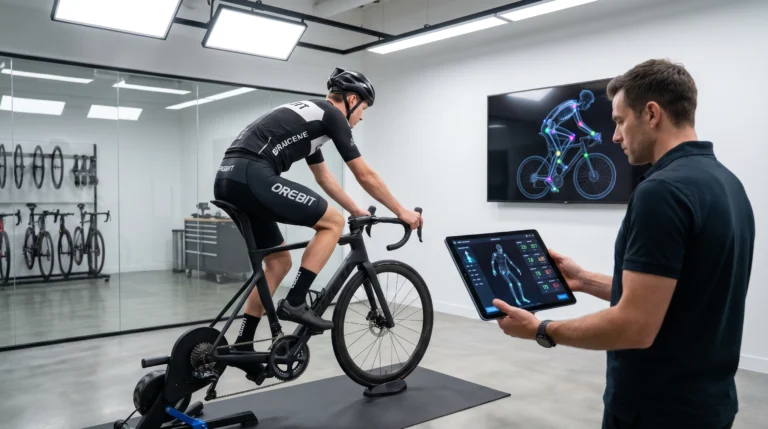
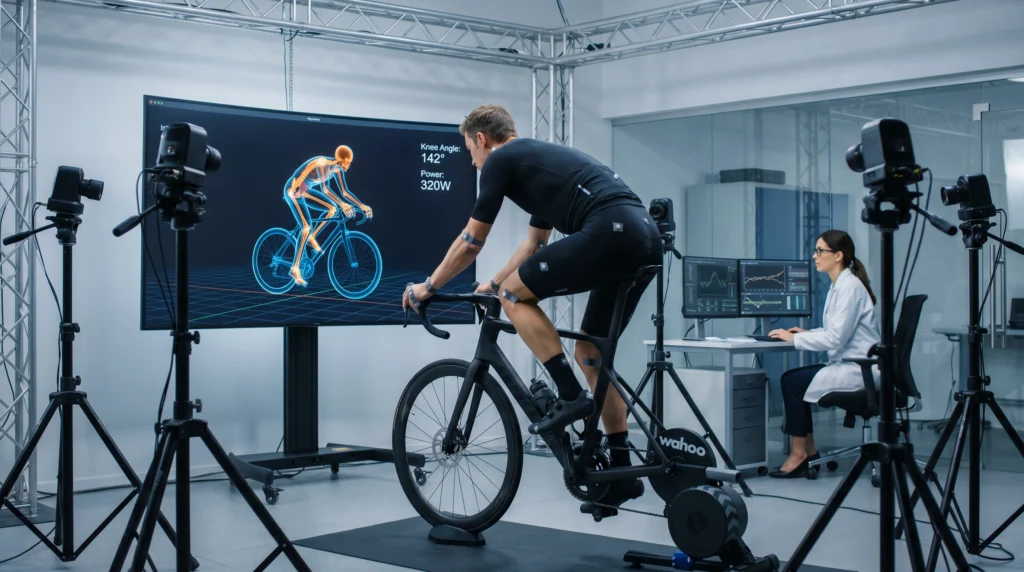
One of the most significant advancements in recent years is the widespread adoption of 3D body scanning technology. Systems like the Retül Vantage 3D motion capture setup have become the gold standard in professional fitting studios. These advanced systems use infrared cameras to track reflective markers placed on the rider’s key anatomical landmarks. As the cyclist pedals on a stationary trainer, the software generates a real-time, three-dimensional model of their movement.
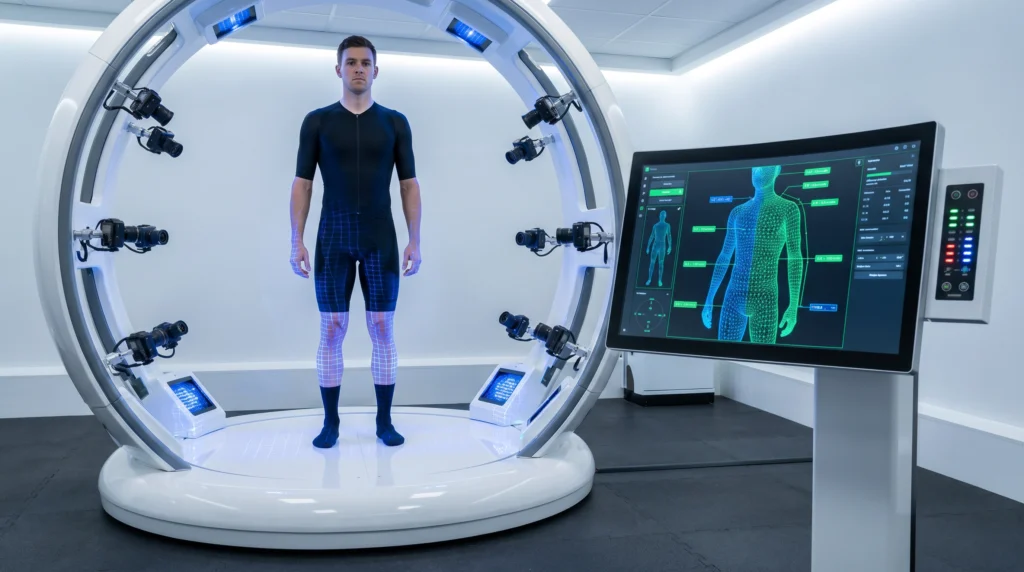
This dynamic analysis is far superior to traditional static measurements. By observing the body in motion under load, fitters can identify asymmetries, pedaling inefficiencies, and potential injury risks that are invisible when the rider is standing still. Furthermore, the integration of advanced cycling analytics allows for immediate feedback. If a fitter adjusts the saddle height or handlebar reach, the system instantly calculates the resulting changes in knee extension angles, hip flexion, and overall aerodynamic drag.
The benefits of this technology extend beyond professional racers. A recent study on bike fitting demonstrated that recreational cyclists experience significant reductions in pain and discomfort after undergoing a comprehensive 3D motion capture fit. By addressing issues like lower back pain, knee strain, and hand numbness, riders can enjoy longer, more comfortable sessions in the saddle. This is especially relevant when combined with modern Cycling Apps and Training Software Trends 2026, which encourage riders to spend more time training indoors on smart trainers.
Saddle Pressure Mapping and Ergonomic Optimization
While motion capture focuses on joint angles and overall posture, saddle pressure mapping addresses the critical contact point between the rider and the bike. In 2026, high-resolution pressure sensors are seamlessly integrated into diagnostic saddles. These sensors provide a vivid, real-time heat map of the rider’s sit bone pressure distribution. By analyzing this data, fitters can recommend the exact saddle width and shape required to alleviate soft tissue pressure and ensure proper skeletal support.
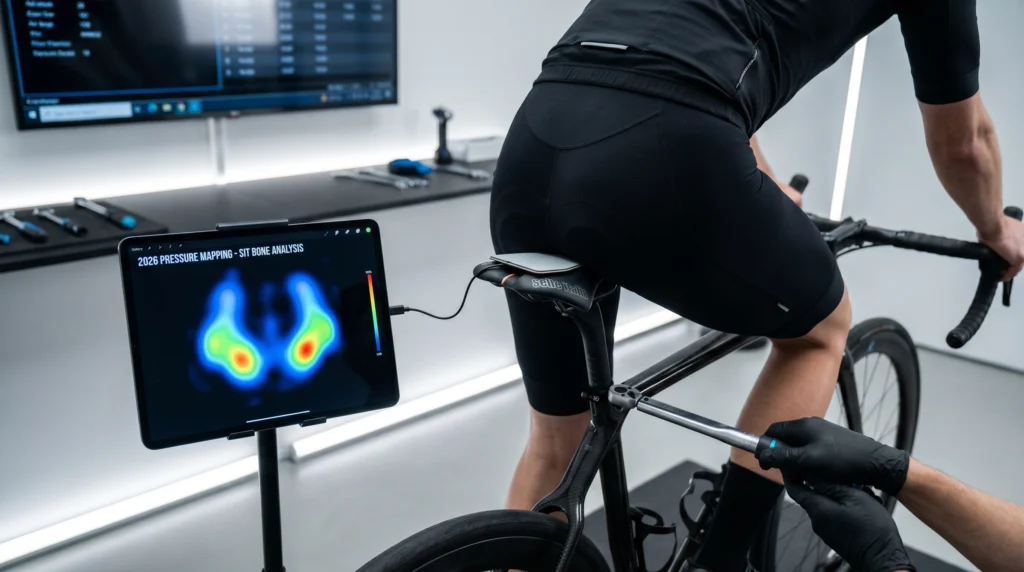
This level of ergonomic optimization is essential for maximizing power transfer. When a rider is stable and comfortable on the saddle, they can generate more consistent wattage without wasting energy on micro-adjustments to relieve discomfort. This data-driven approach to saddle selection pairs perfectly with the insights gained from Cycling Power Meters and Training Metrics Guide 2026, allowing athletes to see the direct correlation between improved comfort and increased power output.
Moreover, the focus on ergonomics extends to the handlebars and pedals. Advanced AI-powered fitting systems now incorporate hand measurement tools to determine the optimal grip diameter and handlebar sweep. Similarly, precise cleat alignment is achieved using laser guides and foot pressure analysis, ensuring that the knee tracks perfectly over the pedal spindle. These comprehensive ergonomic adjustments are vital for preventing overuse injuries and maximizing pedaling efficiency.
The Future of AI-Driven Bike Fitting
Looking ahead, the integration of artificial intelligence is poised to revolutionize the bike fitting industry even further. AI algorithms are currently being trained on vast databases of biomechanical data, allowing them to identify patterns and predict optimal fit coordinates with astonishing accuracy. In the near future, we can expect to see automated fitting kiosks in local bike shops, where a quick 3D scan will instantly generate a personalized list of recommended frame sizes, stem lengths, and saddle widths.
This democratization of professional-level fitting technology will make cycling more accessible and enjoyable for everyone. Whether you are a seasoned triathlete looking to shave seconds off your bike split or a weekend warrior seeking relief from lower back pain, the advancements in bike fit technology in 2026 offer tangible, data-driven solutions. As the equipment we ride becomes increasingly sophisticated, such as the innovations seen in Pedal Technology and Innovations for 2026, ensuring that our bodies are perfectly aligned with our machines has never been more important.
Ultimately, investing in a modern, technology-driven bike fit is one of the most effective ways to improve your cycling experience. By prioritizing biomechanical harmony, you can unlock your full potential, ride faster, and, most importantly, ride pain-free. The science of cycling has evolved, and the tools to achieve the perfect fit are now readily available to riders of all levels.