The Science of Fueling Your Ride in 2026
As cycling technology continues to advance at a breakneck pace, so too does our understanding of human performance. In 2026, the approach to cycling nutrition hydration strategy has evolved from simple guesswork into a highly precise science. Riders are no longer relying solely on water and a few bananas to get them through a long day in the saddle. Instead, they are adopting structured, data-driven fueling plans designed to maximize power output, delay fatigue, and accelerate recovery.
The modern cyclist understands that nutrition is just as critical to success as their training regimen or the aerodynamics of their bicycle. Whether you are preparing for a grueling century ride, a fast-paced criterium, or simply a challenging weekend group ride, what you consume before, during, and after your effort directly dictates how you will perform. By mastering the delicate balance of carbohydrates, fluids, and electrolytes, cyclists can unlock their full potential and avoid the dreaded “bonk” that ruins so many rides.
Carbohydrates: The Engine’s Primary Fuel
Carbohydrates remain the undisputed king of endurance sports nutrition. During high-intensity exercise, the body relies heavily on muscle glycogen stores to produce energy. However, these stores are limited and can be depleted in as little as 60 to 90 minutes of hard riding. To sustain performance beyond this point, cyclists must continuously replenish their carbohydrate levels. In 2026, the standard recommendation for rides lasting longer than an hour is to consume between 30 and 60 grams of carbohydrates per hour.
For elite athletes and those tackling extremely demanding events, this number can be pushed even higher. Recent studies have shown that by utilizing a 2:1 ratio of glucose to fructose, the body can absorb up to 90 grams of carbohydrates per hour. This is because glucose and fructose utilize different transport mechanisms in the gut, allowing for a higher total absorption rate without causing gastrointestinal distress. Many modern cycling training software platforms now include nutrition tracking features to help riders hit these precise targets.
The Evolution of Energy Products
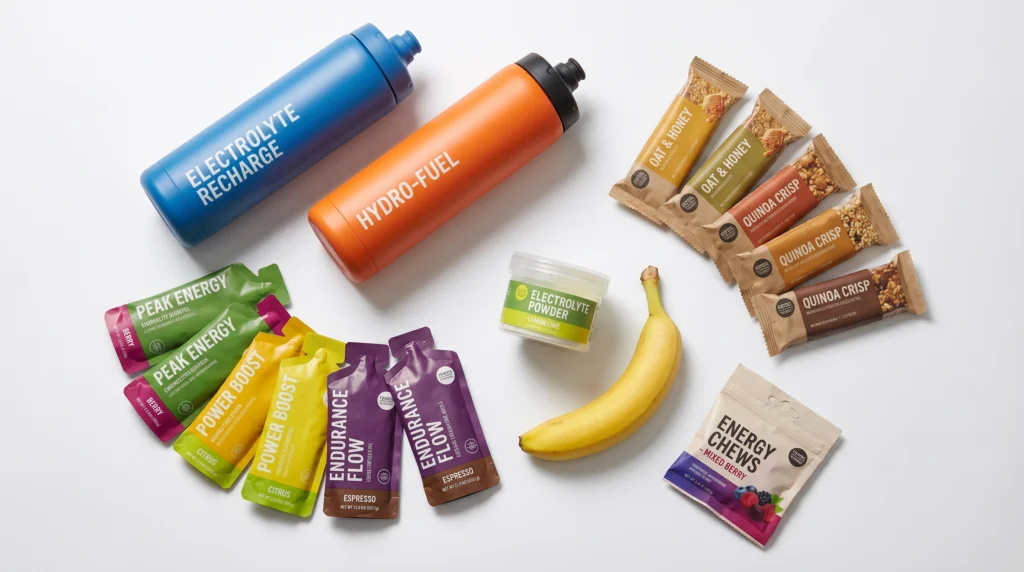
The market for sports nutrition products has exploded, offering cyclists an overwhelming array of choices. From traditional energy bars and chews to advanced hydrogels and drink mixes, there is a fueling solution for every preference and digestive system. In 2026, the trend is heavily leaning toward liquid calories and easily digestible gels, particularly for high-intensity efforts where chewing solid food is difficult or impossible.
Isotonic energy drinks are incredibly popular because they provide a dual benefit: they deliver a steady stream of carbohydrates while simultaneously addressing hydration needs. A typical one-liter bottle of an isotonic mix will provide roughly 60 grams of carbohydrates, perfectly aligning with the hourly fueling target. For those who prefer solid food, particularly during lower-intensity endurance rides, products made from natural ingredients like oats, honey, and dates offer a slower, more sustained release of energy. Regardless of the source, the key is consistency. Drip-feeding calories throughout the ride is far more effective than consuming large amounts infrequently.
Hydration and Electrolyte Optimization
While carbohydrates provide the energy, proper hydration is essential for maintaining blood volume, regulating body temperature, and ensuring optimal muscle function. Dehydration of just 2% of body weight can lead to a noticeable decline in performance, increased heart rate, and impaired cognitive function. Therefore, a proactive hydration strategy is non-negotiable. The general guideline is to consume roughly 500ml to 750ml of fluid per hour, adjusting based on heat, humidity, and individual sweat rates.
However, hydration is not just about water; it is equally about electrolytes. When we sweat, we lose vital minerals, primarily sodium, but also potassium, magnesium, and calcium. These electrolytes are crucial for nerve transmission and muscle contraction. A significant drop in sodium levels can lead to cramping and, in severe cases, hyponatremia. To combat this, cyclists must incorporate electrolytes for training and performance into their fluid intake. Many riders now use specialized electrolyte powders or effervescent tablets that can be easily added to their water bottles, ensuring they replace what they lose in real-time.
Pre-Ride Preparation and Gut Training
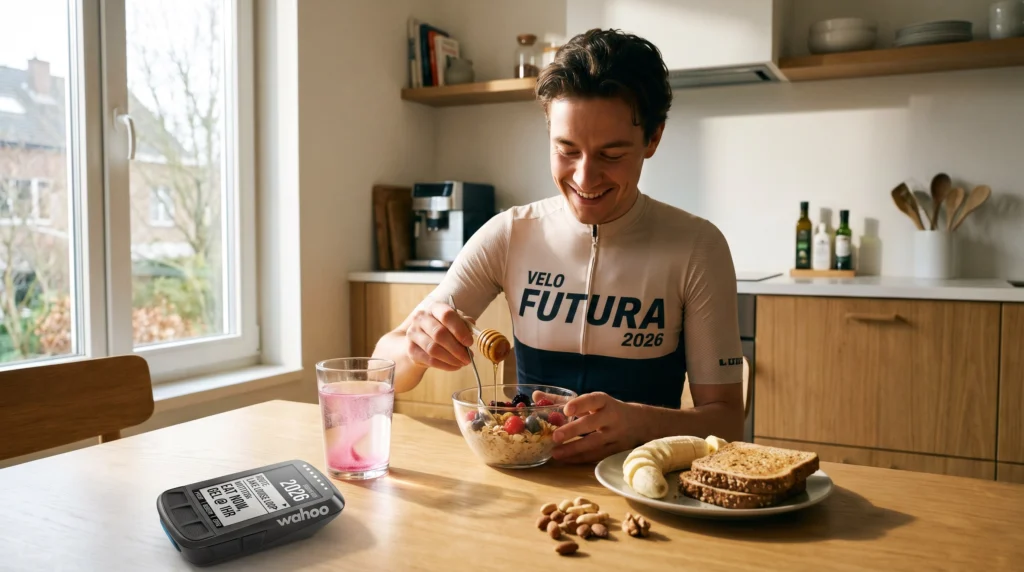
A successful nutrition strategy begins long before the pedals start turning. Pre-ride fueling is critical for topping off glycogen stores and ensuring the body is adequately hydrated. A balanced meal consumed two to three hours before a ride should be rich in complex carbohydrates, moderate in protein, and low in fat and fiber to facilitate easy digestion. Examples include oatmeal with fruit, a bagel with a small amount of peanut butter, or a bowl of rice.
Furthermore, the concept of “gut training” has gained significant traction in 2026. Just as you train your legs to push harder and your heart to pump more efficiently, you can train your digestive system to absorb carbohydrates more effectively during exercise. By gradually increasing your carbohydrate intake during training rides, you can condition your gut to handle the 60 to 90 grams per hour required for peak performance without experiencing nausea or bloating. This science of gut training is a game-changer for endurance athletes.
Post-Ride Recovery Nutrition
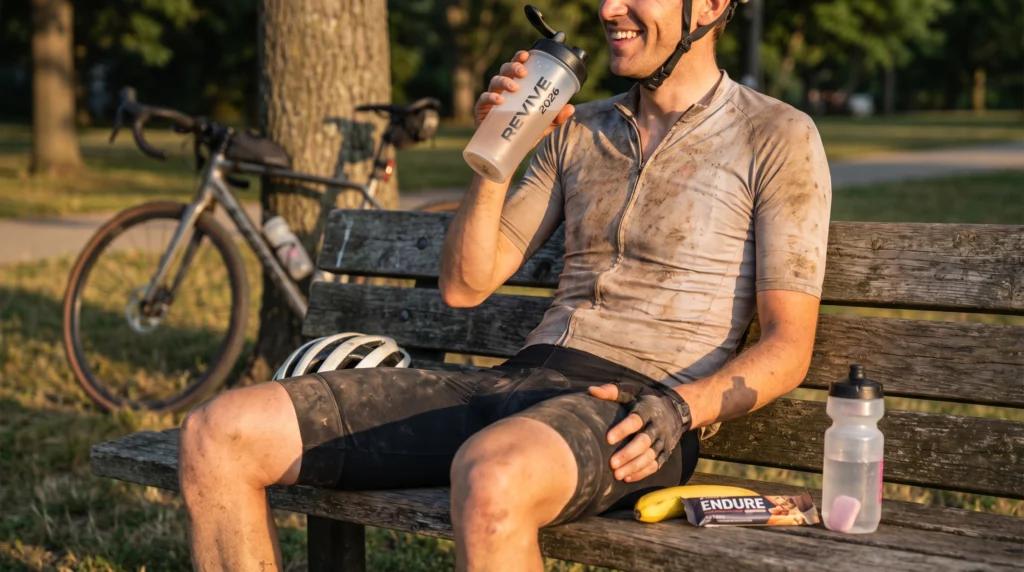
The moment you step off the bike, the recovery process begins. The “anabolic window”—the period immediately following exercise when the body is most receptive to nutrient uptake—is the optimal time to replenish depleted stores and repair damaged muscle tissue. A proper recovery meal or shake should be consumed within 30 to 60 minutes of finishing a ride. The ideal ratio is typically 3:1 or 4:1 carbohydrates to protein.
The carbohydrates serve to rapidly restock muscle glycogen, while the protein provides the essential amino acids necessary for muscle repair and synthesis. Additionally, continuing to hydrate and replace lost electrolytes is crucial during this phase. Many cyclists utilize specialized recovery drink mixes that combine these elements into a convenient, easily digestible format. Proper recovery nutrition not only reduces muscle soreness but also ensures you are ready to perform at your best during your next training session, whether you are tracking your progress with a cycling power meter or simply riding for pleasure.
Personalizing Your Nutrition Plan
It is important to recognize that there is no one-size-fits-all approach to cycling nutrition. Every rider has a unique physiology, sweat rate, and digestive tolerance. What works perfectly for a professional athlete may cause severe stomach distress for a recreational rider. Therefore, personalization is key. Cyclists should experiment with different products, timing strategies, and carbohydrate ratios during their training rides to determine what their body responds to best.
Keeping a detailed nutrition log alongside your training data can be incredibly beneficial. By tracking what you consume, when you consume it, and how you feel during and after the ride, you can identify patterns and refine your strategy over time. As we continue to learn more about nutrition and hydration for cyclists, the tools and products available will only become more sophisticated. By staying informed and listening to your body, you can develop a fueling plan that empowers you to ride stronger, longer, and with greater enjoyment in 2026 and beyond.