
The Revolution in Bike Gearing and Cassette Technology in 2026
The landscape of bicycle drivetrains has undergone a massive transformation in recent years. In 2026, drivetrain efficiency and gear selection are more customizable than ever before. The transition to 12-speed systems has become the industry standard for road, gravel, and mountain bikes. This evolution allows riders to tackle steeper climbs and maintain higher top speeds without sacrificing the smooth progression between gears. Consequently, understanding modern bike gearing and cassette technology is essential for optimizing your performance.
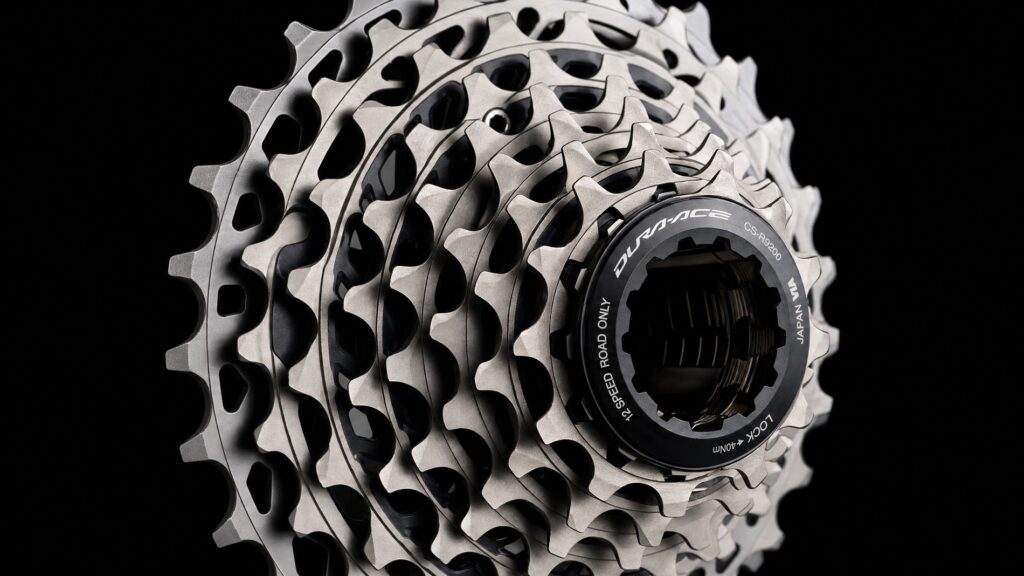
At the core of this revolution is the cassette, the cluster of gears attached to the rear wheel. The cassette dictates your mechanical advantage, determining how hard or easy it is to pedal. Historically, cyclists had to choose between a tight gear cluster for smooth shifting on flats or a wide-range cassette for climbing, often suffering from jarring jumps between gears. Today, advanced engineering has bridged this gap, offering the best of both worlds. Therefore, selecting the right cassette can dramatically improve your riding experience.
Understanding Gear Ratios and Spread
To fully grasp the benefits of modern cassettes, one must understand gear ratios. A gear ratio is calculated by dividing the number of teeth on the front chainring by the number of teeth on the rear cog. For example, a 34-tooth chainring paired with a 34-tooth rear cog provides a 1:1 ratio. This “climber’s gear” means one pedal revolution equals one wheel revolution, making steep ascents manageable. According to Bikeline’s 2026 guide, mastering these ratios is the secret to effortless pedaling.
The “spread” of a cassette refers to the difference between its smallest and largest cogs. A narrow-range cassette, such as an 11-25t, offers very small jumps between gears. This setup is ideal for flat terrain where maintaining a precise cycling cadence is crucial. Conversely, a wide-range cassette, like an 11-34t or even 10-52t for mountain bikes, provides the necessary low gears for climbing. The beauty of 2026’s 12-speed systems is that they accommodate these wide spreads while keeping the jumps between individual gears relatively small.
When choosing a cassette, consider your local terrain and riding style. If you frequently encounter steep hills, a wider spread is indispensable. However, if you primarily ride on flat roads or participate in criterium races, a narrower cassette will allow you to fine-tune your effort. Ultimately, the goal is to find a setup that keeps you in your optimal power band across all conditions.
The Rise of 1x Drivetrains and Wide-Range Cassettes
One of the most significant trends in recent years is the widespread adoption of 1x (single chainring) drivetrains. Originally popularized in mountain biking, 1x systems have now become a staple in gravel and cyclocross riding. By eliminating the front derailleur, these setups offer a simpler, more reliable mechanical experience. Furthermore, they significantly reduce the likelihood of dropped chains on rough terrain.
To compensate for the loss of the front chainrings, 1x systems rely on incredibly wide-range cassettes. It is not uncommon to see cassettes with a 10-50t or 10-52t spread. These massive cassettes provide a gear range comparable to traditional 2x systems, ensuring you have both the low gears for grinding up dirt trails and the high gears for descending. This innovation has fundamentally changed how we approach off-road gearing.
However, the trade-off with 1x systems is larger jumps between gears. While this is generally acceptable off-road, road cyclists often prefer the tighter spacing of a 2x system. Nevertheless, as cassette technology continues to advance, we may see even more versatile 1x options that cater to a broader range of disciplines. The simplicity and robust performance of 1x drivetrains make them an attractive option for many riders.

Electronic Shifting and Cassette Compatibility
The integration of electronic shifting has revolutionized how derailleurs interact with cassettes. Systems like Shimano Di2 and SRAM eTap AXS provide flawless, instantaneous shifts at the push of a button. These electronic derailleurs are programmed to move the chain precisely to the center of the next cog, eliminating the need for manual trimming and reducing wear on the drivetrain components.
When upgrading to an electronic system or replacing a cassette, compatibility is paramount. You must ensure that your freehub body matches the cassette standard, whether it is Shimano HG, SRAM XDR, or Shimano Micro Spline. As noted by Cycling Ceramic, matching these specifications is critical for proper function. Additionally, the rear derailleur must have the appropriate cage length to accommodate the largest cog on your cassette.
Electronic systems also offer customizable shifting profiles via smartphone apps. You can program the system to shift multiple gears when holding the button or set up synchronized shifting, where the front derailleur automatically adjusts based on your rear gear selection. This level of customization ensures that your drivetrain operates exactly how you want it to, maximizing efficiency and ease of use.
Materials and Manufacturing Innovations
The materials used in modern cassettes are designed to balance weight, durability, and shifting performance. High-end cassettes often utilize a combination of materials to achieve this balance. The larger cogs, which endure less torque per tooth, are frequently made from lightweight aluminum or titanium. The smaller cogs, which experience higher stress, are typically machined from hardened steel to ensure longevity.
Manufacturing techniques have also advanced significantly. Many premium cassettes are now machined from a single block of steel, creating a hollow dome structure. This design drastically reduces weight while maintaining incredible stiffness. The result is a cassette that provides crisp, responsive shifting under heavy loads, which is essential for competitive racing and aggressive climbing.
Furthermore, the tooth profiles on modern cassettes are highly engineered. They feature specific ramps and cutouts designed to guide the chain smoothly from one cog to the next. This intricate shaping, combined with advanced bike chain technology, allows for shifting even while pedaling under full power. This capability is a game-changer for maintaining momentum during steep, technical climbs.

Optimizing Your Drivetrain for the Future
As we look toward the future, the possibilities for bike gearing are expanding. We are beginning to see the emergence of bicycle gearbox drivetrains, which enclose the gearing mechanism within the frame. While still in the early stages of widespread adoption, these systems promise unparalleled reliability and protection from the elements, potentially revolutionizing how we think about bike gearing.
In the meantime, optimizing your current cassette and drivetrain setup is the best way to enhance your ride. Regular maintenance, including cleaning and lubricating the chain, is vital for preserving the life of your cassette. A worn chain will rapidly degrade the cassette teeth, leading to poor shifting and the need for premature replacement. Therefore, investing in a chain checker tool is a wise decision for any cyclist.
Ultimately, the advancements in bike gearing and cassette technology in 2026 offer riders unprecedented control over their performance. By understanding gear ratios, embracing wide-range 12-speed systems, and ensuring proper compatibility, you can tailor your bike to conquer any terrain. Whether you are a dedicated road racer or an adventurous gravel grinder, the right cassette will help you ride further, faster, and with greater efficiency.