The Evolution of Cycling Clothing and Aerodynamic Apparel in 2026
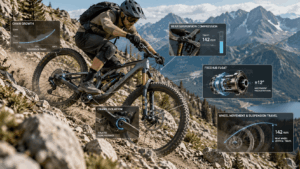
The world of cycling is constantly evolving, and the gear we wear is no exception. In 2026, the focus on aerodynamic performance has reached unprecedented levels. Professional teams and amateur riders alike are realizing that the right cycling clothing can provide significant advantages. This shift is driven by rigorous wind tunnel testing and advanced fabric technologies. Consequently, modern cycling apparel is no longer just about comfort; it is a critical component of speed and efficiency.
Historically, cyclists prioritized lightweight materials and basic moisture management. However, recent innovations have transformed how we think about our riding kits. Today, manufacturers are utilizing computational fluid dynamics (CFD) and extensive wind tunnel sessions to refine every seam and panel. This meticulous approach ensures that the clothing slices through the air with minimal resistance. Therefore, understanding these advancements can help you make informed decisions when upgrading your wardrobe.
Wind Tunnel Testing: The Science of Speed
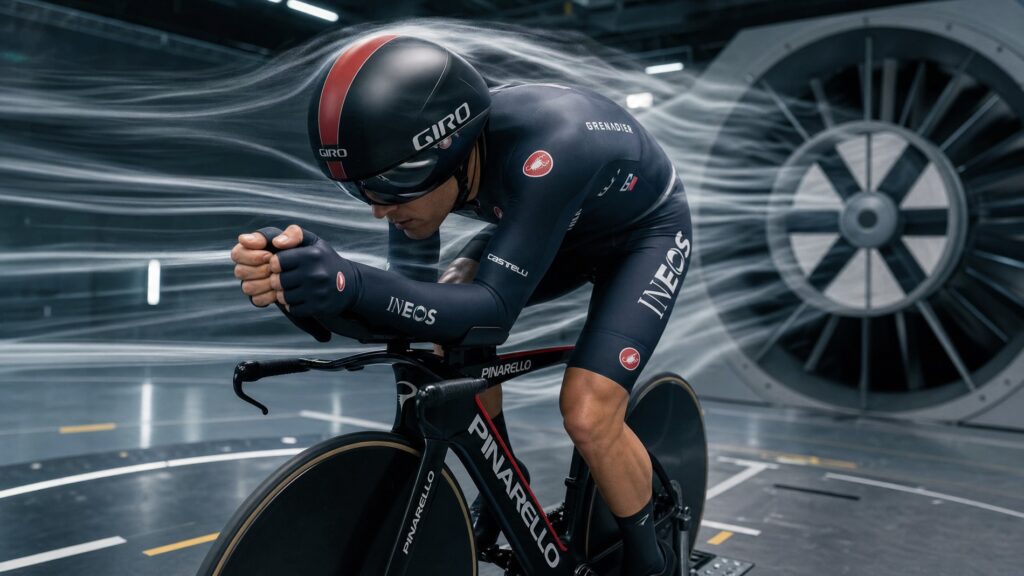
Wind tunnel testing has become the gold standard for developing high-performance cycling clothing. Facilities like the Bio Racer Wind Tunnel allow engineers to measure aerodynamic drag with incredible precision. By placing a rider in a controlled environment, they can analyze how different fabrics and cuts interact with airflow. This data is invaluable for creating garments that minimize turbulence and maximize speed.
During these tests, researchers evaluate various positions and speeds to simulate real-world conditions. They have discovered that even minor adjustments, such as repositioning a seam or altering a zipper, can yield measurable improvements. For instance, Verge Sport’s recent testing demonstrated that optimized speedsuits could save up to 20 watts during a sprint. Such gains are substantial, especially in competitive scenarios where every second counts.
Furthermore, the insights gained from professional testing are rapidly trickling down to consumer products. Brands are now offering aerodynamic jerseys and bib shorts that incorporate these pro-level features. As a result, everyday cyclists can experience the benefits of reduced drag without needing a professional contract. This democratization of technology is one of the most exciting trends in 2026.
Advanced Fabric Technologies and Materials
The materials used in modern cycling clothing are marvels of engineering. Traditional Lycra has been largely replaced by sophisticated blends designed for specific aerodynamic purposes. One notable innovation is the introduction of Polartec Power Dry with Recycled Carbon, utilized by brands like Santini. This fabric not only offers exceptional moisture-wicking properties but also enhances aerodynamic efficiency.
Surface texture plays a crucial role in how air flows over the rider’s body. Smooth fabrics are often used on the leading edges, such as the chest and shoulders, to promote laminar flow. Conversely, textured or dimpled materials are strategically placed on the trailing edges, like the back and sleeves. This intentional texturing helps to trip the boundary layer of air, reducing the wake and minimizing aerodynamic drag. It is a concept borrowed directly from golf ball design and applied to cycling apparel.
The Importance of Compression and Fit
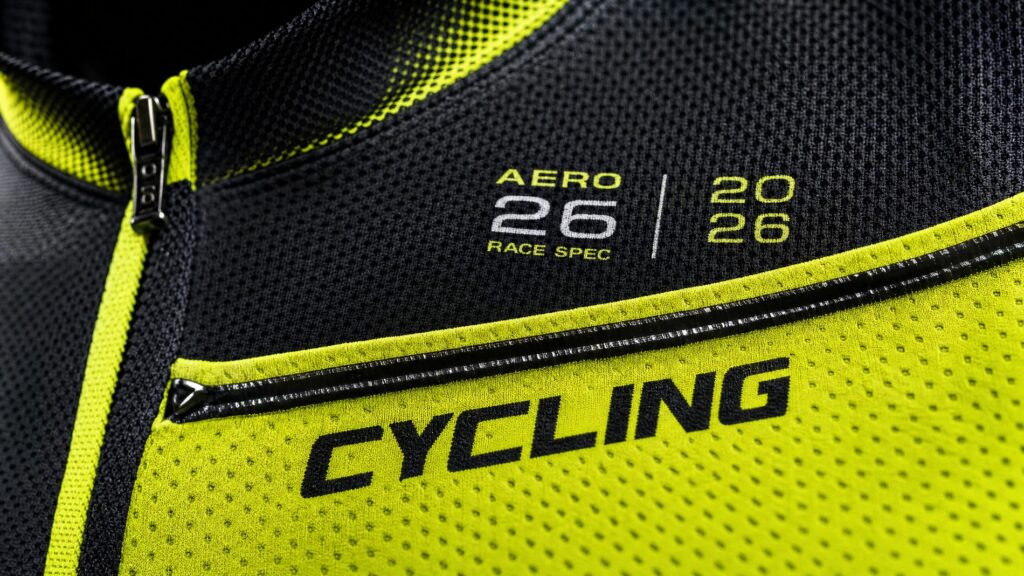
A perfect fit is arguably the most critical factor in aerodynamic cycling clothing. Even the most advanced fabrics will perform poorly if they flap in the wind. Therefore, modern apparel features an aerodynamic compression fit that hugs the body tightly. This snug fit eliminates excess material and ensures a smooth profile, which is essential for reducing drag.
Compression garments also offer physiological benefits beyond aerodynamics. They help to stabilize muscles, reducing fatigue and improving blood circulation during long rides. This dual functionality makes compression wear a staple in any serious cyclist’s wardrobe. When combined with proper cycling posture, the aerodynamic gains are maximized.
To achieve this precise fit, manufacturers are employing laser-cut panels and bonded seams. These techniques eliminate bulky stitching and create a seamless transition between the fabric and the skin. The result is a garment that feels like a second skin, providing unparalleled comfort and aerodynamic efficiency. When selecting your next kit, prioritize a race-cut fit to fully leverage these innovations.
Moisture Management and Temperature Regulation
While aerodynamics are paramount, comfort cannot be sacrificed. Effective moisture management is essential for maintaining performance, especially during intense efforts or in hot weather. High-tech fabrics are engineered to pull sweat away from the skin and disperse it across the surface for rapid evaporation. This process keeps the rider dry and helps regulate core body temperature.
Innovations in breathability have also advanced significantly. Strategic mesh panels are often integrated into areas prone to overheating, such as the underarms and back. These panels facilitate airflow without compromising the garment’s overall aerodynamic profile. Consequently, cyclists can maintain optimal operating temperatures, allowing them to push harder for longer periods.
Furthermore, some brands are exploring phase-change materials that actively absorb and release heat. These smart fabrics adapt to the rider’s body temperature, providing cooling when hot and insulation when cold. This adaptability ensures that the clothing performs exceptionally well across a wide range of environmental conditions, making it a versatile choice for year-round riding.
Integrating the Complete Aerodynamic System
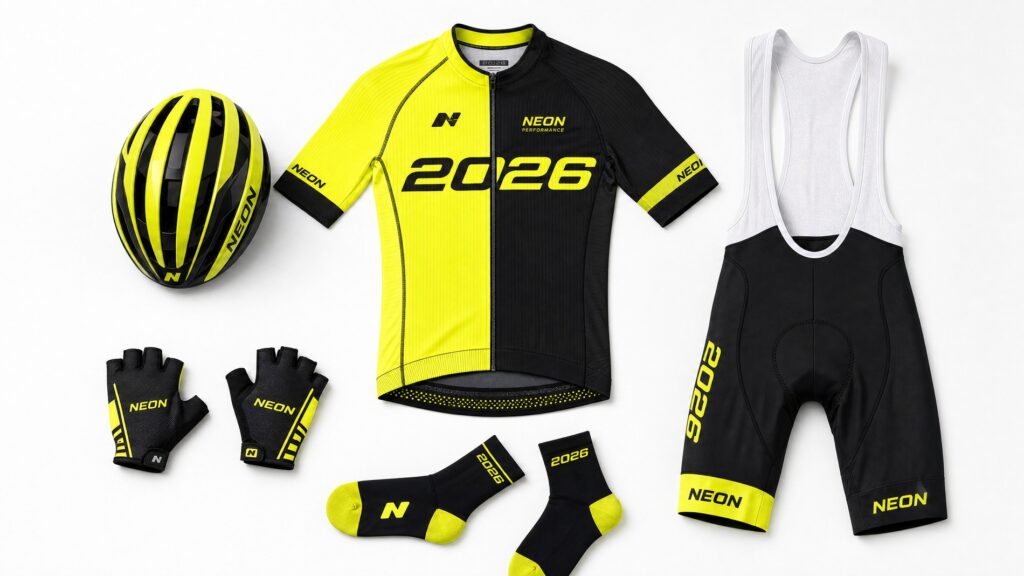
To truly optimize your speed, it is essential to view your cycling clothing as part of a comprehensive aerodynamic system. The jersey and bib shorts must work in harmony with other components, such as aerodynamic helmets and specialized footwear. When all elements are aligned, the cumulative reduction in drag can be substantial.
For example, the transition between the sleeve of the jersey and the skin is a critical area for airflow. Many modern jerseys feature elongated, laser-cut sleeves that sit flush against the arm, minimizing turbulence. Similarly, aerodynamic socks and shoe covers are designed to smooth the airflow over the lower legs and feet, an area that generates significant drag due to the pedaling motion.
Ultimately, investing in high-quality, aerodynamic cycling clothing is one of the most cost-effective ways to improve your performance. While upgrading to a new carbon wheelset or advanced braking system can be expensive, a well-designed speedsuit or aero jersey offers a remarkable return on investment in terms of watts saved. As we progress through 2026, embracing these apparel innovations will undoubtedly help you ride faster and more efficiently.