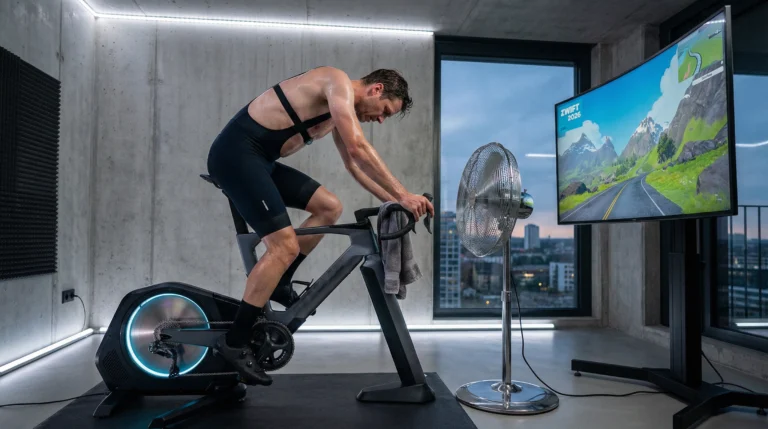
The days of staring blankly at a garage wall while spinning on a noisy, resistance-fluid trainer are long gone. In 2026, indoor cycling has evolved into a highly immersive, data-driven, and interactive experience. The “pain cave” has been transformed into a high-tech training studio, driven by rapid advancements in smart trainers and virtual cycling platforms. Whether you are a competitive racer looking to maintain fitness through the winter or a time-crunched professional seeking an efficient workout, understanding the latest indoor cycling technology is essential for maximizing your training gains.
The Rise of the Dedicated Smart Bike
While direct-drive smart trainers — where you remove your rear wheel and attach your bike directly to the unit — remain incredibly popular, the most significant hardware trend in 2026 is the rise of the dedicated smart bike. Devices like the Wahoo KICKR BIKE PRO and the Tacx NEO Bike Plus represent the pinnacle of indoor training technology.
These standalone units offer several distinct advantages over traditional trainers. First, they eliminate the need to constantly mount and unmount your outdoor bicycle, saving time and preventing wear and tear on your expensive carbon frame. Second, they offer unparalleled adjustability, allowing multiple members of a household to use the same machine with just a few quick lever adjustments. Most importantly, smart bikes provide a level of realism that is hard to match. They feature integrated physical tilt simulation — physically raising and lowering the bike to mimic the gradients of virtual hills — and highly realistic virtual shifting that can be customized to replicate Shimano, SRAM, or Campagnolo drivetrains. For a detailed review of the latest flagship models, check out Velo’s breakdown of the Wahoo Kickr Bike Pro.
Direct-Drive Trainers: More Accessible Than Ever
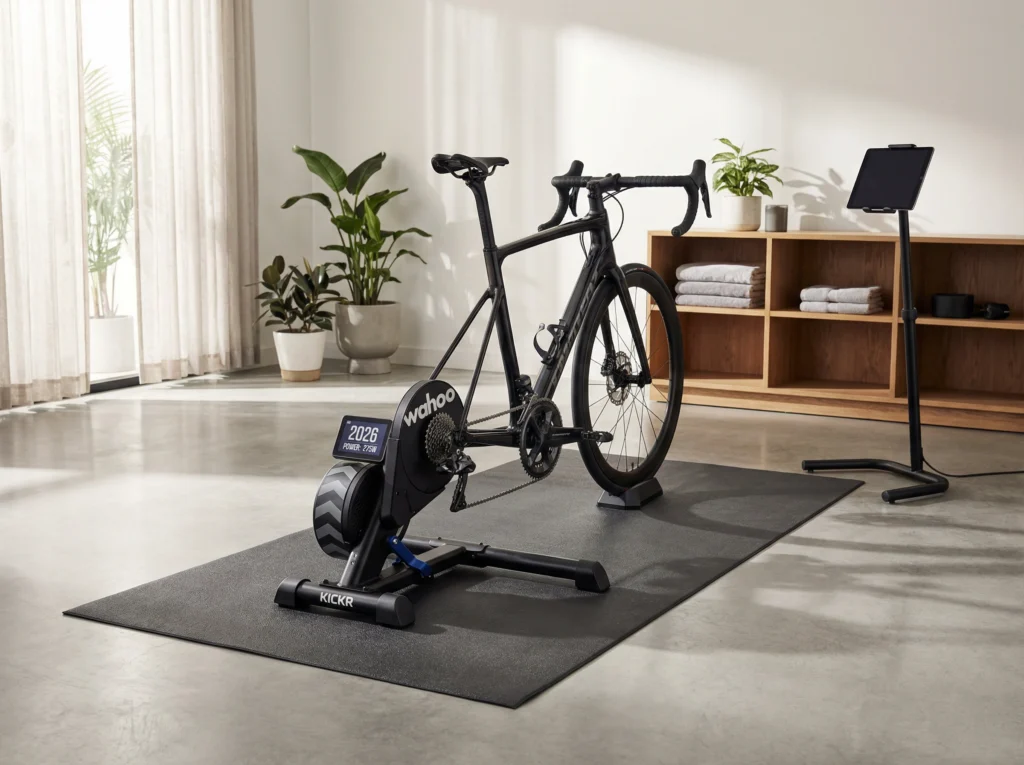
For those who prefer to train on their own bicycle or are looking for a more budget-friendly option, direct-drive smart trainers have become incredibly refined and accessible in 2026. The technology that was once reserved for top-tier models has trickled down to mid-range options.
Today’s direct-drive trainers offer power accuracy within +/- 1%, auto-calibration — eliminating the need for annoying spin-down tests — and virtually silent operation. A major innovation in this space is the widespread adoption of universal virtual shifting systems, such as the Zwift Cog. This single-sprocket design replaces the traditional cassette on the trainer, allowing almost any bike — regardless of its drivetrain speed — to be mounted instantly. The shifting is handled electronically via a wireless controller mounted on the handlebars, providing smooth, silent gear changes and eliminating chain skipping issues. If you are using a smart trainer to improve your fitness, our guide on Cycling Training: Fast Fitness with Power explains how to interpret the data these machines generate.
The Virtual Cycling App Ecosystem
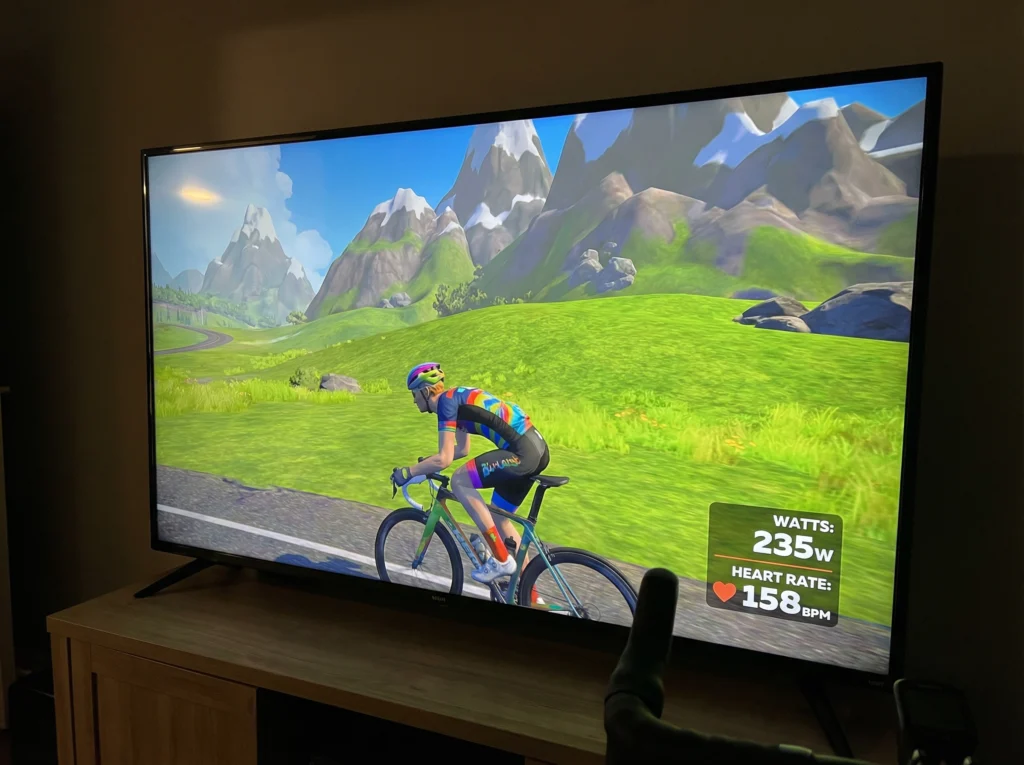
The hardware is only half of the equation; the software is what truly brings indoor cycling to life. In 2026, the virtual cycling app ecosystem is more competitive and diverse than ever. Zwift remains the undisputed giant in the space, offering a massive multiplayer online game experience where you can race, participate in group rides, or complete structured workouts in the virtual worlds of Watopia and beyond.
However, strong alternatives have emerged to cater to different preferences. Rouvy has gained immense popularity for its augmented reality approach, allowing riders to pedal through high-definition video footage of real-world routes, from the climbs of the Tour de France to scenic coastal roads. For athletes purely focused on structured training without the distraction of avatars or virtual worlds, platforms like TrainerRoad and Wahoo SYSTM offer highly personalized, AI-driven training plans that adapt daily based on your performance and fatigue levels. To explore the best software options, Triathlete Magazine recently reviewed the top 9 indoor cycling platforms of 2026.
Creating the Ultimate Pain Cave
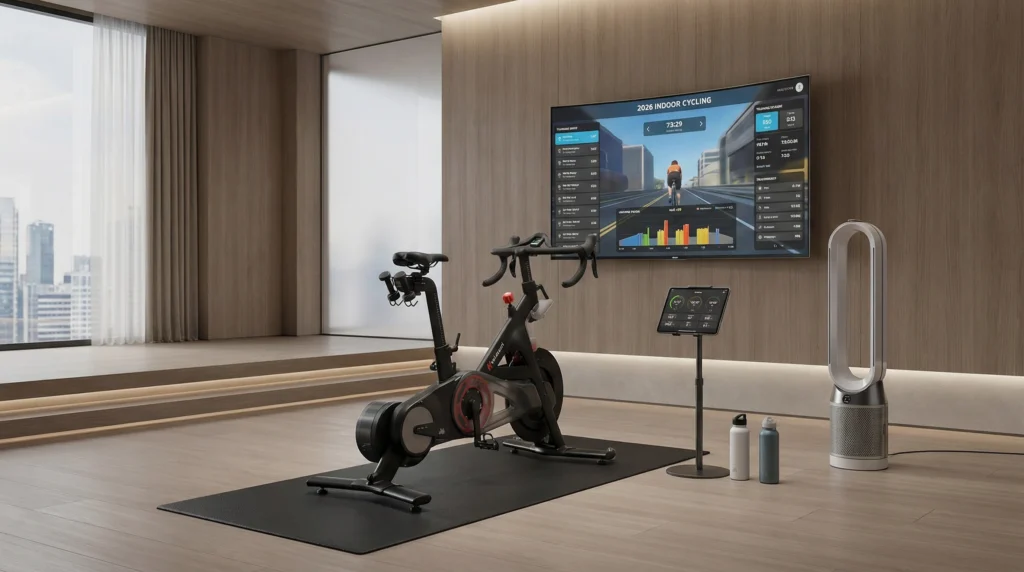
Building an effective indoor training environment requires more than just a bike and a screen. In 2026, the “pain cave” ecosystem includes a variety of smart accessories designed to enhance comfort and realism.
Cooling is arguably the most critical factor for indoor performance. Smart fans, which automatically adjust their wind speed based on your heart rate or virtual speed in the app, are now considered essential equipment. Additionally, rocker plates — platforms that sit underneath the trainer and allow the bike to sway side-to-side — significantly reduce saddle discomfort during long rides and engage core muscles, mimicking the natural movement of riding outdoors. When setting up your space, don’t forget the importance of post-ride recovery; read our Cycling Recovery and Fitness Optimization Trends to ensure you are bouncing back effectively from your indoor sessions.
Conclusion
The advancements in smart trainers and indoor cycling technology in 2026 have completely revolutionized how cyclists train year-round. By investing in the right hardware — whether a dedicated smart bike or a high-quality direct-drive trainer — and pairing it with an engaging virtual platform, you can turn the chore of indoor riding into a highly anticipated part of your daily routine. As the lines between virtual and outdoor cycling continue to blur, the modern pain cave stands as the ultimate tool for achieving your fitness goals.