The cycling industry has witnessed a massive shift toward tubeless tire systems over the past decade. However, the real game-changer in 2026 is the rapid advancement in tubeless tire sealant technology. Previously, cyclists often struggled with sealants drying out too quickly or failing to plug larger punctures. Today, innovative chemical formulations have transformed how we approach flat prevention. Whether you are navigating rugged gravel trails or speeding down smooth tarmac, understanding these new sealant technologies is crucial for a seamless riding experience.
Market analysts project the global tubeless tire market to grow significantly, reaching over $76 billion by 2034. This explosive growth is largely driven by the development of superior sealants. Manufacturers are investing heavily in research to create products that not only seal larger holes but also last longer inside the tire. Consequently, riders can now enjoy the benefits of lower tire pressures and improved traction without the constant fear of being stranded by a flat tire.
How Modern Sealants Plug Larger Punctures
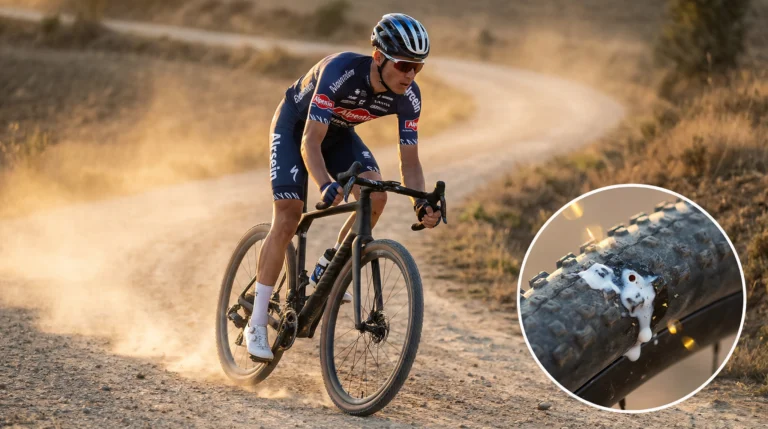
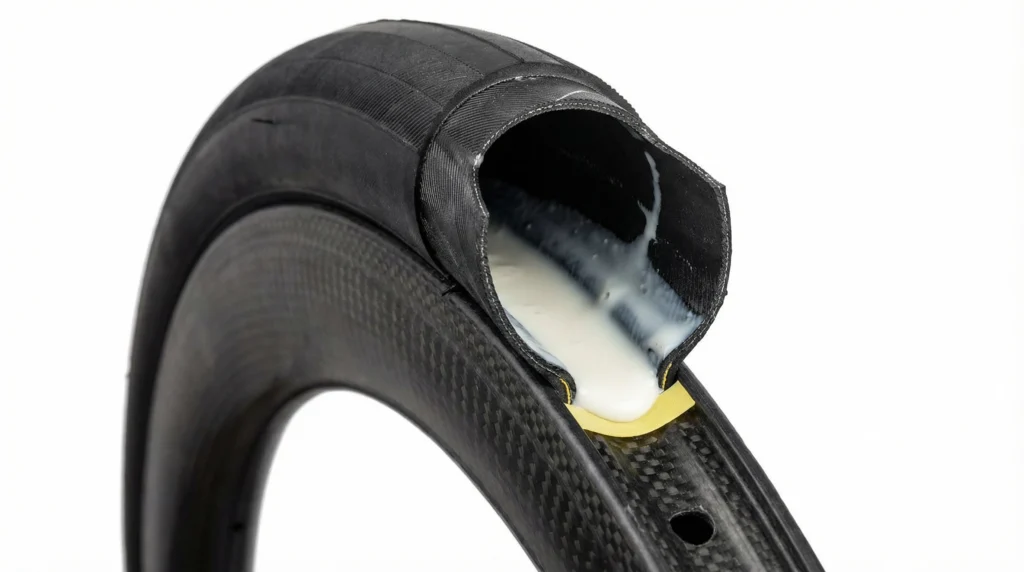
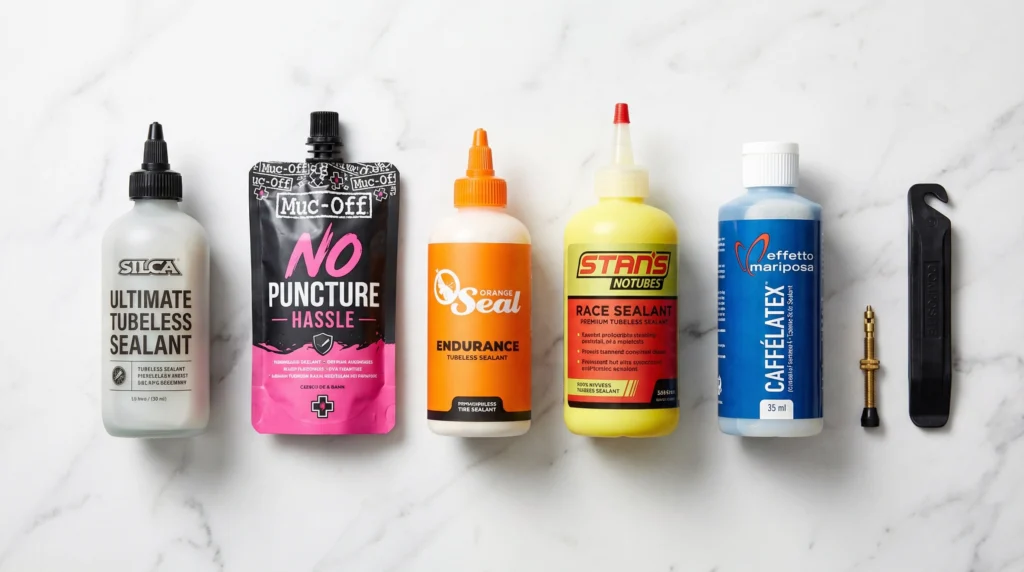
One of the most significant breakthroughs in 2026 is the ability of modern sealants to plug much larger holes than their predecessors. In the past, a 3mm puncture was often the limit for standard latex-based liquids. Now, advanced products like Silca Ultimate Sealant incorporate recycled carbon fiber particles into their mixture. These microscopic fibers act like a beaver dam, rushing to the site of the puncture and interlocking to form a robust plug. As a result, some of the latest sealants can successfully seal holes up to 8mm in diameter, depending on the tire pressure.
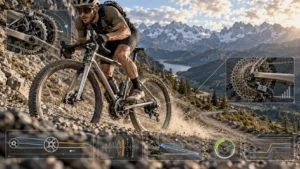
This enhanced sealing capability is particularly beneficial for gravel and mountain bikers who frequently encounter sharp rocks and thorns. When a puncture occurs, the sudden drop in pressure forces the sealant and its suspended particles into the breach. The particles quickly coagulate, creating a permanent seal that allows the rider to continue without stopping. Furthermore, this technology has proven effective even at the higher pressures typically used in road cycling, bridging the gap between off-road durability and on-road performance.
Longevity and Eco-Friendly Formulations
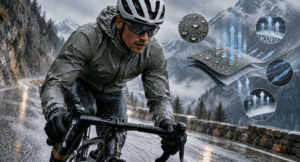
Another major focus for sealant manufacturers in 2026 is longevity. Traditional latex sealants required topping up every few months, as they would slowly dry out and form useless rubber balls inside the tire. To combat this, companies have developed synthetic and advanced natural formulations that maintain their liquid state for much longer periods. Some of the newest endurance sealants claim to last up to six months or more, significantly reducing the maintenance burden on cyclists.
In addition to longevity, there is a growing demand for environmentally friendly products. Many traditional sealants contained ammonia and other harsh chemicals that could degrade tires and harm the environment. Today, brands like Effetto Mariposa are leading the charge with vegetable-based, biodegradable sealants. These eco-friendly options provide excellent puncture protection without the toxic footprint. As the cycling community becomes more environmentally conscious, these sustainable formulations are quickly becoming the standard rather than the exception.
Best Practices for Tubeless Maintenance
Even with the most advanced sealants, proper maintenance remains essential for optimal performance. First and foremost, it is crucial to use the correct amount of sealant for your specific tire volume. A narrow road tire may only require 30-40ml, while a wide mountain bike tire might need upwards of 100ml. Using too little sealant compromises puncture protection, while using too much adds unnecessary rotational weight to your wheels.
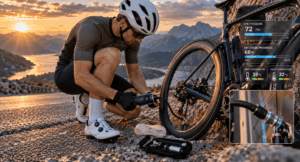
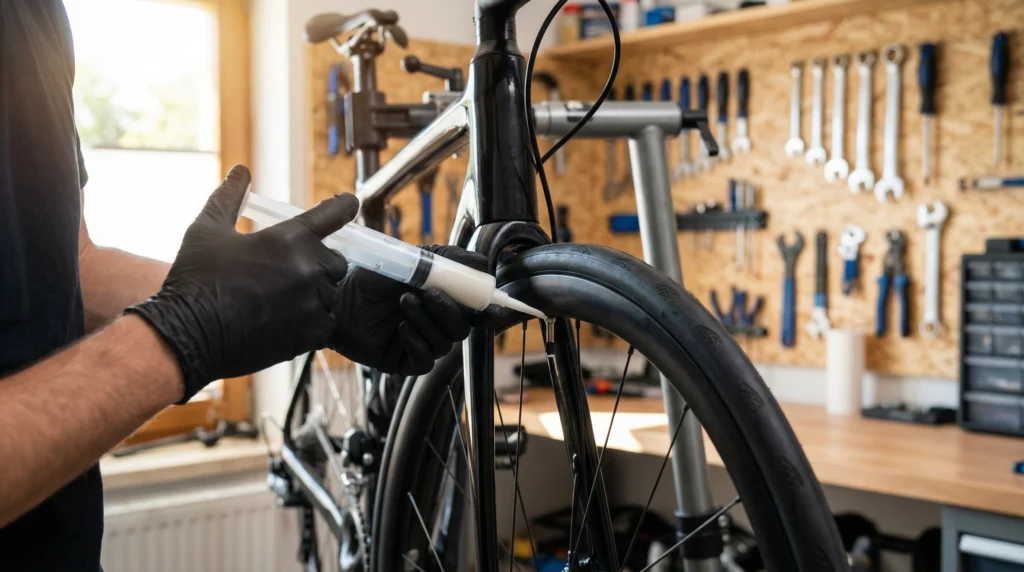
Regular inspection is also key to a reliable tubeless setup. You should periodically check the liquid level inside your tires, either by removing the valve core and using a dipstick or by simply shaking the wheel and listening for the sloshing sound. When it is time to top up, injecting the sealant through the valve stem is usually the cleanest and most efficient method. For more comprehensive maintenance advice, check out our guide on essential bike maintenance to keep your entire rig running smoothly.
Integrating Tubeless Tech with Your Riding Style
The transition to tubeless tires and advanced sealants is just one part of optimizing your cycling experience. By eliminating the friction caused by inner tubes, tubeless setups inherently lower rolling resistance. This efficiency gain pairs perfectly with other performance upgrades. For instance, if you are focused on speed, combining tubeless technology with aerodynamic cycling optimization can yield significant watt savings over long distances.
Moreover, the ability to run lower tire pressures without the risk of pinch flats dramatically improves comfort and control. This is especially noticeable on rough terrain or during long endurance rides. If you are exploring the latest gravel bike suspension technology, a reliable tubeless setup is absolutely mandatory to maximize the benefits of your suspension system. Ultimately, the peace of mind provided by modern sealants allows you to focus entirely on your ride, rather than worrying about the road debris ahead.
The Future of Puncture Prevention
Looking ahead, the evolution of tubeless tire sealant shows no signs of slowing down. We are already seeing the integration of smart technology into tire systems, where real-time tire pressure sensors can alert riders to slow leaks before they become critical issues. When combined with high-performance sealants, these smart systems offer an unprecedented level of reliability. As expert testing continues to push the boundaries of what these liquids can achieve, cyclists are the ultimate beneficiaries.
Whether you are a competitive racer or a weekend warrior, upgrading to the latest sealant technology is one of the most cost-effective improvements you can make to your bicycle. The growing market ensures that manufacturers will continue to innovate, bringing even better products to our local bike shops. By staying informed and maintaining your equipment properly, you can ensure that your next ride is smooth, fast, and completely puncture-free.
For more insights into the latest cycling innovations, be sure to explore our articles on disc brake technology and cycling eyewear. Staying up-to-date with these trends will help you make the most informed decisions for your cycling setup in 2026 and beyond.