The Future of Carbon Fiber Frame Manufacturing in 2026
The global bicycle industry is experiencing a profound technological leap in 2026, driven primarily by advancements in carbon fiber frame manufacturing. For years, carbon fiber has been the material of choice for high-performance bicycles, prized for its exceptional strength-to-weight ratio. However, the latest innovations in composite engineering, resin technology, and automated production are pushing the boundaries of what is possible. As the market for premium bicycles continues to expand, manufacturers are investing heavily in research and development to create frames that are not only lighter and stiffer but also significantly more durable and aerodynamically efficient.
This rapid evolution is transforming the way bicycles are designed and built. The days of simple carbon tubes glued together are long gone. Instead, modern frames are complex, highly engineered structures that integrate seamlessly with the rider and the environment. From ultra-high-modulus fibers to embedded smart sensors, the carbon fiber frame of 2026 is a marvel of modern engineering. In this article, we will delve into the key trends and technologies shaping the future of carbon fiber frame manufacturing.
Material Innovations: Ultra-Light and Ultra-Strong Composites
At the heart of the 2026 carbon fiber revolution is the development of ultra-light and ultra-strong composite materials. Manufacturers are increasingly utilizing higher quality carbon fibers, such as Toray T1000 aerospace-grade material, to construct frames that defy traditional weight limits. These advanced fibers possess an incredibly high tensile strength, allowing engineers to use less material while maintaining, or even increasing, the overall stiffness of the frame. This reduction in material translates directly to a lighter bicycle, which is a critical factor for competitive cyclists seeking an edge on steep climbs.
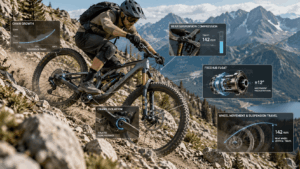
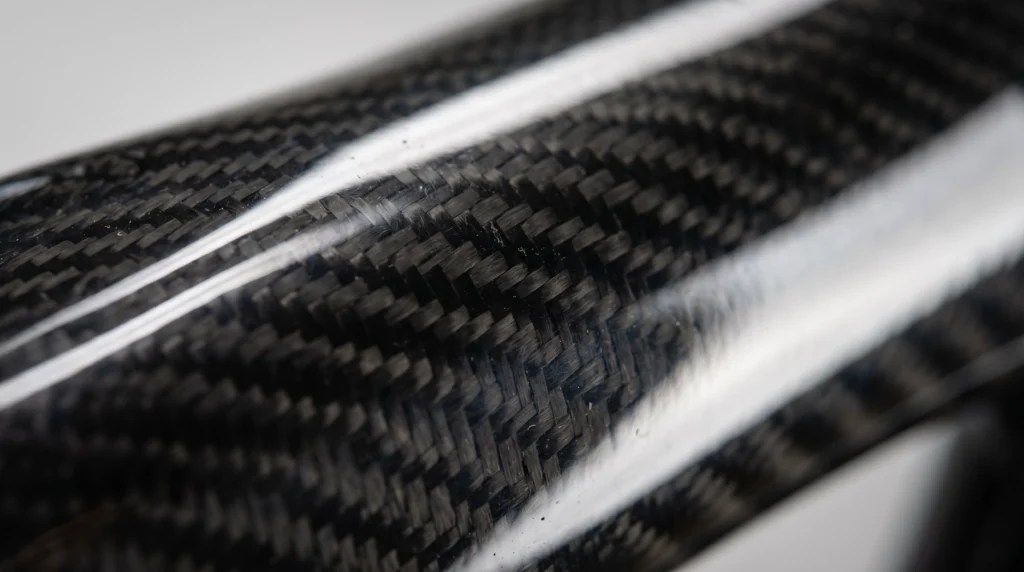
Furthermore, the way these fibers are woven together has evolved significantly. High-density weaving techniques are now standard practice in premium frame manufacturing. By tightly packing the carbon strands, manufacturers can create a more uniform and robust structure that is highly resistant to impact and fatigue. This improved durability is particularly important for off-road disciplines, where frames are subjected to extreme stress. If you are interested in how these materials perform in rugged conditions, read our analysis of E-Mountain Bike Technology and Motor Innovations in 2026.
Equally important to the carbon fibers themselves is the resin used to bind them together. In 2026, advanced resin technology has dramatically improved the bond strength between individual fibers. Older resins were often brittle, making frames susceptible to cracking under sudden impacts. The latest formulations, however, are significantly more resilient, absorbing vibrations and dissipating energy more effectively. This enhanced toughness not only extends the lifespan of the frame but also contributes to a smoother, more comfortable ride quality, which is essential for long days in the saddle.
Aerodynamic Design and Comfort Integration
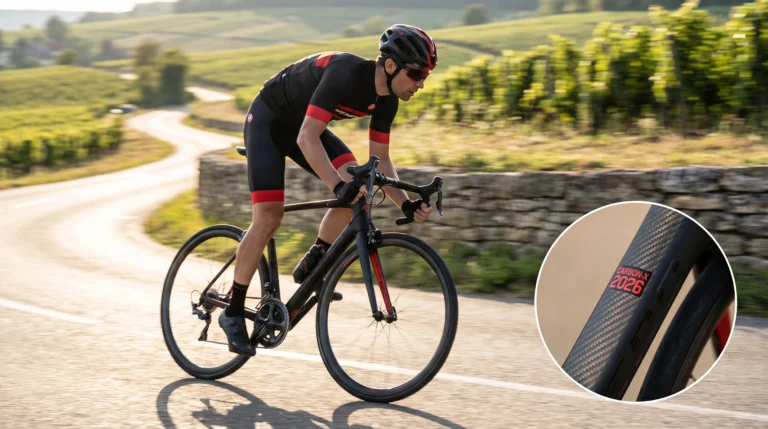
The pursuit of aerodynamic efficiency continues to dominate carbon fiber frame design in 2026. Using sophisticated computational fluid dynamics (CFD) software and extensive wind tunnel testing, engineers are sculpting frames that slice through the air with minimal resistance. Every tube shape, junction, and contour is meticulously optimized to reduce drag, making these frames ideal for time trials, triathlons, and high-speed road racing. The integration of cables and hoses internally through the handlebars and stem further cleans up the aerodynamic profile, eliminating turbulent airflow at the front of the bicycle.
However, the relentless focus on aerodynamics previously came at the expense of rider comfort. Deep-section aero tubes are inherently stiff vertically, transmitting every bump and vibration directly to the cyclist. In 2026, manufacturers have solved this dilemma by integrating comfort features directly into the aerodynamic design. By carefully adjusting the carbon layup schedule and manipulating the curvature of specific tubes, engineers can create frames that are aerodynamically efficient yet vertically compliant. This tuned flex allows the frame to absorb road chatter, reducing fatigue and keeping the rider fresher for longer.
This delicate balance between speed and comfort is a hallmark of modern frame manufacturing. For instance, dropped seat stays and specialized seatpost designs are commonly employed to provide a degree of suspension at the rear of the bike, while the massive bottom bracket and chainstays ensure that power transfer remains uncompromised. To learn more about how aerodynamic optimization affects the rider’s position, explore our guide on Aerodynamic Cycling Optimization and Bike Fit Trends 2026.
Smart Technology Integration: The Connected Frame
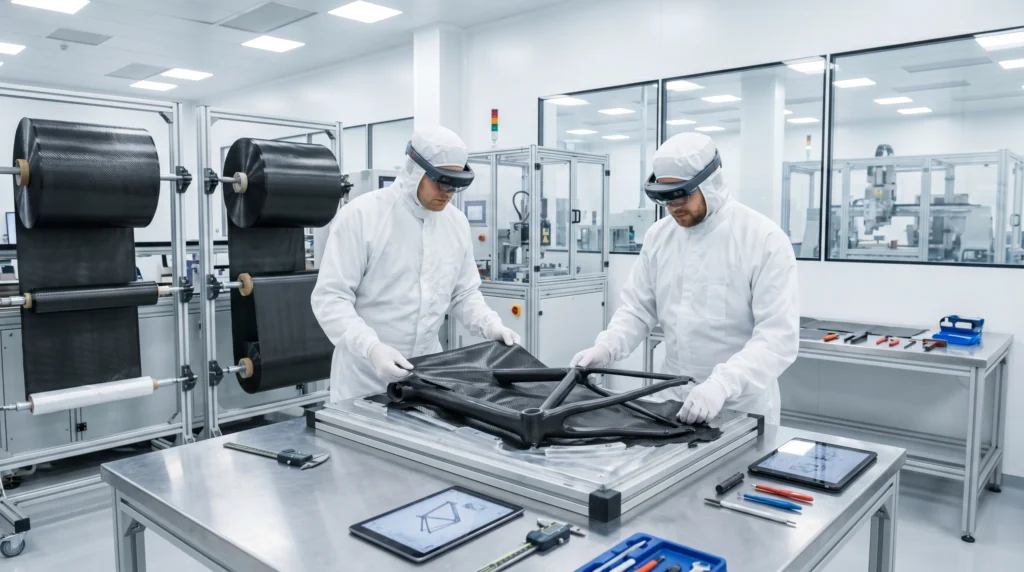
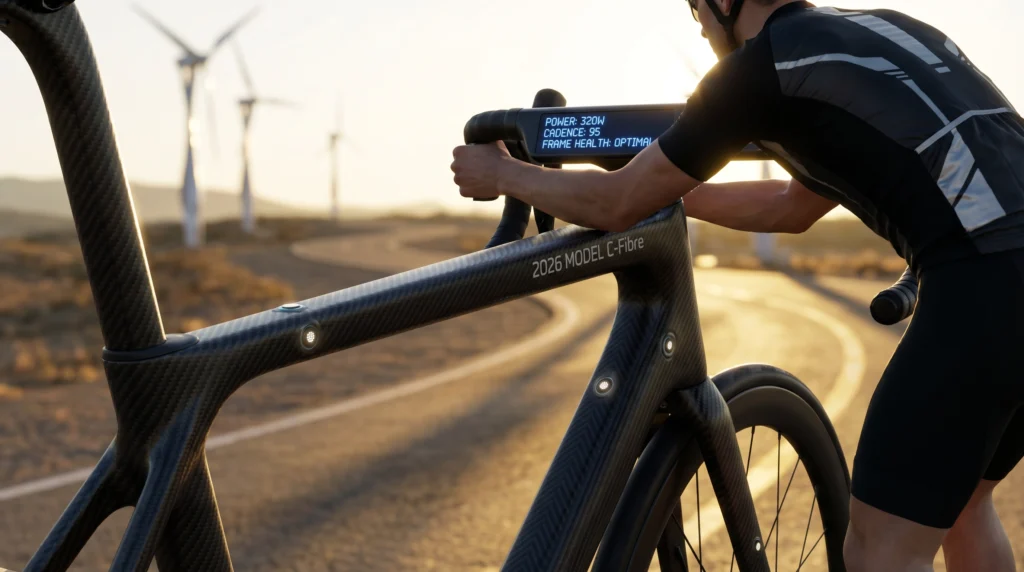
Perhaps the most futuristic trend in 2026 carbon fiber frame manufacturing is the integration of smart technology. Bicycles are no longer purely mechanical devices; they are becoming sophisticated, connected machines. Manufacturers are now embedding microscopic sensors directly into the carbon layup during the manufacturing process. These sensors can monitor a wide range of metrics, including frame stress, vibration frequencies, and even the structural integrity of the composite material itself. This real-time data provides invaluable feedback to both the rider and the manufacturer.
For the cyclist, this embedded technology offers a new level of interaction with the bicycle. Data collected by the frame sensors can be transmitted wirelessly to a head unit or smartphone app, providing insights into riding efficiency, power output, and optimal tire pressure. Furthermore, some advanced frames are incorporating augmented reality (AR) features, projecting navigation and performance data directly onto the rider’s eyewear. If you want to dive deeper into the world of cycling data, check out our comprehensive Cycling Power Meters and Training Metrics Guide 2026.
From a manufacturing perspective, embedded sensors offer a revolutionary approach to quality control and product development. By analyzing the stress data collected from thousands of connected frames in the real world, engineers can identify potential weak points and refine future designs with unprecedented accuracy. This continuous feedback loop ensures that carbon fiber frames will only become stronger, lighter, and more reliable in the years to come. Additionally, this technology can alert riders to structural damage that may not be visible to the naked eye, significantly enhancing safety.
The Competitive Landscape and Market Growth
The global market for carbon fiber bicycle frames is experiencing robust growth, driven by these technological advancements and an increasing consumer demand for premium cycling experiences. According to industry reports, the market is projected to expand from USD 1.88 billion in 2025 to USD 2.04 billion in 2026, with a compound annual growth rate (CAGR) of over 9%. This rapid expansion is fueling intense competition among manufacturers, leading to a faster pace of innovation and more diverse product offerings.
The competitive landscape is dominated by specialized material suppliers, such as Toray Industrial and Mitsubishi Rayon, who provide the raw carbon fiber to major bicycle original equipment manufacturers (OEMs). However, there is a growing trend toward vertical integration, with leading material suppliers expanding into component manufacturing through strategic partnerships. This integration allows for tighter control over the entire production process, from raw fiber to finished frame, ensuring the highest levels of quality and consistency. For a broader look at industry trends, read our overview of Road Bike Geometry and Frame Design Trends 2026.
In addition to the major players, niche companies like Enve Composites and Colnago Bikes are gaining prominence by focusing on ultra-high-performance applications and bespoke manufacturing techniques. Meanwhile, regional manufacturers in China and Taiwan continue to increase their market presence by offering cost-competitive alternatives that leverage advanced production methods. This diverse ecosystem ensures that cyclists have access to a wide range of carbon fiber frames, from affordable entry-level models to cutting-edge superbikes.
Conclusion: A New Era of Cycling
The advancements in carbon fiber frame manufacturing in 2026 represent a paradigm shift for the cycling industry. By combining ultra-light materials, advanced resin technology, aerodynamic optimization, and embedded smart sensors, manufacturers are creating bicycles that are faster, more comfortable, and more connected than ever before. As these technologies continue to mature and become more accessible, the benefits of premium carbon fiber construction will be felt by cyclists of all disciplines and skill levels.
To stay informed about the latest developments in bicycle technology, we recommend exploring the insights provided by industry leaders. You can find detailed market analysis at Accio Business, read about the newest frame releases on BikeRadar, and discover the engineering behind the materials at Toray Composite Materials. For a deep dive into aerodynamic testing, visit Specialized’s Win Tunnel, and learn about the future of connected cycling at Garmin Cycling. The future of cycling is being built today, one carbon fiber layer at a time.