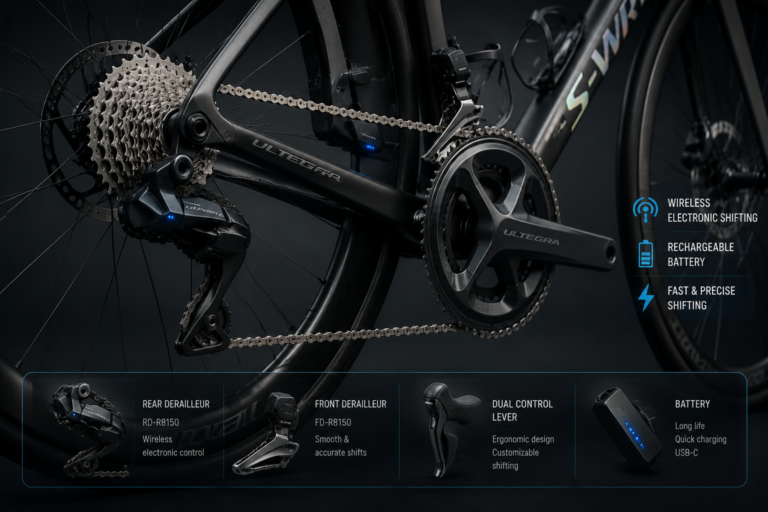
Bicycle drivetrains are entering a new era in 2026. Wireless electronic shifting systems are becoming more advanced, combining precise motor-controlled gear changes with artificial intelligence, predictive maintenance, and connected cycling platforms.
Modern riders are no longer limited to manually adjusting gears. Smart drivetrains can analyze riding conditions, rider performance, and terrain changes to deliver smoother and more efficient shifting experiences.
The Rise of Wireless Electronic Drivetrains
Traditional mechanical drivetrains rely on cables and physical adjustments to move between gears. Wireless electronic systems replace these components with electronic signals, motors, and rechargeable batteries.
Leading manufacturers such as SRAM and Shimano have developed advanced electronic shifting platforms that provide faster and more reliable gear changes.
Benefits of wireless shifting include:
- Instant gear changes
- Reduced mechanical maintenance
- Improved shifting accuracy
- Cleaner bicycle designs
- Better integration with smart cycling systems
AI-Powered Gear Optimization
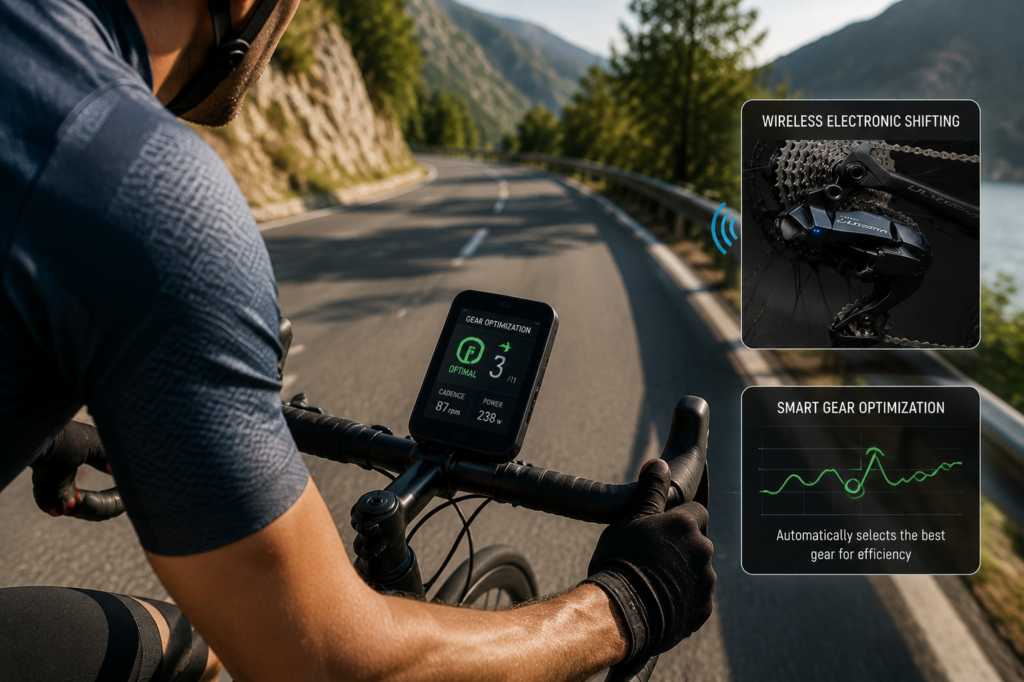
One of the biggest developments in 2026 is the integration of artificial intelligence into drivetrain systems.
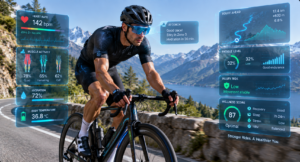
AI-assisted drivetrains can analyze:
- Current speed
- Terrain gradient
- Rider power output
- Cadence patterns
- Fatigue levels
Based on this information, the system can recommend or automatically select the ideal gear combination.
This technology works similarly to adaptive systems found in modern e-bikes, where components communicate to optimize performance. Learn more in our article about connected cycling analytics.
Automatic Shifting for Different Terrain
Smart shifting is especially valuable for gravel and adventure cyclists who frequently transition between different surfaces.
A rider moving from pavement to gravel may experience sudden changes in resistance. AI-enabled shifting systems can detect these conditions and adjust gearing automatically.
This reduces unnecessary effort and allows riders to maintain consistent cadence during long-distance adventures.
Integration With Cycling Computers
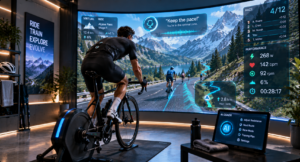
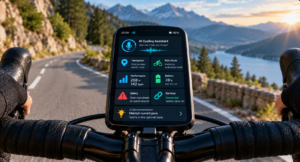
Wireless drivetrains are becoming part of larger connected cycling ecosystems. Modern systems communicate with cycling computers, smart trainers, and mobile applications.
Riders can monitor:
- Battery status
- Gear usage patterns
- Shifting performance
- Maintenance alerts
Platforms from companies like Garmin allow cyclists to connect multiple devices into one performance dashboard.
Predictive Maintenance and Component Monitoring
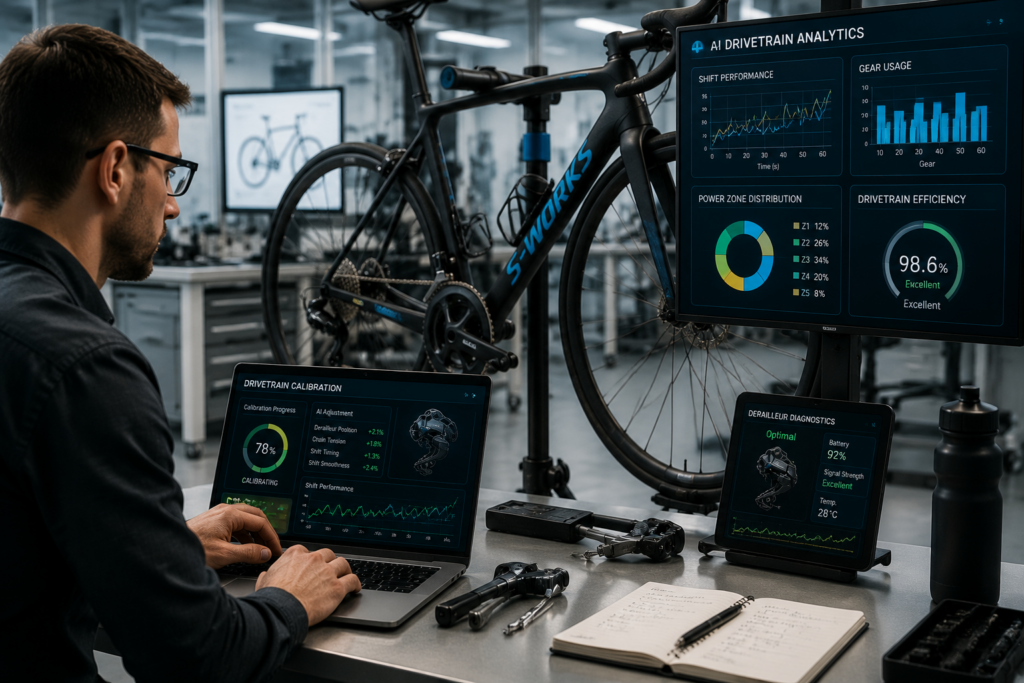
Future electronic drivetrains will use sensors to monitor component condition. Instead of waiting for shifting problems, riders may receive warnings before parts require service.
Examples include:
- Chain wear monitoring
- Battery health tracking
- Motor performance analysis
- Shift accuracy diagnostics
This approach extends component lifespan and reduces unexpected mechanical issues during important rides.
Wireless Shifting for Gravel and Adventure Bikes
Gravel cycling has become one of the biggest beneficiaries of electronic drivetrain technology. Adventure riders often face unpredictable terrain where reliable shifting is essential.
Wireless systems remove cable contamination concerns caused by mud, dust, and water, making them ideal for long-distance exploration.
For more gravel technology trends, explore our guide on Gravel Bike Technology 2026.
The Future of Smart Bike Components
Wireless electronic shifting represents only one part of the future smart bicycle ecosystem. Future bikes may combine:
- AI drivetrain management
- Adaptive suspension systems
- Smart tire pressure adjustment
- Integrated rider biometrics
- Cloud-based performance analysis
These technologies will create bicycles that continuously adjust themselves based on rider needs and environmental conditions.
Conclusion
Wireless electronic shifting technology in 2026 represents a major advancement in bicycle engineering. With AI calibration, predictive maintenance, and connected performance tracking, smart drivetrains are making cycling more efficient and enjoyable.
As electronic components continue to evolve, future bicycles will become increasingly intelligent, responsive, and personalized for every type of rider.