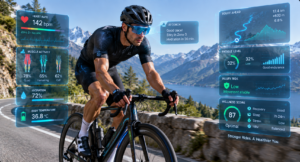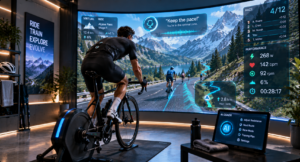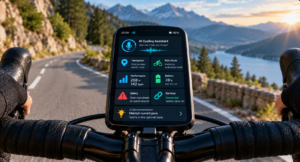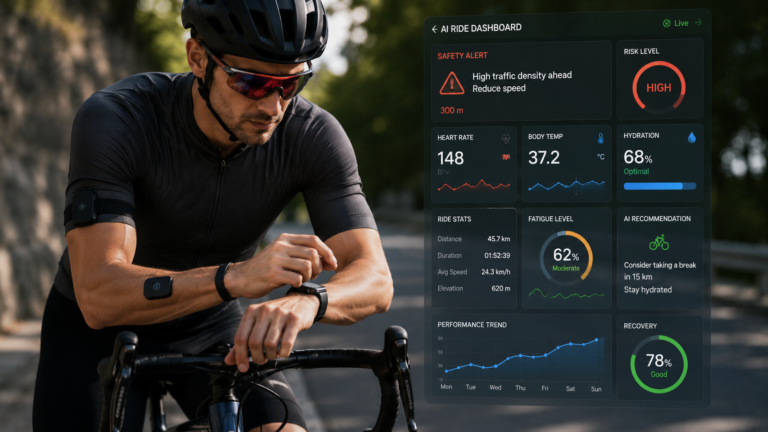
The year 2026 marks a major shift in cycling technology. Connected cycling analytics and predictive safety systems are now mainstream, helping riders avoid crashes, monitor their biometrics, and stay aware of environmental hazards in real time. These innovations aren’t just cool gadgets — they represent a new chapter of rider safety and performance optimization.
What Are Connected Cycling Analytics?
Connected cycling systems refer to integrated platforms that combine data from multiple sensors — including GPS, radar, wearables, cameras, and smart bike components — to provide real‑time insights. These systems harness artificial intelligence (AI) and machine learning (ML) to not only display data but predict risk before it becomes danger.
According to expert guides like CyclingNews Technology, these systems now blend safety, performance, and ride analytics into one cohesive dashboard.
Real-Time Predictive Safety Alerts
One of the most impactful applications is predictive hazard alerting. Advanced systems analyze data from radar sensors and AI vision cameras on bike computers or helmets, then calculate the relative speed and path of nearby vehicles before they enter a danger zone.
When integrated with a connected AR display or handlebar computer, these alerts help riders make split‑second decisions. Riders also receive warnings for:
- Approaching cars
- Crossing pedestrians
- Road obstacles like potholes
- Changing weather conditions
Industry leaders like Garmin and Wahoo Fitness are already enhancing devices with predictive notifications and safety integration.
Biometric Monitoring for Health & Performance
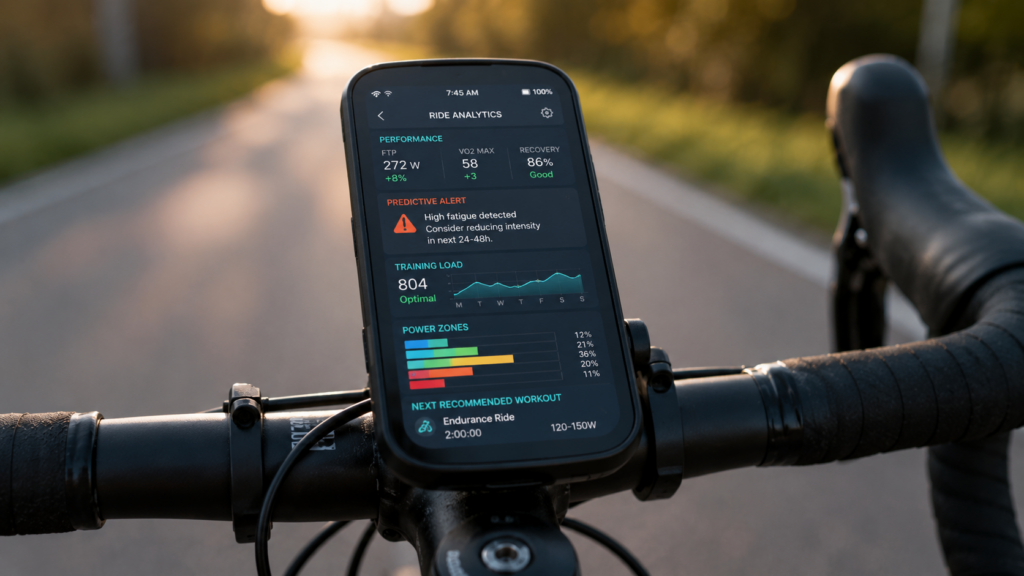
Connected cycling analytics also integrate biometric sensors to track heart rate, heart rate variability (HRV), breathing rate, and even stress levels through wearables. This data is critical not just for training, but for safety — especially in endurance events where fatigue can increase risk.
Riders can link smart watches or chest strap sensors to display live biometrics alongside route data and hazard alerts. Platforms like Strava and TrainingPeaks assist cyclists in comparing past performance to current ride stress levels.
Smart Integration With Navigation
Connected systems also integrate with navigation tools to propose safer route options. For example, an AI‑enhanced navigation app may redirect cyclists away from high‑traffic zones or suggest alternate paths when hazardous weather is detected.
These dynamic reroutes come from real‑time traffic data, user feedback networks, and weather APIs like OpenWeatherMap or AccuWeather, making rides safer and better planned.
Check out how route optimization impacts performance in our Smart Route Planning 2026 guide and how AI training influences performance in AI Cycling Training 2026.
Connected Cameras & Machine Vision
Cameras mounted on bikes can now feed continuous video into AI units that recognize hazards — everything from loose gravel to approaching cars — and prompt riders via audio cues or HUD indicators.
According to research summaries at TechCrunch AI Vision, these applications are rapidly improving and complement active safety systems.
Data Privacy & Connectivity
With all this connectivity comes a need for secure data practices. Many devices now offer encrypted wireless transmission and localized AI processing so sensitive health and location data remain private.
Cloud connectivity isn’t required for all features — many systems can operate offline and sync later when a connection is available.
Future of Connected Cycling Analytics
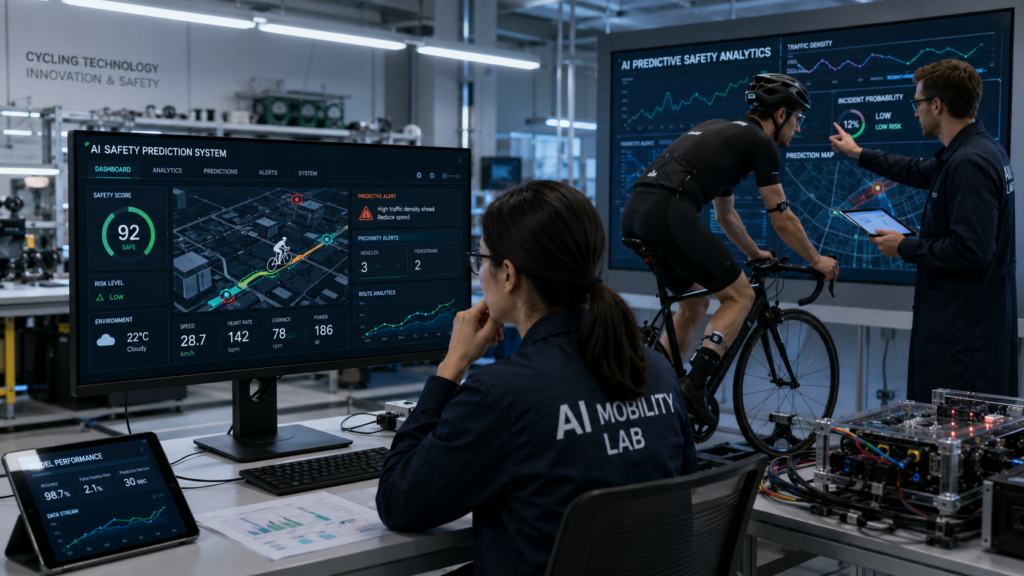
Looking forward, systems will become more predictive and personalized. Imagine AI that recognizes your fatigue trends and suggests rest or hydration stops before your performance drops, or crash detection that automatically contacts emergency services with GPS coordinates if a severe impact is detected.
These systems are part of a broader movement toward **connected safety ecosystems** that bridge smart devices, data analytics, and physical hardware for safer cycling.