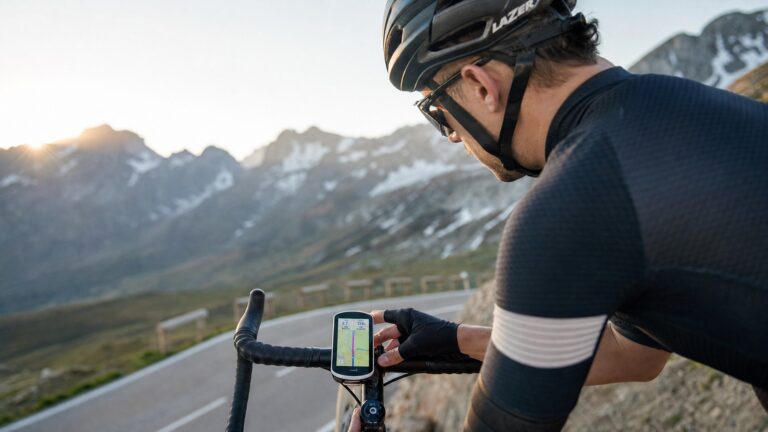
The Evolution of Cycling GPS Navigation in 2026
The days of taping paper cue sheets to your top tube are long gone. In 2026, cycling GPS navigation and smart route planning have reached unprecedented levels of sophistication. Modern bike computers are no longer just passive data loggers; they are active, intelligent co-pilots that enhance safety, optimize performance, and transform how we explore the world on two wheels. From AI-powered route generation to real-time traffic integration, the technology packed into these compact devices is truly remarkable.
Whether you are a data-obsessed racer focusing on Cycling Cadence and Pedaling Mechanics 2026 or an urban commuter navigating complex city grids, a dedicated GPS device has become an essential piece of equipment. As highlighted in BikeRadar’s comprehensive buyer’s guide, the latest devices from industry giants like Garmin and Wahoo offer features that were unimaginable just a few years ago.
Advanced Mapping and Turn-by-Turn Navigation
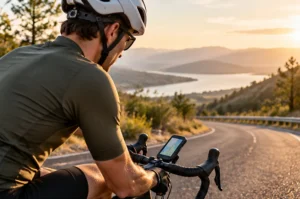
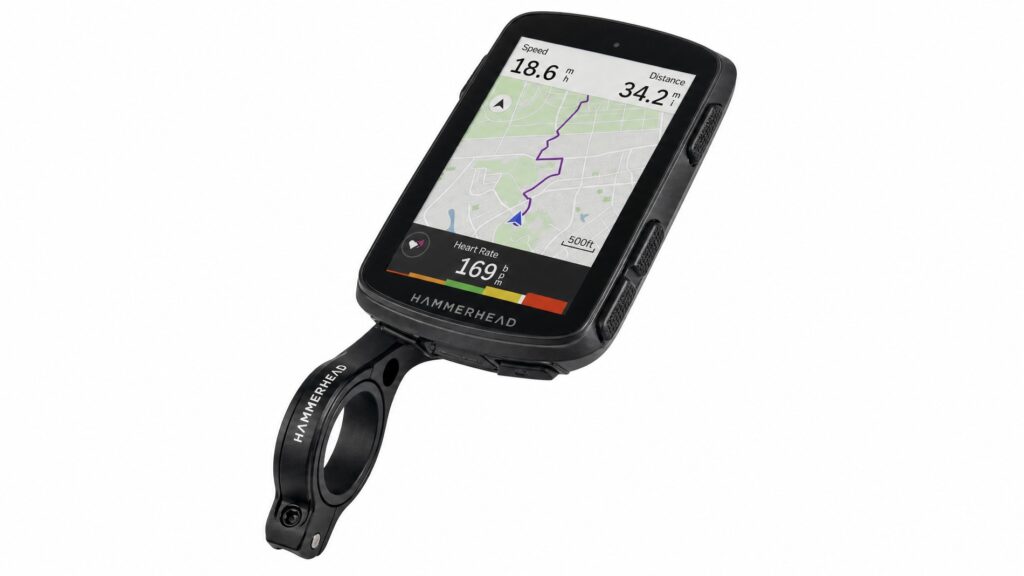
The core function of any cycling GPS is navigation, and the visual experience has improved dramatically. The best devices in 2026 feature high-resolution, full-color touchscreens that rival modern smartphones in clarity and responsiveness. These screens display incredibly detailed base maps that highlight bike-specific infrastructure, unpaved trails, and points of interest.
Turn-by-turn navigation is now standard across mid-tier and premium devices. However, the real advancement lies in rapid rerouting capabilities. If you miss a turn or encounter an unexpected road closure, modern computers instantly calculate a new, bike-friendly route to get you back on track. This is a massive improvement over older devices that would simply demand you perform a U-turn. Devices like the Garmin Edge 1050 excel in this area, offering best-in-class navigation that feels seamless and intuitive.
AI-Powered Route Optimization
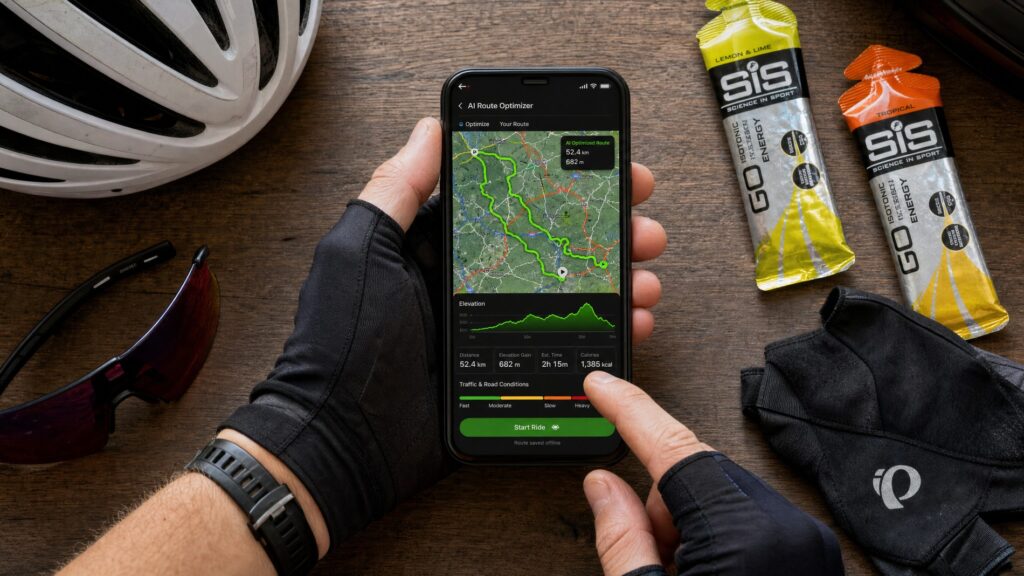
Perhaps the most exciting development in 2026 is the integration of Artificial Intelligence into route planning. Platforms like Komoot and Ride With GPS are utilizing machine learning algorithms to generate personalized routes based on your specific preferences. Instead of just finding the shortest distance between two points, AI route planners analyze millions of data points from other cyclists to determine the most enjoyable, safest, or most challenging paths.
You can now ask your routing app to generate a 50-mile loop that avoids major highways, includes at least 2,000 feet of climbing, and prioritizes smooth tarmac. The AI will instantly create a custom route that perfectly matches your criteria. Furthermore, as noted by BikeRadar’s analysis of AI in cycling, these systems learn from your riding history, continuously refining their recommendations to suit your evolving fitness level and riding style.
Real-Time Traffic and Safety Integration
Safety is a paramount concern for all cyclists, especially those navigating urban environments. The latest GPS technology addresses this by integrating real-time traffic data directly into the navigation experience. By syncing with your smartphone, your bike computer can alert you to heavy congestion, accidents, or construction zones ahead, automatically suggesting alternative routes to keep you moving safely.
This connectivity extends to hardware integrations as well. Modern GPS units seamlessly pair with radar taillights, providing visual and audible alerts on your screen when vehicles are approaching from behind. Additionally, live tracking features allow friends and family to monitor your exact location in real-time. In the event of a crash, built-in incident detection can automatically send an emergency message with your GPS coordinates to your designated contacts, a crucial feature for Bike Commuting Technology Urban Cycling 2026.
Performance Metrics and Training Integration
While navigation is critical, modern bike computers are also incredibly powerful training tools. They serve as the central hub for all your on-bike sensors, connecting via ANT+ and Bluetooth to power meters, heart rate monitors, and electronic drivetrains. This allows riders to monitor their Cycling Training and Performance Optimization metrics in real-time.
Premium devices go beyond simply displaying numbers; they analyze the data to provide actionable insights. Features like dynamic VO2 max estimation, training load focus, and recovery time advisors help you train smarter, not just harder. For example, your GPS might analyze your recent rides and suggest that you focus on Cycling Recovery and Muscle Regeneration 2026 rather than attempting a high-intensity interval session.
Battery Technology and Solar Charging
All these advanced features require significant power, which historically led to frustratingly short battery life. However, 2026 has seen major breakthroughs in power management. Devices like the Wahoo Elemnt Roam 3 offer extensive runtimes that can easily handle multi-day bikepacking trips without needing a recharge.
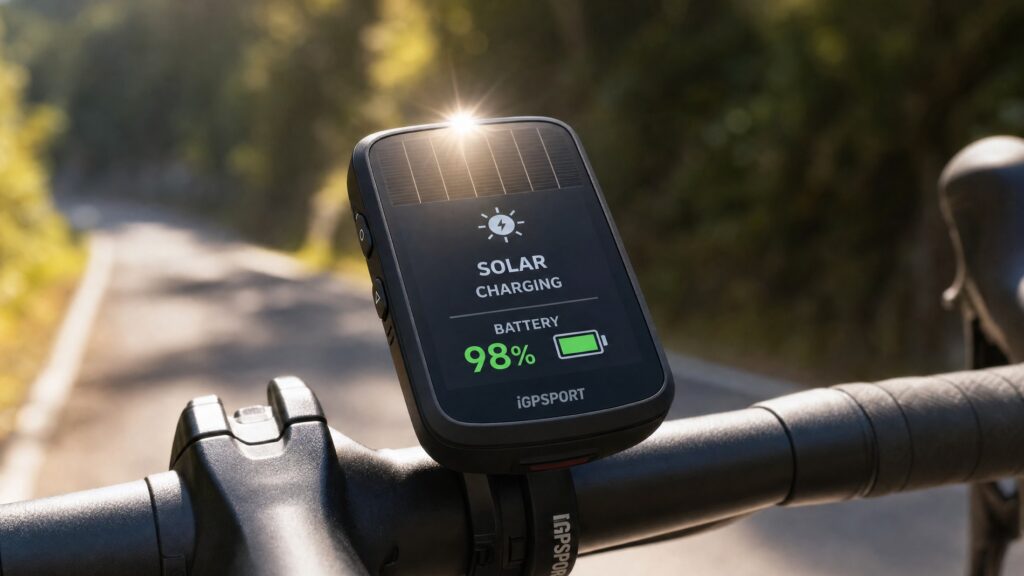
The most innovative solution to battery anxiety is the integration of solar charging technology. Devices equipped with solar glass screens can harvest energy from the sun while you ride, significantly extending the battery life. In optimal conditions, solar charging can add hours of runtime to your device, making it an invaluable feature for ultra-endurance athletes and touring cyclists.
As we embrace the future of cycling technology, it is clear that GPS navigation and smart route planning will continue to evolve. By integrating AI, real-time data, and advanced performance metrics, these devices are empowering cyclists to explore further, train smarter, and ride safer than ever before.