The Evolution of Cycling Power Meters in 2026
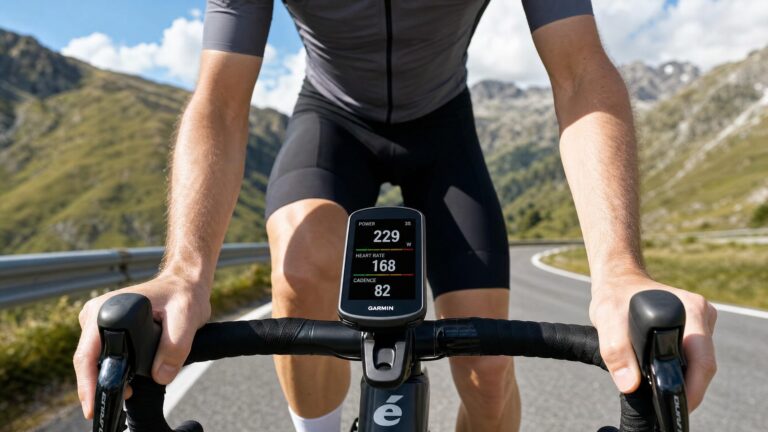
The landscape of cycling performance is undergoing a massive transformation as we move deeper into 2026. Riders are no longer relying solely on heart rate or perceived exertion to guide their training. Instead, cycling power meters have become the absolute gold standard for measuring effort and optimizing performance. These precision instruments measure the exact amount of mechanical work you are putting into the pedals, expressed in watts. Consequently, power data provides an objective, real-time metric that is completely unaffected by external variables like wind, temperature, or fatigue.
Understanding how to leverage this technology is critical for anyone looking to improve their speed and endurance. Whether you are a seasoned racer focusing on Cycling Cadence and Pedaling Mechanics 2026 or an enthusiastic amateur, a power meter offers unparalleled insights into your fitness. As highlighted by BikeRadar’s comprehensive guide, the market has expanded significantly, making this once-exclusive technology accessible to a much broader range of cyclists.
Types of Power Meters Available Today
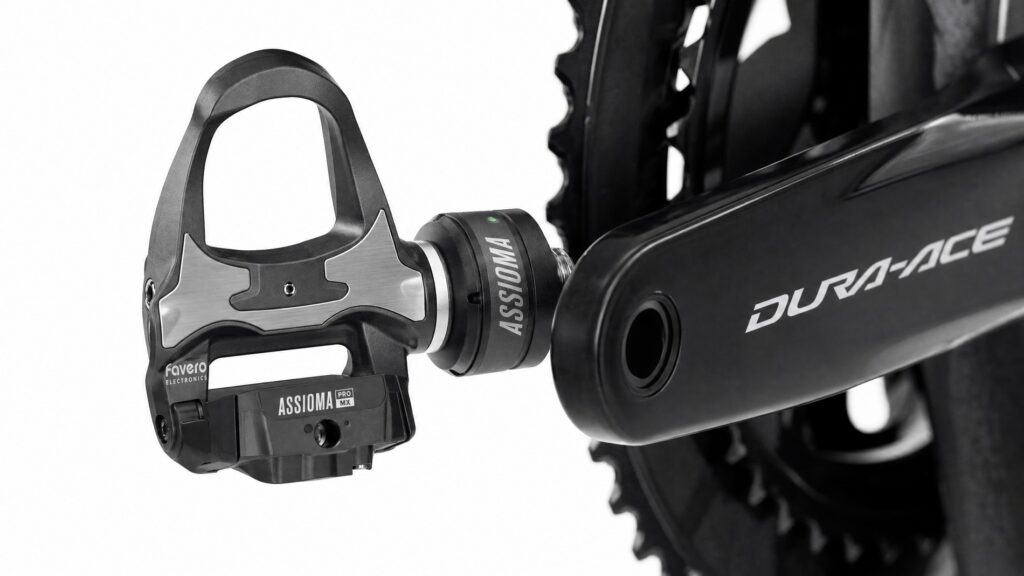
Before diving into the data, it is essential to understand the different types of power meters available in 2026. The most popular and versatile option is the pedal-based power meter. These systems, such as the Favero Assioma PRO MX, house the strain gauges directly inside the pedal spindle. Pedal power meters are incredibly easy to install and swap between different bikes, making them a favorite among riders with multiple setups.
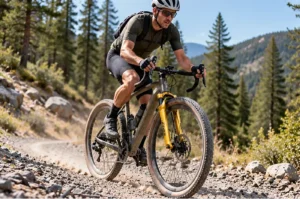
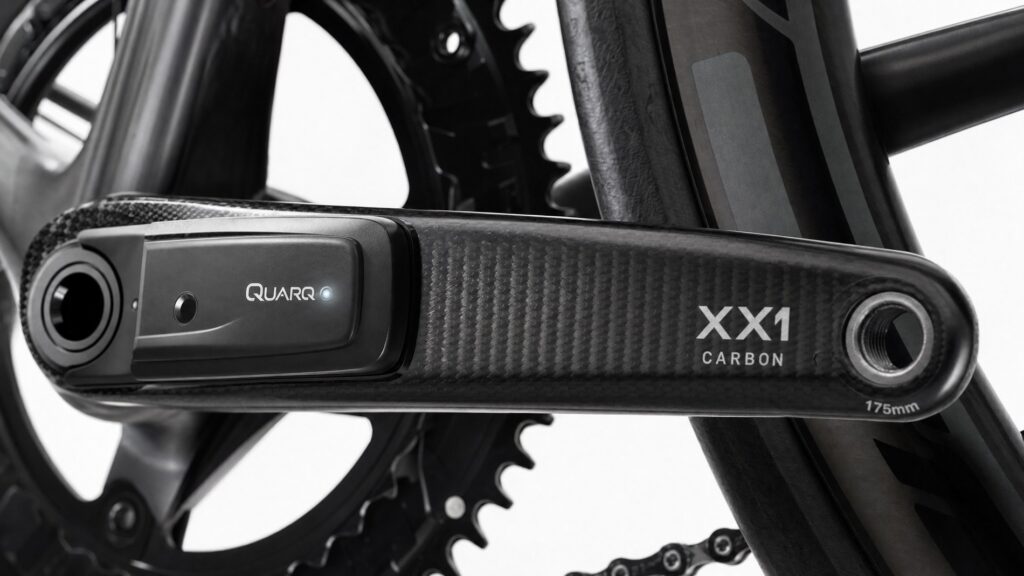
Another highly accurate option is the crank-arm power meter. Brands like Quarq and Stages integrate the sensors directly into the crank arm or spider. These systems are known for their robust durability and consistent accuracy, often favored by professional mountain bikers and gravel riders who demand reliability in harsh conditions. Finally, hub-based power meters, while less common today, still offer a viable solution for riders who prefer to keep their drivetrain completely stock.
The Importance of Dual-Sided Measurement
When selecting a power meter, you will encounter both single-sided and dual-sided options. Single-sided meters measure the power generated by your left leg and simply double the value to estimate your total output. While this is generally sufficient for basic training, it assumes perfect symmetry between your left and right legs, which is rarely the case for most athletes.
Dual-sided power meters, on the other hand, measure the exact output of each leg independently. This provides a wealth of advanced metrics, including left/right balance, pedal smoothness, and torque effectiveness. By analyzing this data, you can identify muscular imbalances and work on correcting them, which is a crucial aspect of Cycling Injury Prevention and Biomechanics 2026. Correcting these imbalances not only improves your overall efficiency but also significantly reduces the risk of overuse injuries.
Establishing Your Functional Threshold Power (FTP)
The foundation of all power-based training is your Functional Threshold Power, commonly referred to as FTP. Simply put, your FTP is the maximum average power you can sustain for one hour. It serves as the baseline metric for establishing all your specific training zones. To determine your FTP, you must perform a structured test, typically a grueling 20-minute all-out effort, and then calculate 95% of that average power.
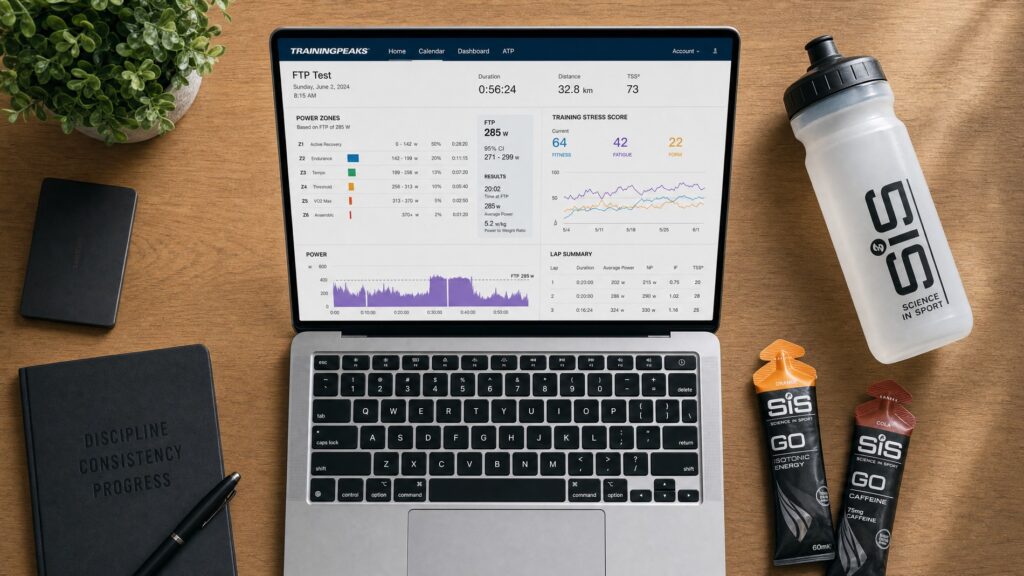
Once you have established your FTP, you can utilize platforms like TrainingPeaks to structure your workouts. Training zones range from Zone 1 (Active Recovery) to Zone 6 (Anaerobic Capacity). By spending specific amounts of time in targeted zones, you can elicit precise physiological adaptations. For example, long rides in Zone 2 build your aerobic base, while short, intense intervals in Zone 5 increase your VO2 max.
Integrating Power Data with Recovery
Training with a power meter is not just about pushing harder; it is equally about knowing when to rest. Advanced software platforms track your Training Stress Score (TSS) for every ride, which quantifies the overall physiological toll of the workout. By monitoring your cumulative TSS over weeks and months, you can manage your fatigue levels and avoid the dreaded state of overtraining.
This data-driven approach to fatigue management perfectly complements strategies for Cycling Recovery and Muscle Regeneration 2026. If your software indicates a high level of acute fatigue, you know it is time to schedule a rest day or an easy Zone 1 spin. Conversely, if your form is high and fatigue is low, you are primed for a breakthrough performance or a challenging interval session.
The Future of Performance Analysis
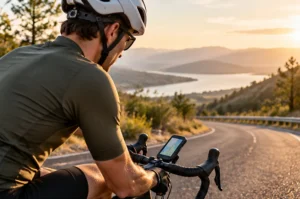
As we look toward the future, the integration of power data with other physiological metrics is becoming increasingly sophisticated. We are seeing power meters sync seamlessly with advanced Cycling GPS Navigation and Smart Route Planning 2026 devices, providing real-time pacing strategies for specific routes and climbs. Furthermore, the integration of AI into platforms like WKO5 allows for incredibly granular analysis of your unique power duration curve.
Ultimately, investing in a cycling power meter is one of the most effective ways to elevate your performance. By replacing guesswork with objective data, you can train smarter, recover better, and achieve your cycling goals with unprecedented precision. The technology available in 2026 has truly democratized elite-level training analysis, empowering every rider to unlock their full potential.