The Rise of Bikepacking and Adventure Cycling in 2026
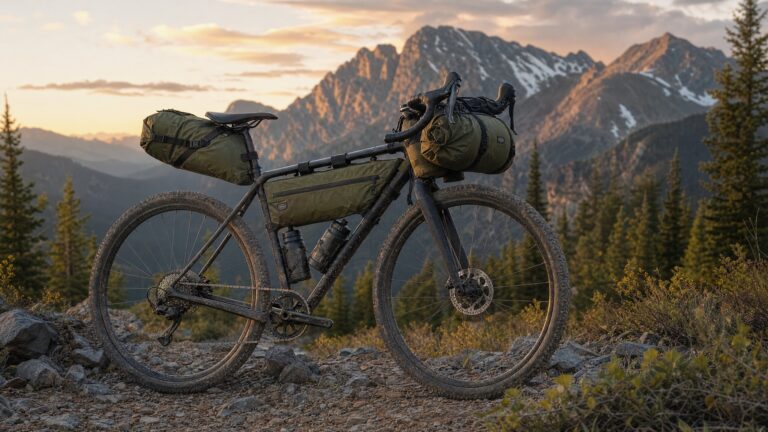
The allure of the open road has always captivated cyclists, but in 2026, the definition of that road has dramatically expanded. Bikepacking and adventure cycling have surged in popularity, transforming how we explore the world on two wheels. Unlike traditional bicycle touring, which relies on heavy metal racks and bulky panniers, bikepacking utilizes lightweight, aerodynamic bags that strap directly to the frame. This minimalist approach allows riders to navigate rugged singletrack, remote gravel roads, and challenging mountain passes that would be impossible with a traditional touring setup.
This shift toward off-road exploration has driven massive innovation in both bicycle design and gear manufacturing. Whether you are planning a weekend micro-adventure or a month-long expedition across the Great Divide, having the right equipment is absolutely essential. As detailed in Bikepacking.com’s comprehensive 101 guide, the key to a successful trip lies in optimizing your setup for weight distribution, durability, and weather resistance.
The Core Bikepacking Bag System
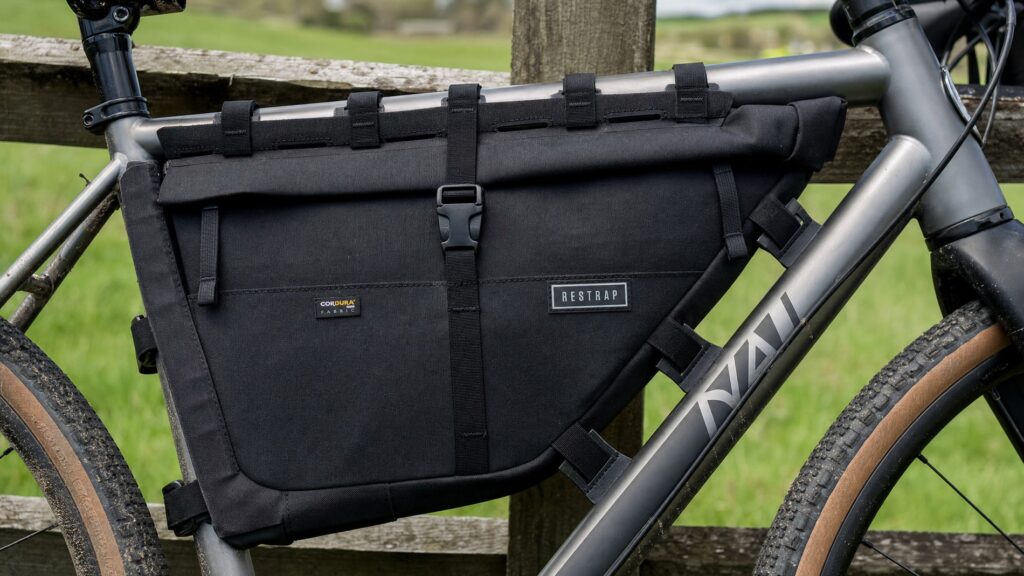
The foundation of any bikepacking setup is the bag system. In 2026, the industry standard consists of three primary components: the frame bag, the handlebar bag, and the seat pack. The frame bag occupies the main triangle of your bicycle and is the ideal location for storing heavy items like water bladders, tools, and cooking fuel. Because this weight is centered low on the bike, it has minimal impact on handling, which is crucial when navigating technical terrain.
The handlebar bag is typically a cylindrical drybag harnessed to the bars, perfect for storing bulky, lightweight items like your sleeping bag, tent, and spare clothing. Finally, the seat pack extends backward from the saddle rails. Modern seat packs from industry leaders like Apidura and Revelate Designs feature advanced anti-sway technology, ensuring the bag remains stable even when you are out of the saddle grinding up a steep climb.
Waterproofing and Material Innovation
When you are days away from civilization, keeping your gear dry is not just a matter of comfort; it is a matter of survival. The latest advancements in Cycling Clothing and Aerodynamic Apparel 2026 have heavily influenced bag manufacturing. Today’s premium bikepacking bags are constructed from ultra-durable, high-frequency welded fabrics that are 100% waterproof. Brands like Ortlieb utilize proprietary nylon materials that can withstand torrential downpours and abrasive encounters with rocks and branches.
Furthermore, these materials are becoming increasingly lightweight. The focus on reducing base weight allows riders to cover more distance with less fatigue. However, this minimalist approach requires careful packing and a strict adherence to the “less is more” philosophy. Every item you pack must serve a distinct purpose, and ideally, multiple purposes.
Bicycle Selection and Geometry
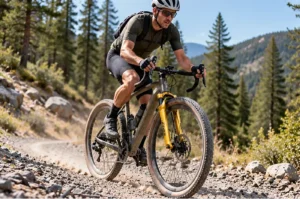
While you can technically bikepack on any bicycle, purpose-built adventure bikes offer significant advantages. Gravel bikes and hardtail mountain bikes are the most popular choices in 2026. These frames feature relaxed geometry designed for stability and comfort over long distances, a topic explored deeply in Bike Fit and Geometry Optimization for Performance 2026. They also include numerous mounting points (braze-ons) on the fork and frame for attaching additional cargo cages and water bottles.
Tire clearance is another critical factor. Adventure bikes now routinely accommodate massive 50mm gravel tires or 2.4-inch mountain bike tires. As discussed in Bike Tire Technology and Tread Pattern Innovations 2026, running wider tires at lower pressures provides essential suspension and traction when navigating loose, rocky surfaces fully loaded.
Route Planning and Navigation
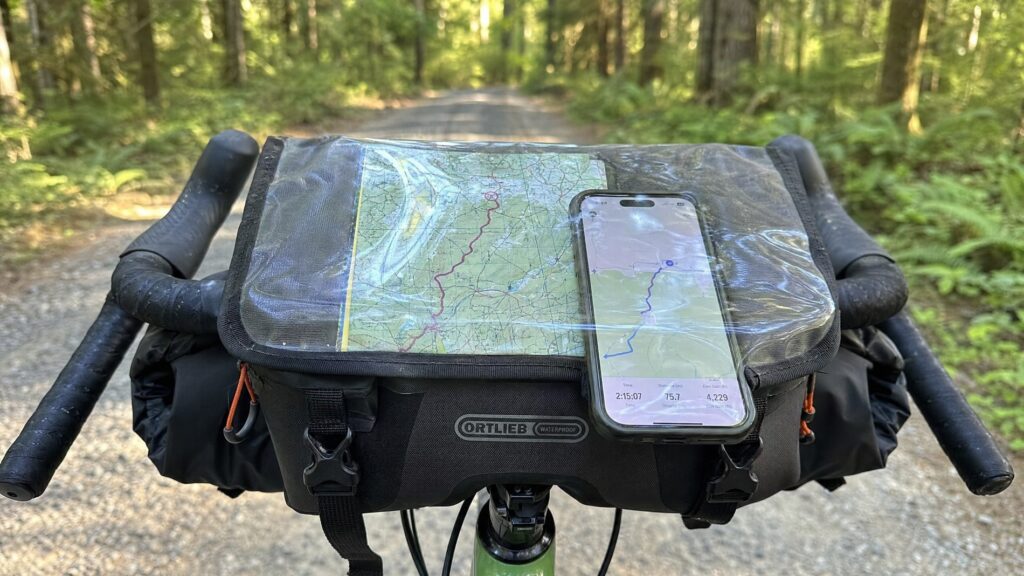
The spirit of bikepacking is rooted in exploration, but venturing into the wilderness requires meticulous planning. Fortunately, route planning tools have evolved significantly. Platforms like Ride With GPS and Komoot offer extensive databases of user-generated off-road routes, complete with elevation profiles, surface types, and crucial waypoints for water resupply.
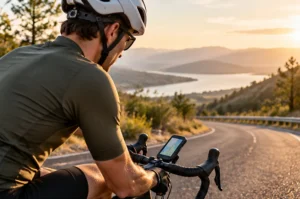
Integrating these routes with a reliable GPS device is paramount. Modern Cycling GPS Navigation and Smart Route Planning 2026 computers feature solar charging capabilities and multi-band GNSS technology, ensuring you maintain a strong satellite connection even under dense forest canopies or in deep canyons.
The Self-Sufficient Mindset
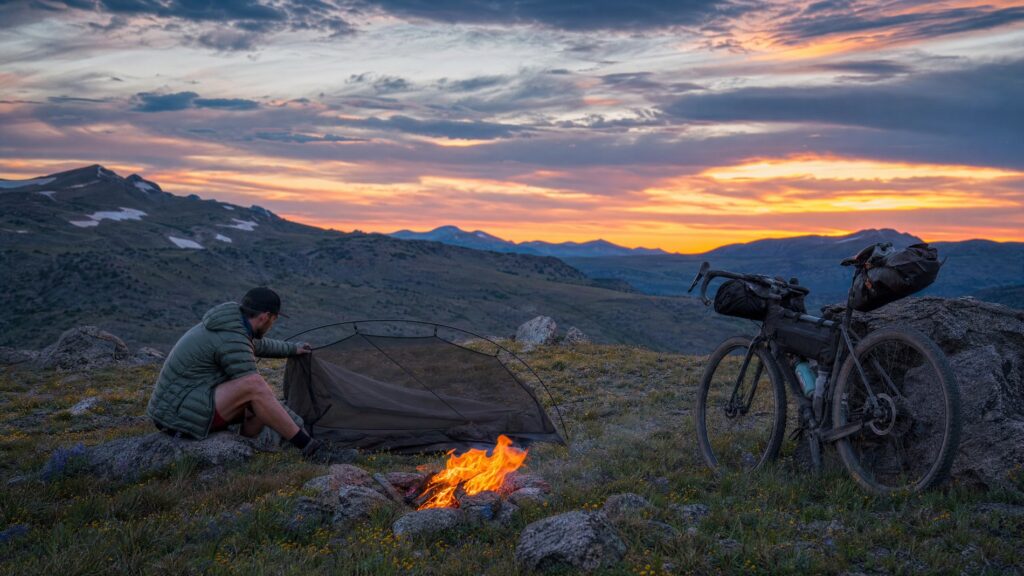
Ultimately, bikepacking is as much about mindset as it is about gear. It requires a high degree of self-sufficiency. You must be prepared to handle mechanical failures, navigate challenging weather, and manage your nutrition and hydration in remote areas. This means carrying a comprehensive repair kit, a reliable water filtration system, and understanding the principles of backcountry survival.
Despite the challenges, the rewards of bikepacking are immeasurable. It strips away the complexities of modern life, reducing your daily concerns to simply pedaling, eating, and finding a place to sleep. As you prepare for your next adventure in 2026, investing in quality gear and embracing the minimalist philosophy will ensure you are ready to tackle whatever the trail throws your way.