The Evolution of Bike Tire Technology in 2026
The landscape of cycling performance is undergoing a massive transformation as we move deeper into 2026. Riders are no longer relying on traditional clincher setups, as the industry pushes the boundaries of what is possible with rubber compounds and casing designs. The pursuit of speed, comfort, and reliability has led to significant breakthroughs in bike tire technology. Consequently, understanding these advancements is crucial for anyone looking to optimize their riding experience.
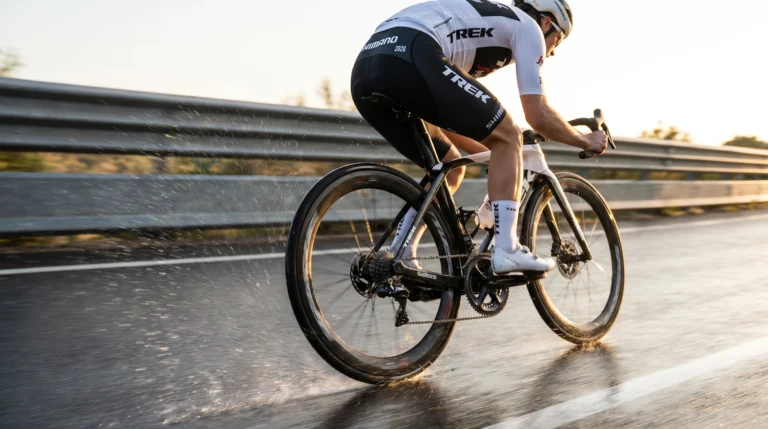
One of the most profound shifts we are witnessing is the absolute dominance of tubeless systems across all cycling disciplines. While mountain bikers adopted this technology years ago, road and gravel cyclists are now fully embracing the benefits. The elimination of the inner tube reduces friction, allowing the tire to deform more easily over road imperfections. This increased suppleness translates directly into lower rolling resistance and a noticeably smoother ride. Furthermore, the ability to run lower tire pressures without the risk of pinch flats provides a significant advantage in both comfort and traction.
Tubeless Innovations and Puncture Protection
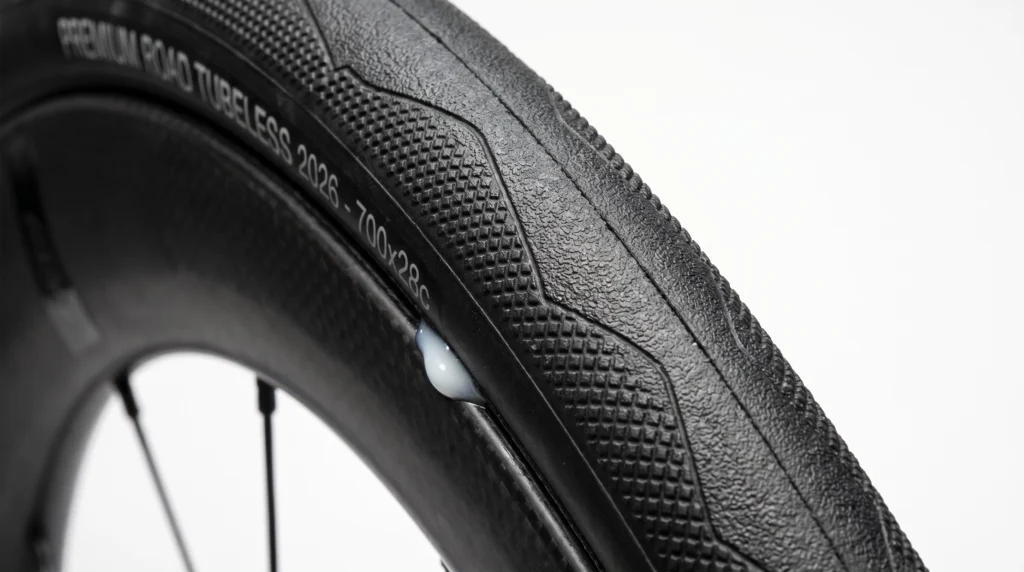
The transition to tubeless has not been without its challenges, particularly regarding installation and sealing. However, manufacturers have made remarkable strides in 2026 to address these issues. Modern tubeless tires feature refined bead designs that seat more easily on a wider variety of rims. Additionally, advancements in sealant formulations mean that punctures are sealed faster and more reliably than ever before. For riders who prioritize durability, tires like the latest models seen at Paris-Roubaix incorporate advanced puncture protection layers, such as Vectran breakers, which offer exceptional resistance to cuts and tears without adding excessive weight.
Interestingly, the debate between hookless and hooked rims continues to shape tire development. While some brands are pushing hookless designs for their aerodynamic and manufacturing benefits, others are maintaining hooked profiles to ensure broader tire compatibility. This ongoing evolution highlights the importance of matching your tires to your specific wheelset. If you are exploring upgrades, it is worth considering how these tire advancements integrate with other components, such as Disc Brake Technology and Hydraulic Innovations 2026, to create a cohesive and high-performing bicycle.
The Science of Tread Patterns
Tread pattern design is another area where science and engineering are making significant impacts. The most obvious difference between tires is the tread pattern, which comes in all shapes and sizes, from massive tread blocks to completely slick surfaces. For road cyclists, the focus remains on minimizing rolling resistance while maintaining adequate grip in wet conditions. The science of tire tread dictates that a smooth center ridge provides the lowest rolling resistance on hard surfaces, while micro-texture or siping on the shoulders enhances cornering grip.
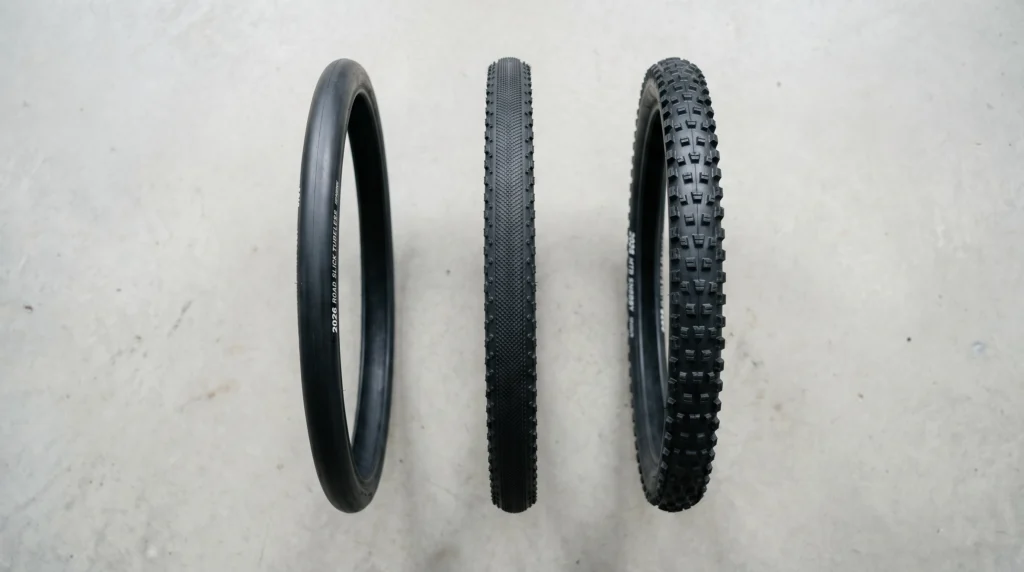
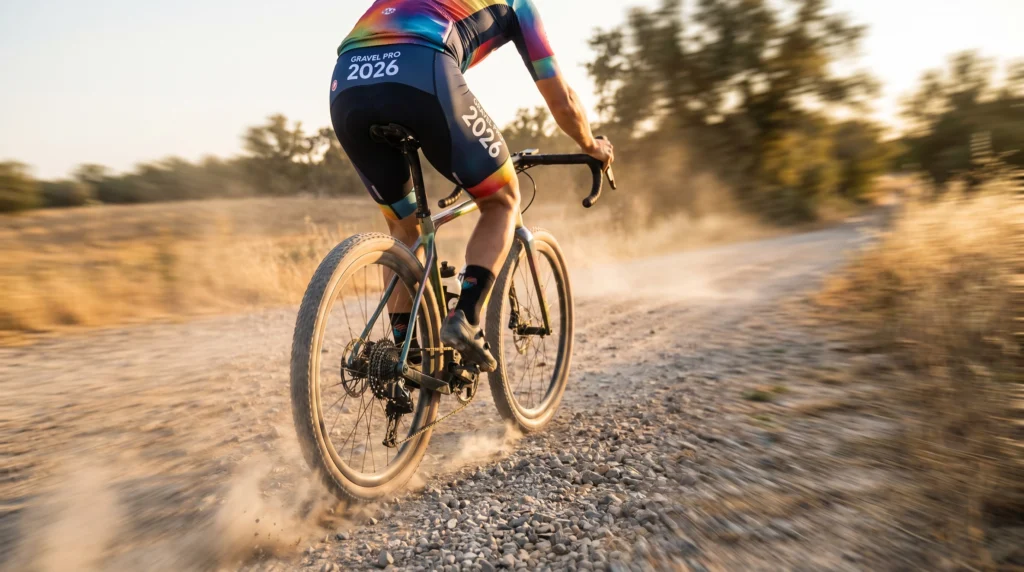
In the rapidly growing gravel segment, tread design becomes even more critical. Gravel tires must balance the need for speed on paved sections with the requirement for traction on loose dirt and rocks. Semi-slick designs with a fast-rolling center and aggressive side knobs are incredibly popular in 2026. These tires allow riders to maintain momentum on the road while providing confidence-inspiring grip when the terrain gets rough. Understanding how different tread patterns interact with various surfaces is essential for selecting the right tire for your intended riding style. This knowledge is just as important as understanding Cycling Power Meters and Training Metrics Guide 2026 when aiming to improve your overall performance.
Rolling Resistance and Compound Optimization
Beyond the physical tread pattern, the rubber compound itself plays a massive role in a tire’s performance. Manufacturers are utilizing advanced materials science to create compounds that offer the holy grail of tire characteristics: low rolling resistance, high grip, and excellent durability. Multi-compound tires are becoming the standard, featuring a harder, faster-rolling rubber in the center of the tread and a softer, grippier compound on the shoulders for cornering.
The optimization of these compounds is often achieved through rigorous testing, both in the lab and in real-world conditions. Industry predictions for 2026 suggest that we will see even more specialized compounds tailored to specific weather conditions and surface types. For instance, some tires are designed specifically for cold, wet weather, utilizing compounds that remain pliable at lower temperatures to maximize grip. This level of specialization allows riders to fine-tune their setup for the exact conditions they expect to encounter.
Choosing the Right Tire for Your Ride
With so many advancements in bike tire technology, selecting the right tire can feel overwhelming. The key is to honestly assess your riding style, the terrain you frequent, and your performance goals. If you are a dedicated road racer, a lightweight, slick tubeless tire with minimal rolling resistance is likely your best choice. Conversely, if you spend your weekends exploring unpaved backroads, a wider gravel tire with a versatile tread pattern will serve you better.
It is also important to consider the width of your tires. The trend towards wider tires continues in 2026, with 28mm and 30mm becoming the norm for road bikes, and gravel bikes frequently accommodating tires 40mm and wider. Wider tires offer increased air volume, which allows for lower pressures, resulting in a more comfortable and compliant ride. This shift towards wider rubber is a testament to the industry’s recognition that comfort and speed are not mutually exclusive. As you upgrade your tires, you might also want to look into Pedal Technology and Innovations for 2026 to ensure your entire drivetrain is optimized for maximum efficiency.
Ultimately, the advancements in bike tire technology in 2026 offer riders unprecedented levels of performance, comfort, and reliability. By understanding the benefits of tubeless systems, the science of tread patterns, and the importance of compound optimization, you can make informed decisions that will significantly enhance your cycling experience. Whether you are chasing personal records on the tarmac or exploring new trails in the wilderness, the right tires will help you get there faster and more comfortably. For more insights on how technology is shaping the future of cycling, check out our article on the importance of tread pattern on cycle tyres.