The Wearable Technology Revolution in Cycling 2026
The intersection of human physiology and digital technology has reached an unprecedented level of integration in 2026. For cyclists, this means that the data we use to train, recover, and perform is no longer limited to what the bicycle itself can measure. Cycling wearable technology and smart sensors have evolved from basic heart rate straps into sophisticated biometric laboratories that we wear on our bodies. These devices provide real-time, actionable insights into our internal physiological state, fundamentally changing how we approach the sport.
Whether you are a professional athlete optimizing Cycling Recovery and Muscle Regeneration 2026 or a dedicated amateur looking to avoid overtraining, the latest wearables offer a competitive edge that was previously only available in specialized sports science facilities. As highlighted by BikeRadar’s analysis of modern sensors, the focus has shifted from simply collecting data to interpreting it intelligently.
Smart Cycling Glasses and Heads-Up Displays
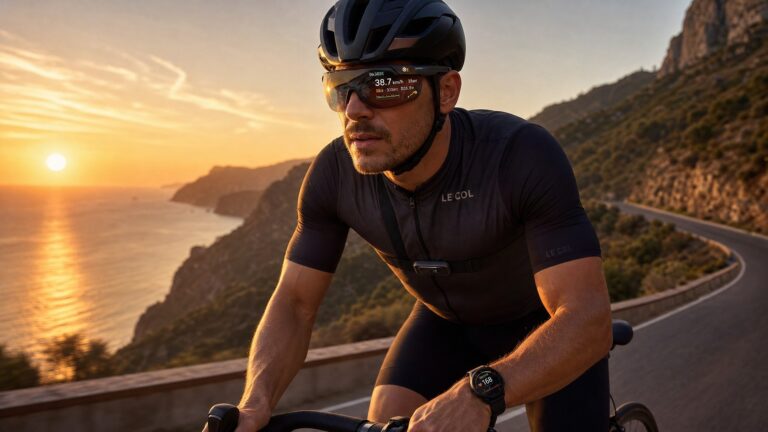
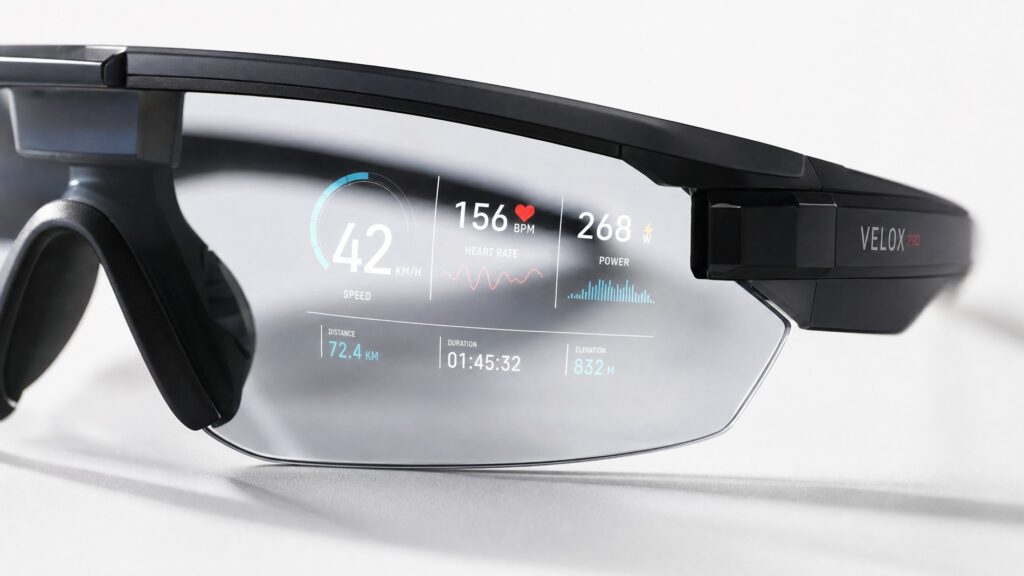
Perhaps the most visually striking advancement in 2026 is the mainstream adoption of smart cycling glasses featuring Heads-Up Display (HUD) technology. Brands like Engo Eyewear and Oakley have successfully miniaturized projection systems, allowing critical ride data to be displayed directly in the rider’s field of vision. This means you no longer need to take your eyes off the road to check your speed, power output, or navigation cues.
These smart glasses connect seamlessly via Bluetooth and ANT+ to your existing Cycling GPS Navigation and Smart Route Planning 2026 devices. The safety implications are massive, particularly when navigating technical descents or riding in tight pelotons where looking down at a head unit can be dangerous. Furthermore, the latest models feature photochromic lenses that instantly adjust to changing light conditions, ensuring optimal visibility at all times.
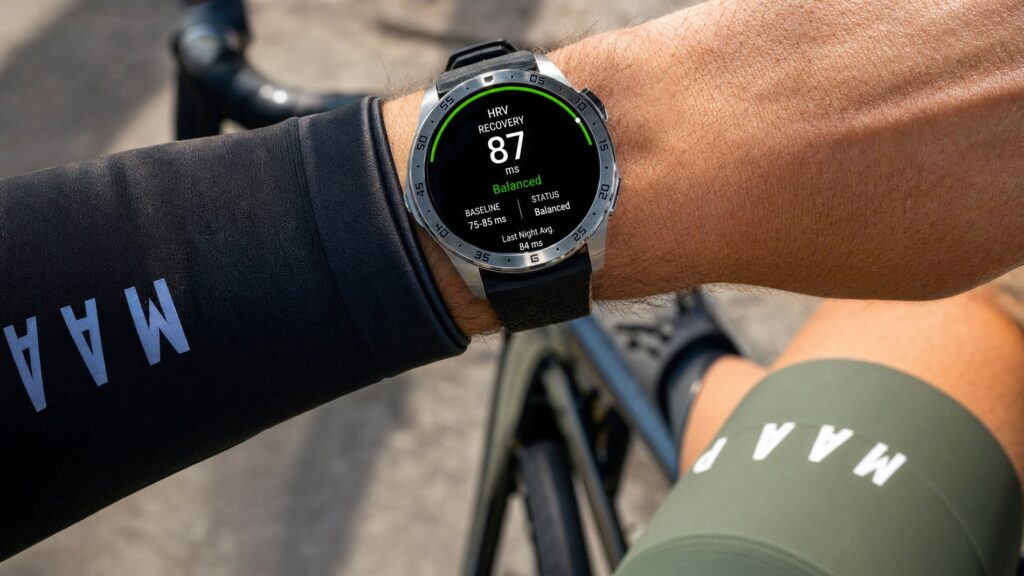
Advanced Heart Rate Variability (HRV) Tracking
While standard heart rate monitoring has been around for decades, 2026 is the year of Heart Rate Variability (HRV). HRV measures the microscopic variations in time between consecutive heartbeats, providing a direct window into the state of your autonomic nervous system. Premium smartwatches from Garmin and Whoop now track your HRV continuously, particularly during sleep.
By analyzing your HRV trends, these wearables can accurately determine your daily readiness to train. If your HRV is suppressed, it indicates that your body is under stress—whether from previous hard workouts, poor sleep, or impending illness. In this state, the device will recommend focusing on Cycling Posture and Core Strength Training 2026 or taking a complete rest day, rather than attempting a high-intensity interval session.
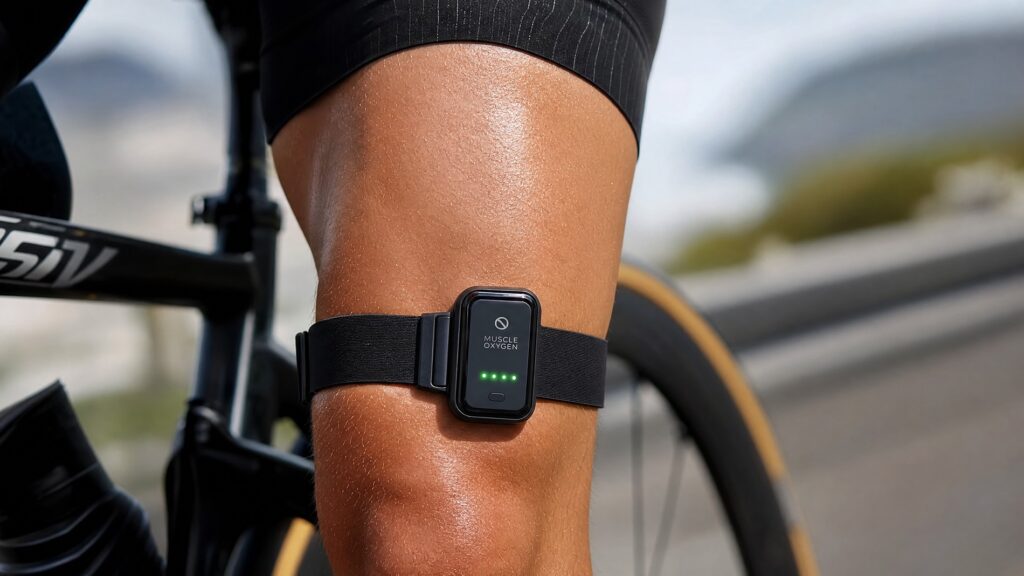
Muscle Oxygen Sensors (SmO2)
One of the most exciting breakthroughs for endurance athletes is the commercial availability of wearable muscle oxygen sensors. Devices like the Moxy Monitor are small, non-invasive optical sensors that strap directly to your active muscles (typically the quadriceps). They use near-infrared spectroscopy to measure the exact percentage of oxygenated hemoglobin in the muscle tissue in real-time.
This technology provides a much faster and more accurate representation of muscular fatigue than heart rate or even power data. By monitoring your SmO2 levels, you can precisely identify your lactate threshold and optimize your pacing strategy during time trials or long climbs. It takes the guesswork out of interval training, allowing you to push exactly to your physiological limit without crossing into premature exhaustion.
Sweat Analysis and Hydration Tracking
Proper hydration is critical for performance, yet most cyclists still rely on thirst—a notoriously delayed indicator—to dictate their fluid intake. In 2026, wearable sweat analysis patches are changing this paradigm. These single-use biometric patches adhere to your skin and analyze the composition of your sweat in real-time, measuring fluid loss and electrolyte depletion (specifically sodium and potassium).
This data is transmitted to your bike computer, which then provides personalized, real-time alerts telling you exactly when and how much to drink. This level of precision is invaluable for Cycling Nutrition and Fueling Strategy for Endurance 2026, particularly during long events in hot conditions where dehydration can severely impact performance and cognitive function.
The Future of Integrated Ecosystems
The true power of these wearables lies in their integration. We are moving away from isolated data points toward holistic physiological ecosystems. Your smart glasses display the power data from your pedals, while your smartwatch analyzes the HRV impact of that effort, and your sweat patch dictates your recovery nutrition.
As AI continues to improve, these platforms will become even more predictive, acting as virtual coaches that adapt your training plan daily based on your unique biometric feedback. Embracing this wearable technology revolution in 2026 is not just about collecting more data; it is about gaining a profound understanding of your own body, allowing you to ride faster, recover smarter, and enjoy the sport more than ever before.