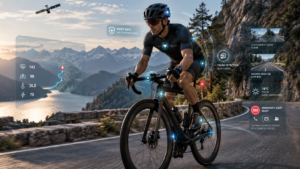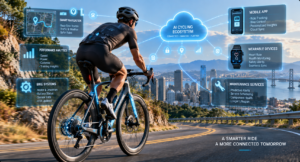
Cycling cameras have evolved far beyond simple recording devices. In 2026, artificial intelligence is transforming bike cameras into intelligent safety systems capable of recognizing hazards, analyzing traffic conditions, and providing real-time alerts to riders.
The latest AI-powered cycling cameras 2026 combine computer vision, machine learning, GPS connectivity, and smart cycling platforms to create a safer and more connected riding experience. These technologies help cyclists record their journeys while also improving awareness of surrounding risks.
The Evolution of Cycling Cameras
Traditional cycling cameras were primarily designed for recording rides, creating travel videos, or documenting accidents. Modern AI cameras now process information while the cyclist is riding.
Instead of only capturing footage, smart cycling cameras can analyze:
- Approaching vehicles
- Pedestrian movement
- Road obstacles
- Traffic patterns
- Potential collision risks
This shift transforms cameras from passive recording tools into active safety systems similar to advanced driver assistance technologies used in automobiles.
Cyclists interested in other connected safety innovations can also explore our article about Smart Cycling Helmets 2026, which covers AI-based protection and emergency technology.
How Computer Vision Improves Rider Safety
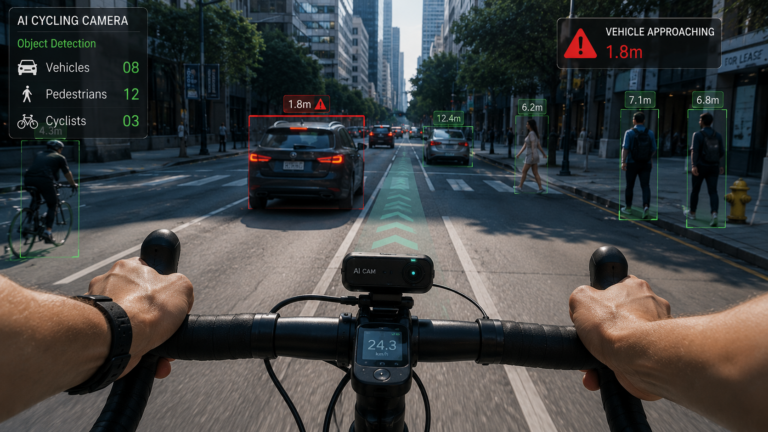
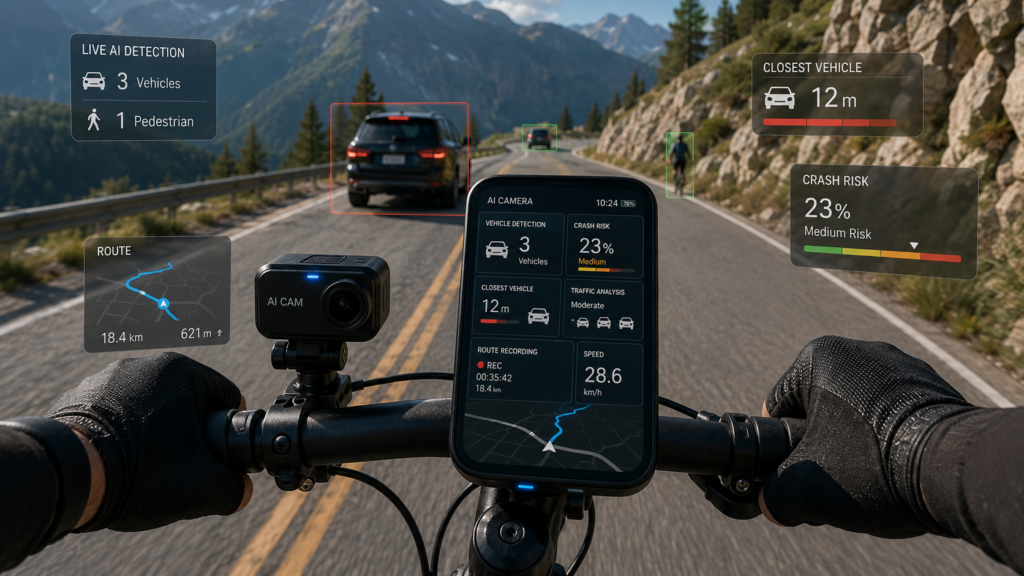
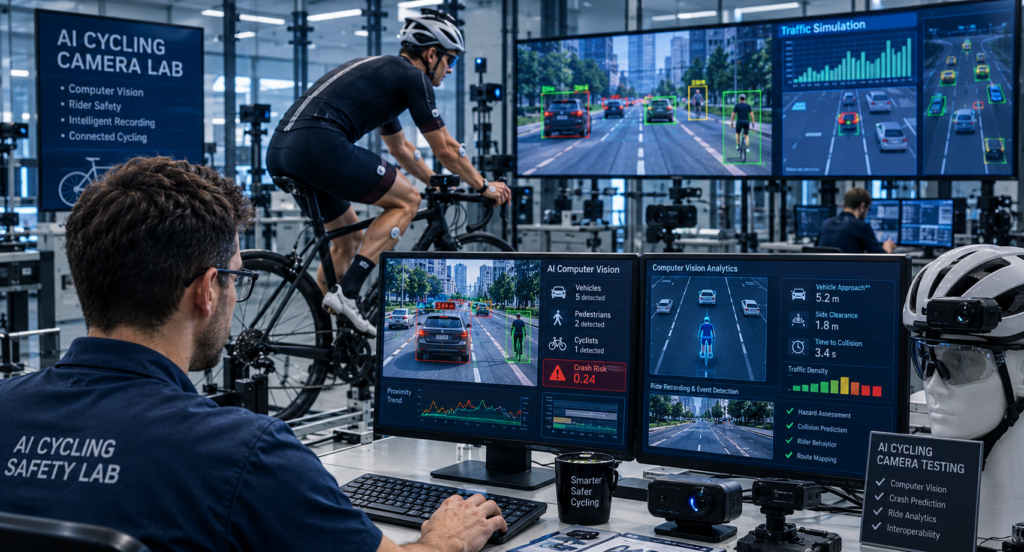
Computer vision is one of the most important technologies behind AI cycling cameras. Using cameras and artificial intelligence algorithms, these systems identify objects and predict possible dangers.
For example, an AI camera may recognize when a vehicle is approaching too closely from behind or when a pedestrian enters the cyclist’s path.
The system can then provide alerts through:
- Handlebar displays
- Smart helmets
- Mobile applications
- Audio notifications
This additional awareness gives riders more time to react, especially in busy urban environments.
Crash Detection and Incident Recording
One of the biggest advantages of AI cycling cameras is automatic crash detection. Advanced systems combine video analysis with motion sensors and GPS information to identify unusual events.
If a crash occurs, the camera can automatically save important footage and share location information with emergency contacts.
This feature is especially valuable for:
- Solo cyclists
- Long-distance riders
- Bikepackers
- Commuters
Connected safety technology continues to expand through platforms from companies such as Garmin, which develops cycling computers and connected riding devices.
AI Cameras and Connected Cycling Ecosystems
Future cycling cameras will not operate independently. They will become part of larger connected ecosystems that include smart helmets, wearable sensors, navigation systems, and cycling computers.
For example, an AI camera may detect a vehicle approaching from behind and send the warning directly to a rider’s smart helmet display or handlebar computer.
This type of integration connects with the same technology trends discussed in our guide about Connected Cycling Analytics 2026.
Ride Recording and Data Analysis
While safety is the primary focus, AI cameras also improve ride recording. Instead of manually reviewing hours of footage, artificial intelligence can organize important moments automatically.
Examples include:
- Highlighting dangerous traffic situations
- Creating route summaries
- Tracking riding conditions
- Analyzing cycling environments
Adventure cyclists and bikepackers can use these systems to document remote routes while collecting valuable ride data.
This technology complements our coverage of Smart Bikepacking Systems 2026, where connected equipment improves long-distance cycling.
AI Cycling Cameras for Urban and Adventure Riders
Different cyclists benefit from AI camera technology in different ways.
Urban Cyclists
City riders benefit from vehicle detection, blind-spot awareness, and incident recording. These features improve confidence when riding near traffic.
Adventure Cyclists
Mountain and gravel riders benefit from route documentation, navigation integration, and additional safety when exploring remote areas.
The Future of AI Cycling Cameras
Future developments will likely include improved artificial intelligence models, smaller hardware, longer battery life, and deeper integration with smart cycling equipment.
Potential future features include:
- Predictive crash avoidance
- Augmented reality hazard displays
- Vehicle communication systems
- Automatic emergency response
- Cloud-based ride intelligence
As cycling technology continues to advance, AI cameras will become an important component of the connected bicycle ecosystem.
Conclusion
AI-powered cycling cameras in 2026 represent a major advancement in rider safety and connectivity. By combining computer vision, crash detection, and intelligent analytics, these systems help cyclists make safer decisions while creating valuable ride data.
As smart cycling technology continues developing, AI cameras will play a growing role in protecting riders and improving the overall cycling experience.