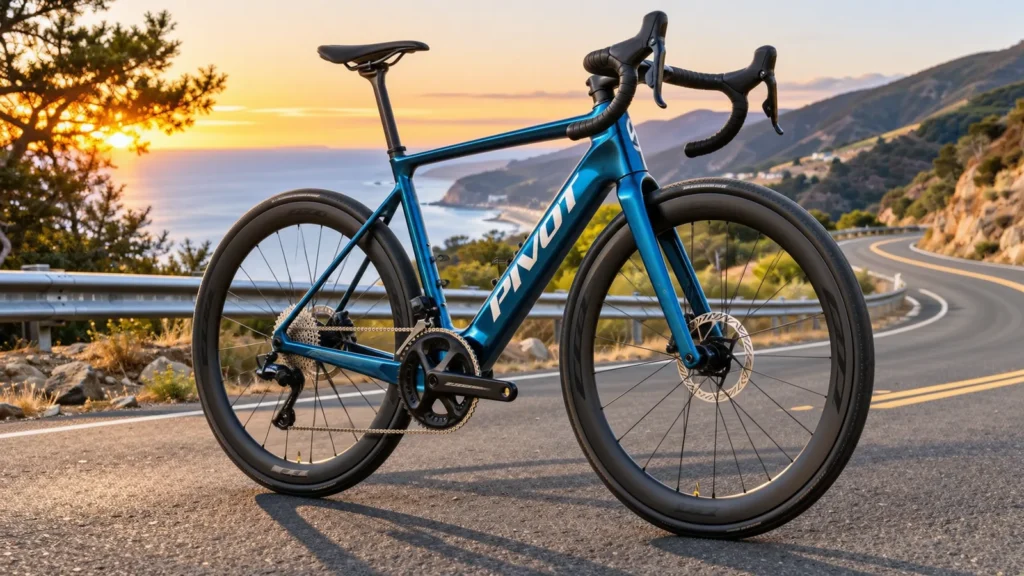
The Pivot Pravia 2026 is a major departure for a company best known for mountain bikes. Unveiled on November 3, 2026, Pivot’s first dedicated road bike targets riders who want racing performance without an extreme position they cannot maintain for an entire ride. The carbon Pravia blends aerodynamic shaping, responsive handling, wider tires, and practical storage.
But does a premium road bike with prices starting at $5,999 make sense for everyday cyclists? This specification-based guide looks at what Pivot has confirmed, why the geometry matters, and which riders should consider it. It is not a hands-on test.
What Is the Pivot Pravia?
The Pravia is a UCI-approved carbon road-racing bike from Arizona-based Pivot Cycles. The company’s design goal is to combine race-bike acceleration and steering with a position that riders can sustain during multi-hour efforts. That makes it appealing on paper to club racers, fast group riders, and ambitious endurance cyclists.
Pivot has experience making lightweight carbon frames for difficult off-road terrain. The Pravia applies its Hollow Core molding approach and size-specific frame engineering to pavement. According to BikeRadar’s November 2026 launch report, Pivot claims an approximately 895 g frame and a 7 kg top-end complete build. These are manufacturer-reported figures, not weights from our own scale.
Pivot Pravia 2026: Key Specifications
| Feature | Announced detail |
|---|---|
| Frame | Carbon, Hollow Core construction |
| Geometry | Race-focused, with a more sustainable riding position |
| Standard tires | 700 x 32 mm |
| Maximum tire clearance | 38 mm with 2x; 40 mm with 1x drivetrain |
| Drivetrain options | SRAM Rival, Force or Red AXS |
| Other features | In-frame storage, top-tube mounts, hidden fender mounts |
| Frame sizes | Six sizes, 47 through 60 |
| U.S. complete-bike price | $5,999 to $11,999 |
Specifications may vary by build and region. For a final purchase, compare the exact current configuration on Pivot’s website with the dealer’s build sheet.
Why Its Geometry Matters More Than the Marketing
Many riders admire aggressive racing bikes but struggle to hold their low position for three or four hours. The problem is not necessarily their fitness. Frame geometry, flexibility, neck comfort, and weight distribution can make an otherwise fast bike exhausting.
Pivot designed the Pravia around slightly more attainable proportions while retaining racing intentions. Bikerumor’s geometry analysis lists a 394 mm reach and 593 mm stack for the size 58 frame. Those numbers position the rider slightly higher and closer to the handlebars than some aggressively proportioned rivals.
Stack measures vertical frame height; reach measures horizontal frame length. Neither number determines comfort by itself, but together they help a fitter compare bikes. Learn how to interpret them in iBikeBlog’s bike fit and geometry optimization guide.
The Pravia remains a racing bike, not a relaxed upright commuter. Stem length, spacers, saddle setback, crank length, and handlebar width still decide whether the position works for your body.
How Light and Aerodynamic Is the Carbon Frame?
Pivot says it uses finite element analysis and its Hollow Core process to refine frame stiffness and material placement. The shape targets efficient acceleration and precise cornering, while an aerodynamic-looking front end and D-shaped seatpost seek to reduce drag.
The seatpost also incorporates tuned flex, which Pivot says may reduce the harshness of rough pavement. That could be useful for riders who want a firm pedaling platform without experiencing every road seam through the saddle.
Still, there is a difference between an aero-inspired appearance and demonstrated aerodynamic savings. Public independent wind-tunnel data for the Pravia remains limited. Cycling Weekly’s launch analysis also asks how much the design advances beyond established carbon race bikes.
Rider position frequently matters as much as equipment choices. Our article about real-time cycling aerodynamics explains how position and drag measurements help guide smarter adjustments.
Why 32 mm Tires Are a Meaningful Choice
Every announced complete Pravia comes with 700 x 32 mm tires. Wider modern road tires provide more air volume than traditional 23 or 25 mm racing tires. When correctly inflated, they can make broken pavement feel less punishing without abandoning road-bike speed.
More important is the available clearance. Pivot confirms room for up to 38 mm tires with two chainrings and 40 mm with one. That creates options for rough city roads, imperfect rural pavement, and some firmly packed mixed-surface sections.
The numbers do not make the Pravia a replacement for a dedicated gravel bike. Frame and tire clearance must accommodate debris, tread, and differences in actual inflated width. Technical gravel, deep mud, and rocky descents still call for equipment designed for those conditions.
Our gravel tire and racing technology guide explains why tire volume, casing, pressure, and terrain should be considered together.
In-Frame Storage: A Practical Feature for Real Riders
WorldTour professionals can rely on support vehicles, but a weekend rider often carries a mini tool, tube, inflation kit, and snacks. The Pravia addresses that difference with storage inside the frame instead of requiring everything in jersey pockets.
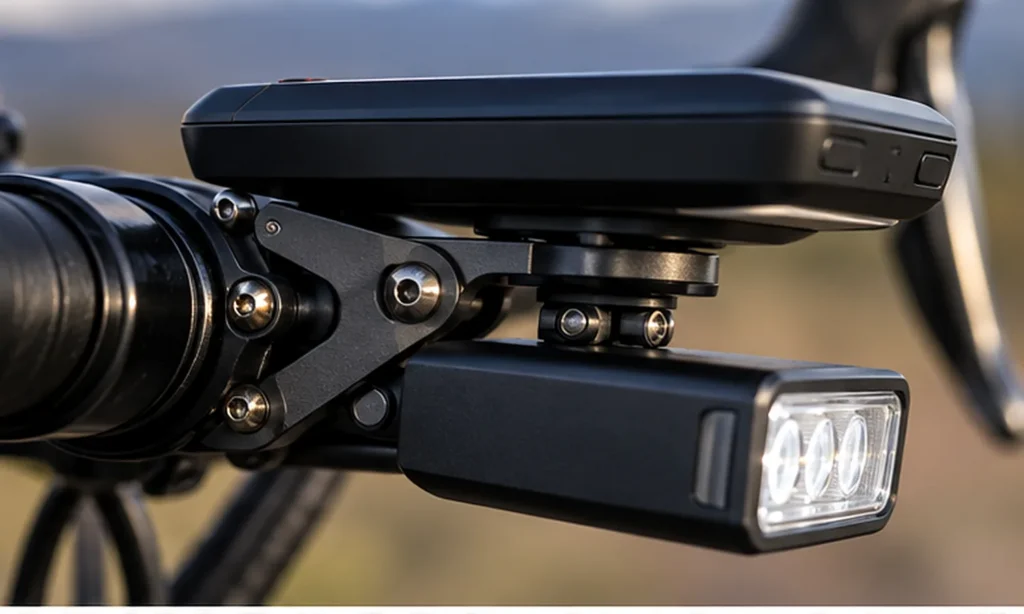
Pivot also includes accessory mounts on the top tube and discreet fender mounts, as noted in BikeRadar’s equipment breakdown. These details make it easier to prepare the same bike for a fast group ride, a long unsupported route, or a wet-weather training day.
Before choosing how to pack, ask what fits inside the storage opening, whether a waterproof bag is included, and how easily you can retrieve tools without unloading other items. Practical storage is valuable only when it is convenient to use.
Pivot Pravia Builds and U.S. Prices
Pivot currently lists three complete builds in the United States. All use electronic SRAM AXS shifting, but component and wheel specifications vary. The pricing below comes from Pivot’s current U.S. product pages.
| Build | Drivetrain | Listed U.S. price |
|---|---|---|
| Pravia Ride | SRAM Rival 2x AXS | $5,999 |
| Pravia Pro | SRAM Force 2x AXS | $8,499 |
| Pravia Team | SRAM Red 2x AXS | $11,999 |
The entry-level label is relative: even the Ride is an expensive performance bicycle. The Pro and Team add more premium components, but a rider may benefit more from an ideal fit and good tires than from the costliest groupset. SRAM explains the braking, shifting, and connectivity features of Red AXS for buyers comparing top-end equipment.
Listed prices can change, and availability depends on color, size, and dealer stock.
Who Should Consider the Pivot Pravia?
The strongest match is a rider who likes fast pavement riding but wants slightly greater flexibility than a highly specialized aero race machine. Club racing, training climbs, century rides, and long solo routes fit the bike’s intended use.
Riders who frequently venture onto loose gravel should compare it with a true gravel model. Those prioritizing relaxed posture, cargo capacity, and affordability may be happier with an endurance or commuter bike.
For a serious buyer, the test ride should include sustained time on the hoods, seated climbing, rough asphalt, and a fast descent. A few minutes around a parking lot cannot reveal how the bike behaves late in a three-hour ride.
Three Questions to Ask Before Buying
- Can you sustain the cockpit position? Check stack, reach, handlebar width, and the available stem size before ordering an integrated cockpit. Our handlebar and stem technology guide outlines the compromises.
- What surfaces will you ride? The stock 32 mm tires may be sufficient for good asphalt; rougher routes could justify a wider compatible setup and adjusted tire pressure.
- What will long-term ownership cost? Ask about proprietary seatpost parts, integrated cockpit replacement, bearing service, and local dealer support.
Consider scheduling a professional fit before choosing a frame size, especially if you have changed riding disciplines or had recurring hand, neck, or knee discomfort.
Is the Pivot Pravia a Race Bike Built for Real Riders?
Yes in its design priorities, but the final answer depends on fit and on-road testing. The Pravia combines race-oriented carbon construction, modern 32 mm tires, wider clearance, hidden storage, and mounting options that make sense beyond professional racing.
It is not a budget purchase or a confirmed aerodynamic breakthrough. Riders should treat stiffness, comfort, and weight claims as manufacturer information until independent ride tests clarify the experience. For cyclists who prioritize fast handling without an impractical posture, the Pravia deserves a place on the test-ride shortlist.