The Evolution of Cycling Nutrition and Hydration Science in 2026
The landscape of endurance sports has shifted dramatically over the past few years. We are no longer relying on generic advice to simply drink water when thirsty or eat a banana halfway through a ride. In 2026, cycling nutrition and hydration science has become highly personalized, data-driven, and incredibly precise. Understanding how to properly fuel your body is just as important as having the right cycling power meters and training metrics to track your performance.
Dehydration remains the silent performance killer for many amateur and professional cyclists alike. A mere two percent drop in body weight through fluid loss can increase your heart rate by five to ten beats per minute at the exact same power output. Your blood becomes thicker, forcing your heart to work significantly harder to pump oxygen to your muscles. Furthermore, your body’s natural cooling system begins to fail, leading to premature fatigue and potential cramping.
Establishing Your Baseline Hydration Framework
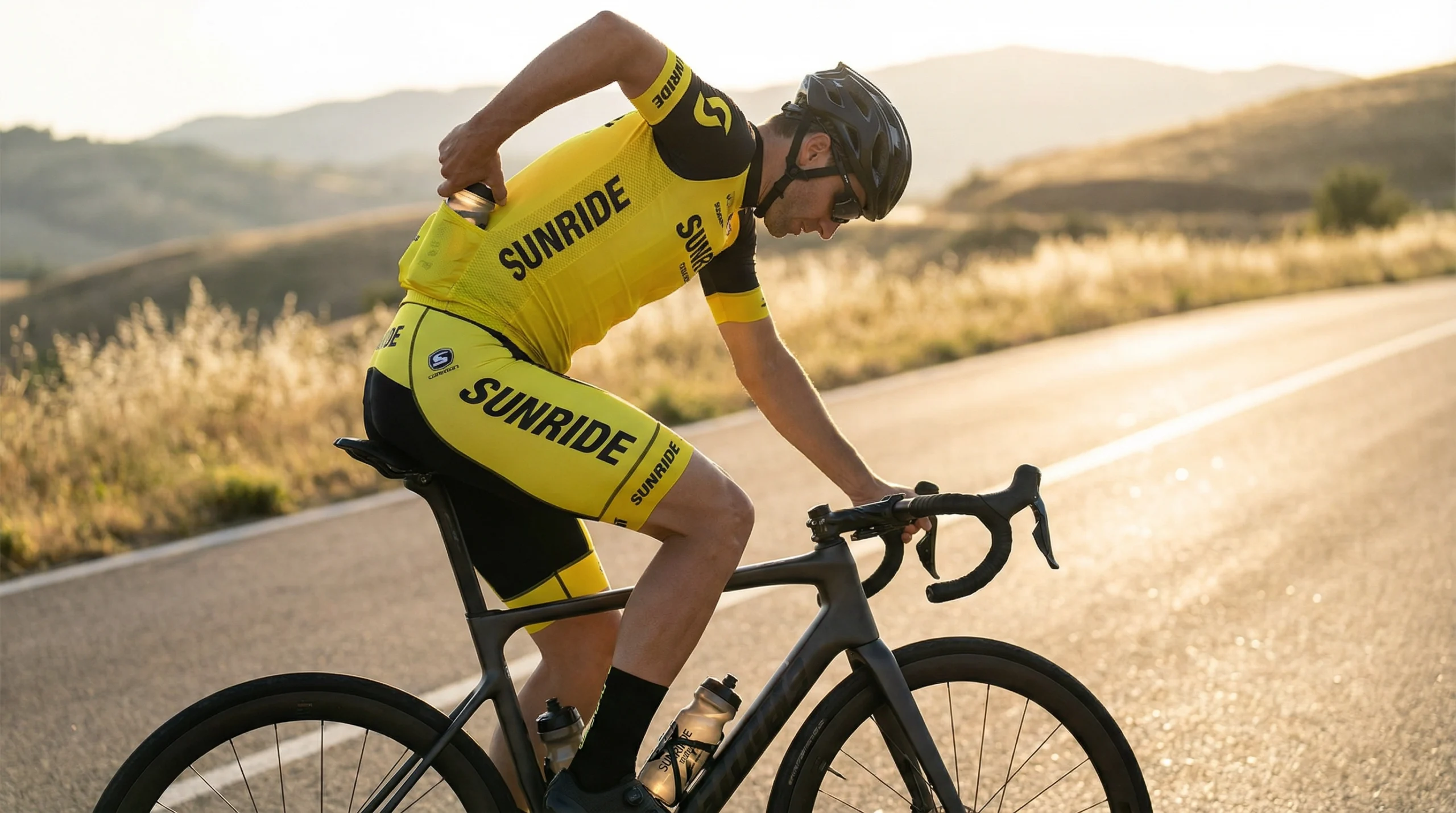
Building a solid hydration strategy begins long before you actually clip into your pedals. The current scientific consensus recommends starting with 500 milliliters of fluid in the hour leading up to your ride. Once you are on the bike, you should aim to consume between 500 and 700 milliliters per hour in moderate conditions. Naturally, this requirement increases significantly when riding in hot weather or during intense efforts.
Many riders make the critical mistake of waiting until they feel thirsty before reaching for their bottle. By the time your brain registers the sensation of thirst, you are already one to two percent dehydrated. To combat this, experts suggest setting a recurring timer on your cycling computer every fifteen to twenty minutes. This simple reminder ensures you maintain a steady intake of fluids throughout your entire session.
Individual sweat rates vary enormously from person to person. Some cyclists might lose only 500 milliliters per hour, while heavy sweaters can lose upwards of 1.5 liters in the same timeframe. The most effective way to calibrate your personal needs is to weigh yourself completely naked before and after a one-hour ride without drinking any fluids. Every kilogram of weight lost equates to roughly one liter of sweat, giving you a precise target for your future hydration plans.
The Critical Role of Electrolytes and Sodium Balance
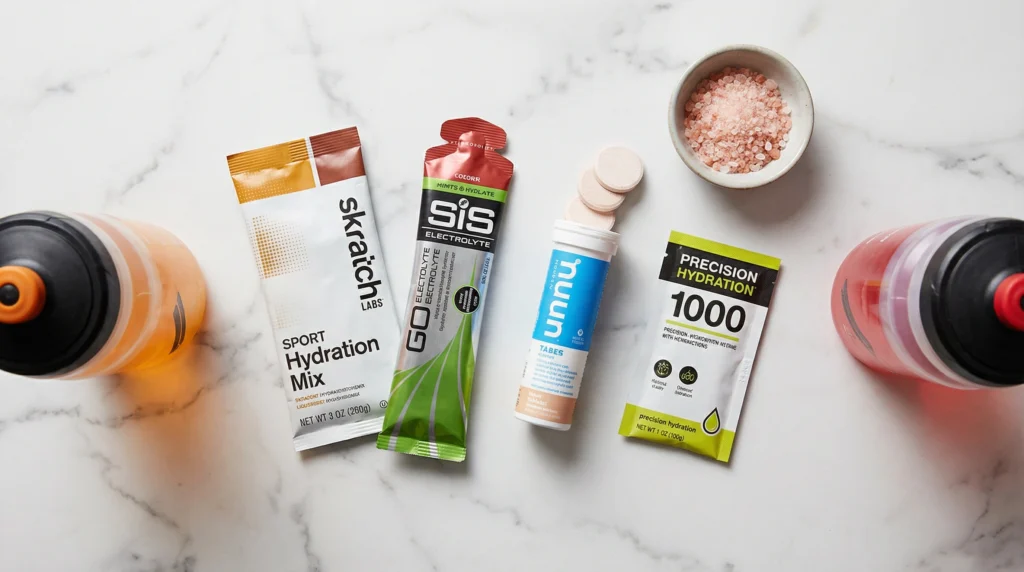
Sweat is not just water; it contains a complex mixture of essential minerals including sodium, potassium, magnesium, and chloride. Sodium is arguably the most important electrolyte for cyclists because it is lost in the highest quantities during exercise. Depending on your unique physiology, you might lose anywhere from 500 to 1500 milligrams of sodium per liter of sweat.
For rides lasting longer than two hours, or during particularly hot conditions, targeting an intake of 500 to 700 milligrams of sodium per hour is crucial. This helps maintain your blood plasma volume and prevents the dreaded onset of muscle cramps. A highly effective strategy utilized by many professionals is the two-bottle system. You fill one bottle with a dedicated electrolyte solution and the other with a carbohydrate-rich energy drink or plain water. This approach provides the flexibility to adjust your sodium and carbohydrate intake independently based on how your body feels.
Organizations like the Gatorade Sports Science Institute have published extensive research highlighting the dangers of both under-hydrating and over-hydrating. While dehydration leads to performance decrements, drinking excessive amounts of plain water without replacing lost sodium can lead to hyponatremia, a rare but potentially dangerous condition. Therefore, finding your personal balance is absolutely essential for safe and effective endurance cycling.

Pre-Ride Fueling and Carbohydrate Loading
Your pre-ride meal sets the foundation for your entire training session. Consuming a balanced meal rich in complex carbohydrates approximately two to three hours before your ride ensures your glycogen stores are fully topped up. Excellent choices include oatmeal with fresh fruit, whole grain toast with a light spread of peanut butter, or a modest portion of rice and lean protein.
During the ride itself, carbohydrate intake needs to be carefully managed to avoid gastrointestinal distress. The latest guidelines from Science in Sport suggest aiming for 60 to 90 grams of carbohydrates per hour for intense efforts lasting over two hours. Elite athletes are now pushing this boundary even further, sometimes consuming up to 120 grams per hour using specialized dual-source carbohydrate blends containing both maltodextrin and fructose.
Training your gut to handle these higher carbohydrate loads is a process that takes time and consistency. You should never attempt a new fueling strategy on the day of a major event or race. Instead, gradually increase your carbohydrate intake during your longer training rides to allow your digestive system to adapt. This careful preparation is just as vital as maintaining your equipment with essential bike maintenance and e-bike care.
Post-Ride Recovery and Nutritional Optimization
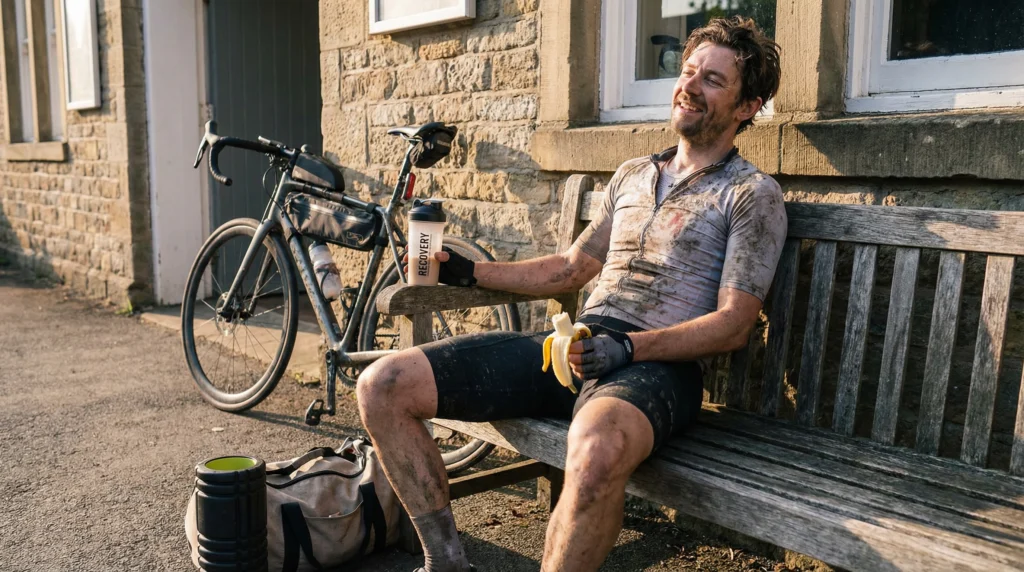
The moment you unclip from your pedals, the recovery process begins. The first thirty to sixty minutes post-ride are often referred to as the glycogen window, a critical period where your muscles are highly receptive to nutrient uptake. Consuming a recovery drink or meal containing a 3:1 or 4:1 ratio of carbohydrates to protein is the gold standard for kickstarting muscle repair and replenishing depleted energy stores.
Companies like Osmo Nutrition emphasize that recovery is not just about macronutrients; it also involves rehydration. You should aim to drink 1.5 liters of fluid for every kilogram of body weight lost during your ride. Incorporating a small amount of sodium into your recovery beverage can significantly enhance fluid retention and speed up the rehydration process.
Furthermore, the integration of personalized nutrition apps is revolutionizing how we approach recovery. Platforms such as Fuelin and EatMyRide sync directly with your training data to provide highly specific meal recommendations based on your actual energy expenditure. This level of technological integration mirrors the advancements we are seeing in bike fit technology and 3D body scanning, where precision data drives optimal performance.
Integrating Nutrition with Your Overall Training Plan
Ultimately, cycling nutrition and hydration should be viewed as an integral component of your overall training strategy, rather than an afterthought. By taking the time to understand your individual sweat rate, dialing in your electrolyte needs, and practicing your carbohydrate intake, you can unlock significant performance gains. Whether you are preparing for a grueling century ride or simply looking to improve your weekend group rides, a scientific approach to fueling will undoubtedly make you a stronger, more resilient cyclist.
As we continue through 2026, the tools and knowledge available to amateur cyclists are better than ever before. From advanced Precision Hydration sweat testing kits to dual-source carbohydrate gels, the resources are readily accessible. Take advantage of these innovations, listen closely to your body’s feedback, and watch as your endurance and power output reach new heights on the road or trail.