Urban Cycling Commute Optimization and Infrastructure 2026
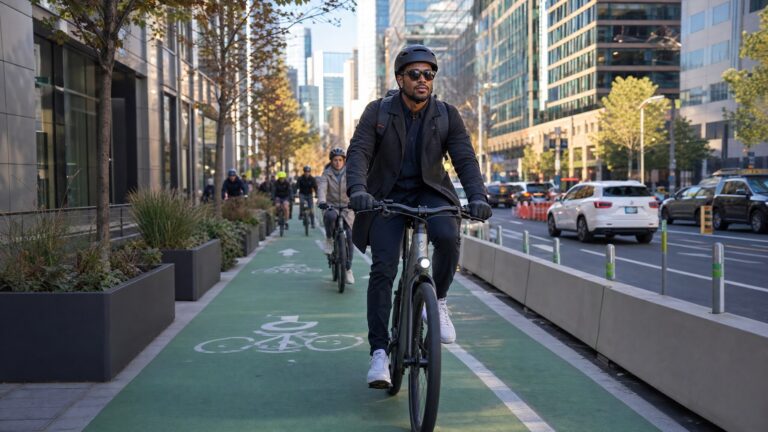
Urban cycling is no longer just a lifestyle choice; it has evolved into a strategic force shaping city commutes in 2026. As metropolitan areas grapple with congestion, emissions targets, and rising transport costs, the bicycle has emerged as the ultimate urban mobility solution. For the daily commuter, this shift means unprecedented access to advanced technology, connected infrastructure, and weather-resistant gear. The modern urban commute is faster, safer, and more efficient than ever before, transforming how we navigate the concrete jungle.
The most significant driver of this transformation is the widespread adoption of e-bikes. By reducing the physical barrier to riding, e-bikes have expanded the practical commuting radius for millions of people. However, optimizing an urban commute requires more than just a motor. It demands a holistic approach that integrates route planning, safety equipment, and an understanding of the evolving city infrastructure. This guide explores the key trends and technologies that are redefining the urban cycling commute in 2026.
The Rise of Connected Urban Infrastructure
Urban cycling succeeds when products and streets work together. In 2026, the cities gaining the most from cycling are those building connected ecosystems rather than isolated bike lanes. Infrastructure now includes digital, operational, and policy layers in addition to physical design. Organizations like NACTO have been instrumental in pushing for comprehensive urban bikeway designs that prioritize rider safety and network connectivity.
Protected bike lanes remain the foundation of safe urban commuting. However, they are only the starting point. Modern infrastructure now features smart traffic signals that prioritize cyclists, secure parking hubs, and integrated charging stations for e-bikes. These advancements drastically reduce the friction associated with daily commuting. When a rider knows they have a safe route and a secure place to store their bike, the decision to commute on two wheels becomes effortless.
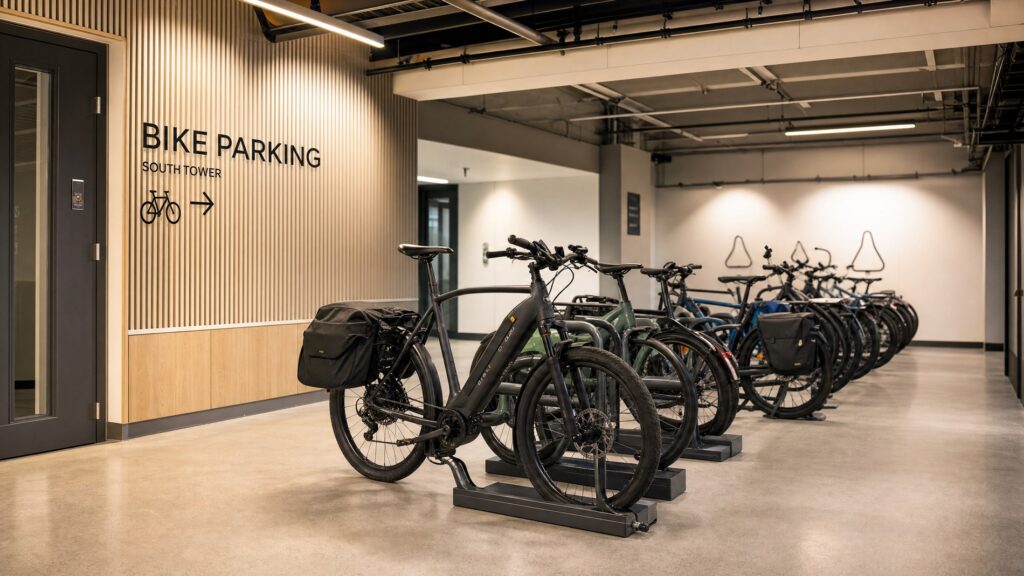
Furthermore, the integration of cycling infrastructure with public transit has created seamless multimodal commutes. Secure bike parking at train stations and the ability to take bikes on light rail systems allow commuters to cover vast distances efficiently. This interconnected approach is vital for those living in sprawling metropolitan areas. As cities continue to invest in these networks, the utility of Bike Commuting Technology will only increase.
Mastering the Elements Weather-Resistant Gear
One of the biggest hurdles for new bike commuters is dealing with inclement weather. However, advancements in material science have made all-weather cycling not only possible but comfortable. In 2026, premium waterproof gear is essential for anyone serious about optimizing their daily commute. The focus has shifted from merely staying dry to maintaining breathability and mobility while riding.
Modern commuter jackets utilize aerospace-grade membranes that block rain while allowing sweat vapor to escape. This prevents the dreaded “boil in the bag” effect during strenuous rides. Additionally, integrated waterproof panniers and frame bags ensure that laptops and work clothes arrive at the office completely dry. Brands are also incorporating high-visibility elements directly into the fabric, ensuring that riders remain seen in low-light, rainy conditions.
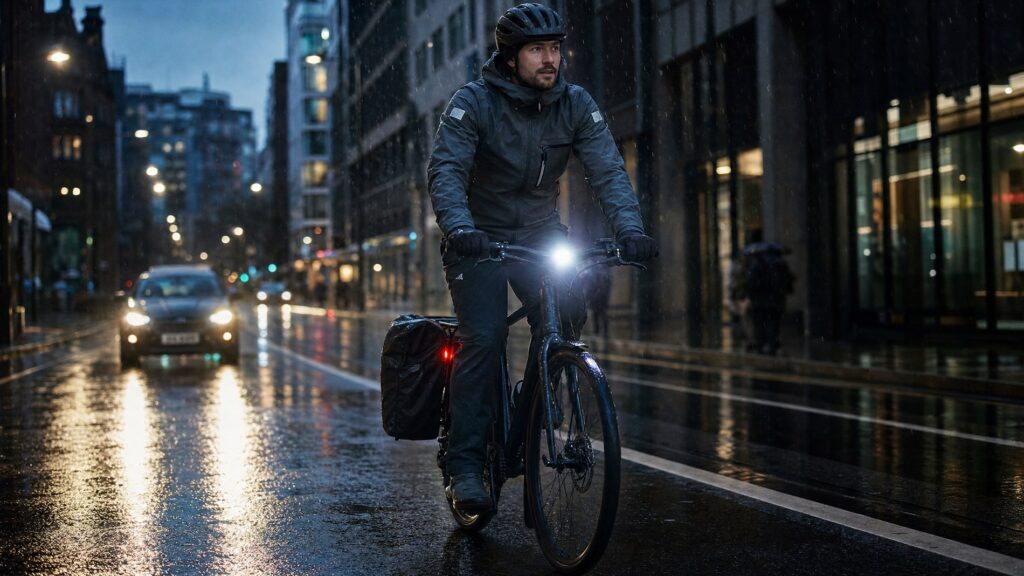
Beyond clothing, optimizing the bike itself for weather is crucial. Full-coverage fenders are non-negotiable for wet commutes, as they prevent road spray from soaking the rider and the drivetrain. Furthermore, understanding Cycling Weather and Seasonal Riding Conditions allows commuters to adjust their tire pressure and route choices based on the forecast. By equipping yourself with the right gear, the weather becomes a minor variable rather than a commuting deterrent.
Smart Navigation and Route Optimization
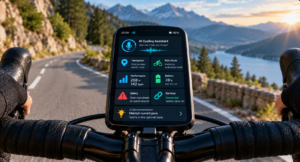
The days of taping paper cue sheets to your handlebars are long gone. In 2026, smart navigation systems are central to commute optimization. Advanced GPS devices and smartphone apps do much more than provide turn-by-turn directions; they analyze real-time traffic data, road closures, and bike lane availability to calculate the safest and most efficient route.
Platforms like Komoot and BikeRadar‘s routing tools allow riders to customize their journeys based on their preferences. Whether you want the fastest route, the flattest route, or the route with the most protected bike lanes, the software adapts to your needs. This level of customization is particularly valuable in dense urban environments where the shortest distance is rarely the safest or most pleasant ride.
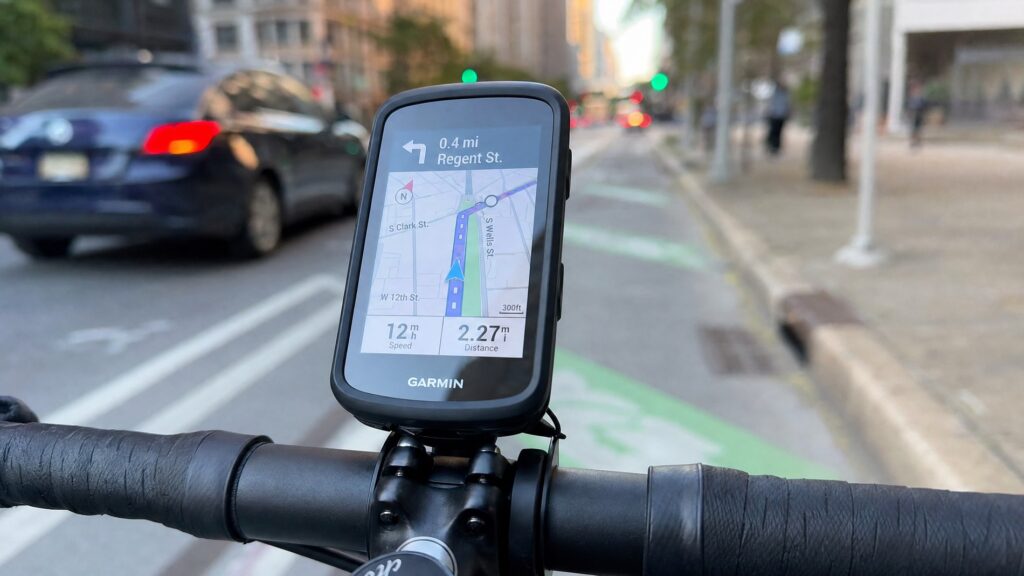
Moreover, these navigation systems are increasingly integrated with the bike’s hardware. E-bike displays now show route information alongside battery range estimates, ensuring you never run out of power mid-commute. Some advanced systems even use haptic feedback in the handlebars to signal turns, allowing the rider to keep their eyes on the road. This integration of E-Bike Motor Technology and smart navigation represents the pinnacle of urban commuting efficiency.
Safety Technology and Visibility
Safety remains the paramount concern for urban cyclists. Fortunately, 2026 has brought significant advancements in visibility and collision avoidance technology. The focus has moved beyond simple flashing lights to intelligent systems that actively monitor the rider’s surroundings and communicate with other vehicles.
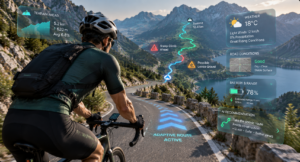
Smart lighting systems now adjust their brightness based on ambient light conditions and flash patterns based on the rider’s speed. For example, when a cyclist decelerates, the rear light brightens to act as a brake light. Additionally, radar systems mounted on the seat post can detect approaching vehicles from behind and alert the rider via their head unit or smartphone. As highlighted by safety advocates at The Beam, these technologies provide crucial situational awareness in chaotic city traffic.
Furthermore, the integration of Bike Lights and Visibility Technology directly into commuter apparel and helmets ensures that the rider is visible from all angles. Biomotion lighting, which highlights the moving parts of the cyclist (like the pedals or ankles), has been proven to be highly effective at capturing the attention of motorists. By combining proactive radar technology with advanced visibility solutions, urban commuters can navigate city streets with unprecedented confidence.
In conclusion, optimizing your urban cycling commute in 2026 requires a blend of the right equipment, smart technology, and an understanding of city infrastructure. By leveraging e-bikes, weather-resistant gear, and advanced navigation tools, the daily commute transforms from a stressful chore into the best part of the day. As cities continue to invest in connected bikeways and secure facilities, guided by insights from firms like Kittelson, the urban cycling revolution will only accelerate. Embrace the technology, plan your route, and enjoy the ride.