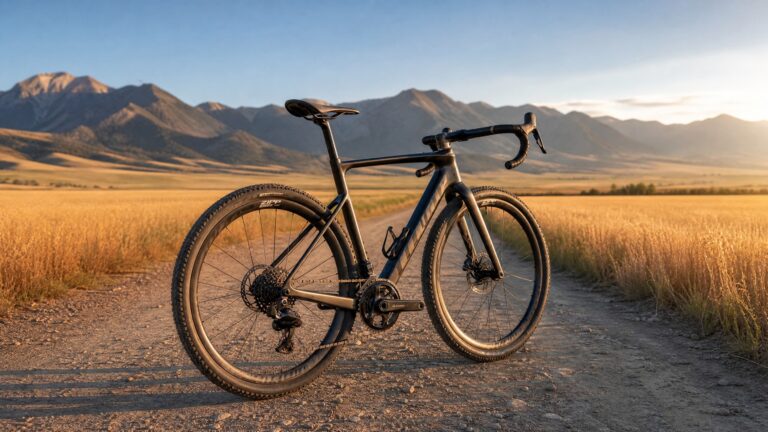
The Evolution of Gravel Bike Technology and Geometry in 2026
The landscape of cycling is constantly evolving, and the gravel segment has seen some of the most rapid and exciting advancements in recent years. As we move deeper into 2026, gravel bikes have firmly established themselves not just as a niche, but as a dominant force in the cycling world. Riders are no longer satisfied with simply modifying road bikes; they demand purpose-built machines capable of tackling everything from smooth dirt roads to technical singletrack. Consequently, manufacturers have responded with groundbreaking innovations in gravel bike technology and geometry.
Understanding these advancements is crucial for anyone looking to upgrade their ride or enter the gravel scene. The modern gravel bike is a marvel of engineering, balancing the need for speed on tarmac with the stability and comfort required for off-road adventures. This delicate balance is achieved through meticulous attention to frame geometry, tire clearance, and material science.
Progressive Gravel Bike Geometry Explained
One of the most significant shifts in 2026 is the widespread adoption of progressive gravel bike geometry. Historically, gravel bikes closely mirrored traditional road bike geometry, which often resulted in a twitchy and unstable ride on loose surfaces. Today, the paradigm has shifted dramatically. Modern gravel frames are designed with a longer wheelbase and a slacker head tube angle, typically hovering around 70 to 71 degrees.
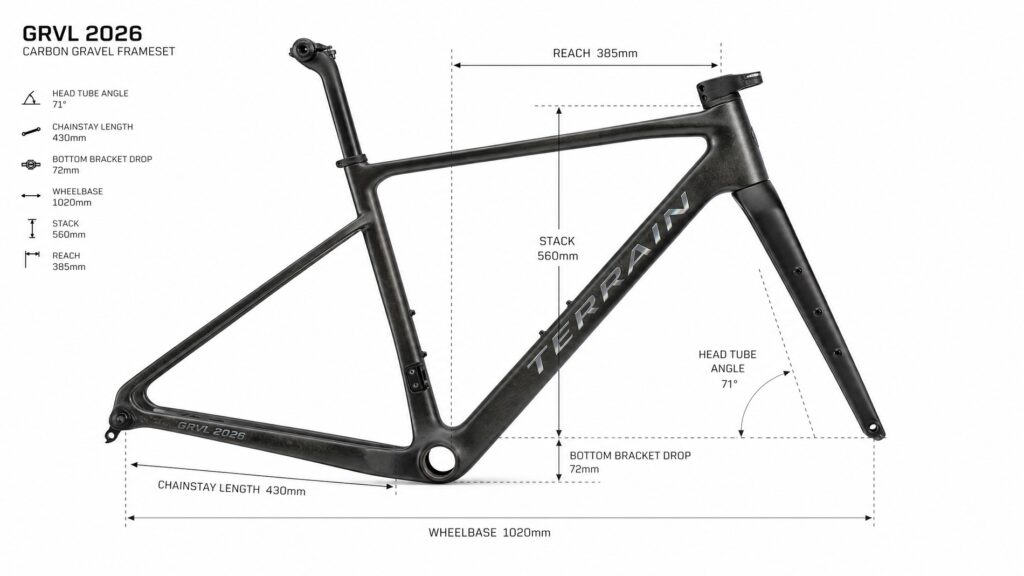
This slacker angle pushes the front wheel further out, increasing the “trail” measurement. As a result, the bike becomes significantly more stable at high speeds and when descending steep, rocky terrain. Furthermore, a longer reach combined with a shorter stem keeps the rider’s weight centered, improving handling and responsiveness. This approach borrows heavily from modern mountain bike design, proving that stability does not have to come at the expense of agility.
Additionally, the bottom bracket drop has been optimized. A lower bottom bracket lowers the rider’s center of gravity, further enhancing stability. However, designers must carefully balance this to prevent pedal strikes on uneven ground. This nuanced approach to Bike Fit and Geometry Optimization for Performance 2026 ensures that riders can maintain control and comfort over long distances.
The Era of Massive Tire Clearance
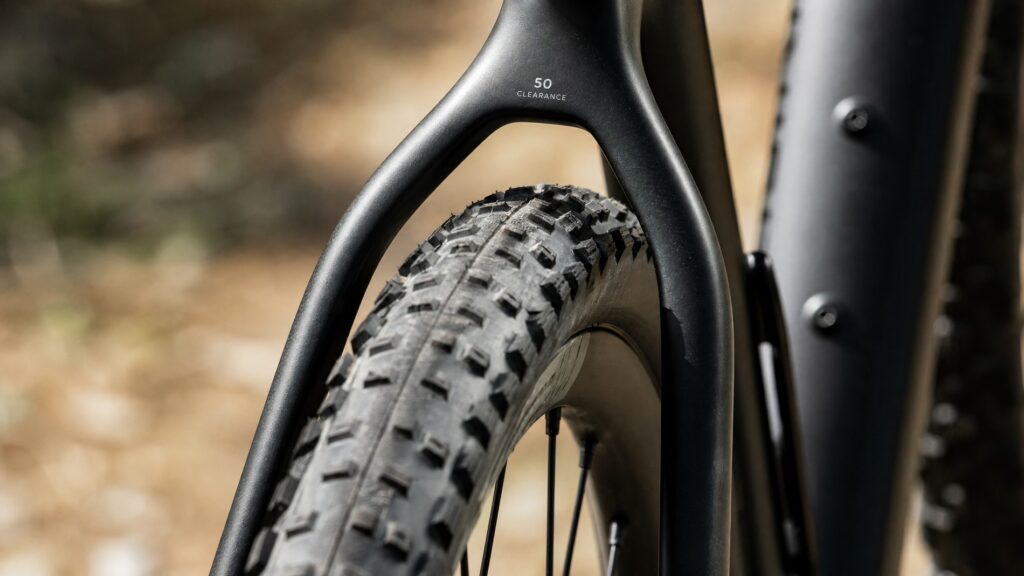
Perhaps the most visible change in 2026 gravel bike technology is the massive increase in tire clearance. Just a few years ago, a frame that could accommodate a 40mm tire was considered generous. Now, the mainstream standard has shifted, with many frames fully accommodating 50mm tires or even wider. This evolution has forced a total reconstruction of the rear triangle geometry.
To fit these wider tires without lengthening the chainstays excessively—which would make the bike feel sluggish—engineers have employed creative solutions. Dropped or asymmetrical chainstays are now commonplace. These designs provide the necessary room for wide rubber and mud clearance while maintaining a snappy, responsive rear end. The ability to run wider tires allows riders to run lower tire pressures, significantly improving traction and comfort on rough terrain.
Moreover, the debate between 700c and 650b wheel sizes continues, but the increased clearance on 700c frames has made them the dominant choice for most riders. The larger diameter rolls over obstacles more easily, while the high-volume tires provide the necessary cushioning. This trend aligns closely with advancements discussed in our guide to Bike Tire Technology and Tread Pattern Innovations 2026.
Suspension and Vibration Damping
As gravel riders push the boundaries of where drop-bar bikes can go, the need for suspension and vibration damping has become paramount. While full-suspension gravel bikes exist, the focus in 2026 is largely on micro-suspension and engineered compliance. Carbon fiber remains the material of choice for high-end frames due to its ability to be tuned for specific ride characteristics.
Engineers manipulate the carbon layup to ensure the frame is stiff laterally for efficient power transfer, yet compliant vertically to absorb bumps and chatter. This is often achieved through flattened seatstays, flexible seatposts, and specialized fork designs. For instance, leaf-sprung forks, like those pioneered by Lauf Cycles, offer advanced damping without the weight and complexity of traditional telescopic suspension.
These innovations significantly reduce rider fatigue, allowing for longer, more enjoyable days in the saddle. The integration of these technologies highlights the ongoing evolution of Bike Suspension Technology and Geometry 2026, adapting mountain bike concepts for the gravel environment.
Aerodynamics Enters the Gravel Scene
Interestingly, as gravel racing becomes more competitive, aerodynamics has entered the conversation. While it might seem counterintuitive for a discipline focused on rough terrain, aerodynamic efficiency matters during long, grueling races like Unbound Gravel. We are now seeing the emergence of aero-gravel bikes, featuring deep-section wheels, integrated cockpits, and aerodynamically optimized tube shapes.
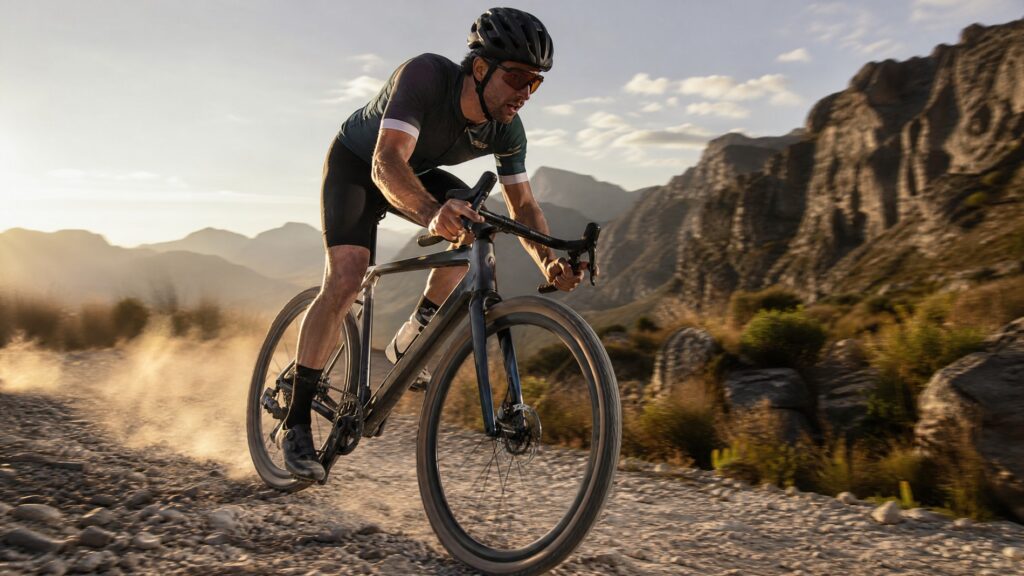
These bikes aim to save precious watts over hundreds of miles. However, designers must carefully balance aerodynamic gains with the need for comfort and practicality. Features like hidden cable routing not only improve aerodynamics but also protect cables from the elements and make it easier to mount bikepacking bags. This trend mirrors the developments seen in Bike Wheel Technology and Aerodynamic Rim Design 2026, where speed and stability are paramount.
Conclusion: The Future of Gravel is Here
The gravel bikes of 2026 represent a pinnacle of cycling versatility. By combining progressive geometry, massive tire clearance, and sophisticated vibration damping, these machines offer an unparalleled riding experience. Whether you are a dedicated racer seeking aerodynamic advantages or an adventure cyclist looking for comfort and capability, the current technology has something to offer.
As the discipline continues to grow, we can expect further refinements and innovations. Major publications like BikeRadar and Cycling Weekly consistently highlight how these advancements are reshaping the industry. Brands such as Canyon and Polygon Bikes are at the forefront, pushing the boundaries of what a gravel bike can achieve. Ultimately, the best gravel bike is the one that inspires you to explore new roads and push your own limits.