Mastering Cycling Weather and Seasonal Riding Conditions in 2026
Riding a bicycle exposes you directly to the elements, making weather one of the most significant variables a cyclist faces. Understanding cycling weather and seasonal riding conditions is essential for maintaining your training schedule and enjoying your time on the bike year-round. In 2026, advancements in technical apparel and training methodologies have made it easier than ever to conquer extreme temperatures and unpredictable forecasts.
From the biting cold of deep winter to the sweltering heat of mid-summer, proper preparation is the key to success. This guide explores the latest strategies and gear innovations designed to keep you comfortable, safe, and performing at your best, regardless of what the sky is doing.
Conquering the Cold: Winter Cycling Strategies
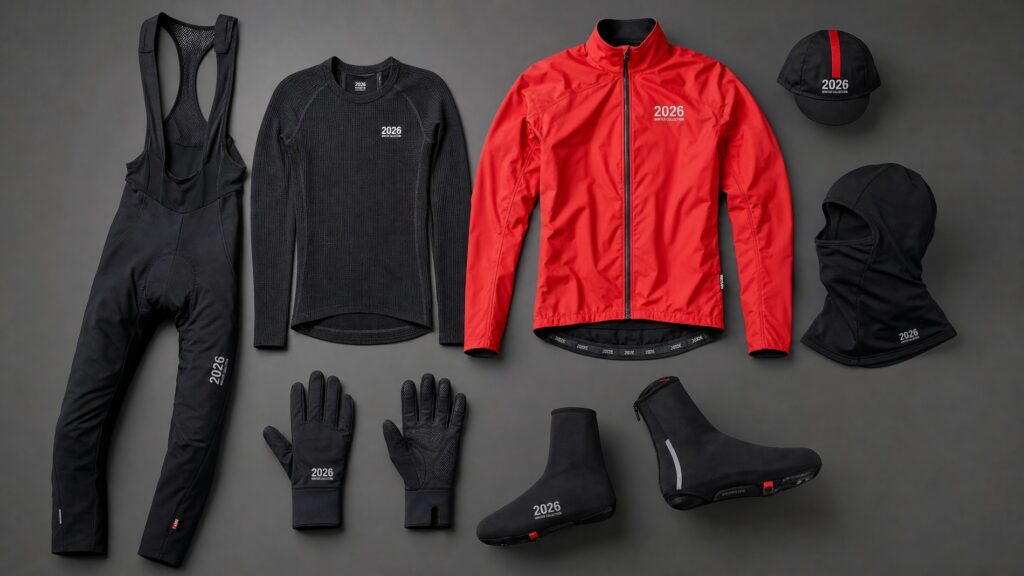
Winter cycling presents unique challenges, primarily the risk of hypothermia and the loss of dexterity in your extremities. The fundamental rule of cold-weather riding is layering. Rather than relying on a single thick garment, a strategic layering system traps warm air while allowing moisture to escape.
The foundation of this system is a high-quality, moisture-wicking base layer. In 2026, merino wool blends remain the gold standard, offering exceptional warmth even when damp. Over the base layer, a thermal mid-layer provides insulation, while a windproof and water-resistant outer shell protects against the elements. According to training experts, managing sweat is just as important as blocking the wind; if you become soaked in sweat during a hard effort, you will rapidly chill once you stop or descend.
Protecting your extremities is equally critical. High-tech neoprene overshoes and insulated, windproof gloves are non-negotiable for sub-freezing rides. Additionally, a thermal skull cap or balaclava worn under your aerodynamic helmet will prevent significant heat loss from your head.
Riding in the Rain: Waterproof Technology
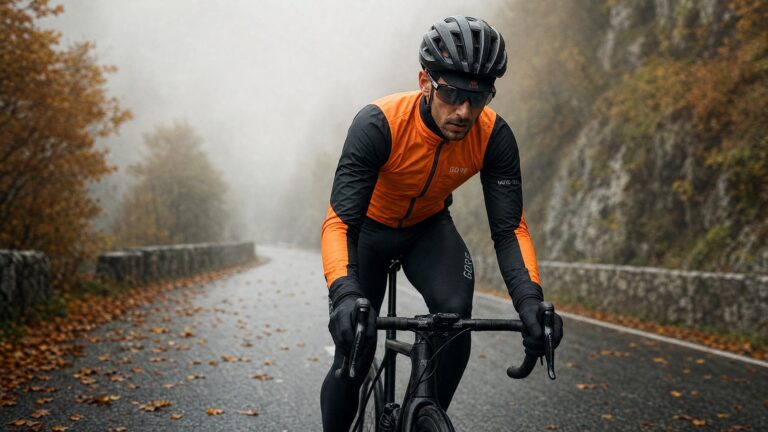
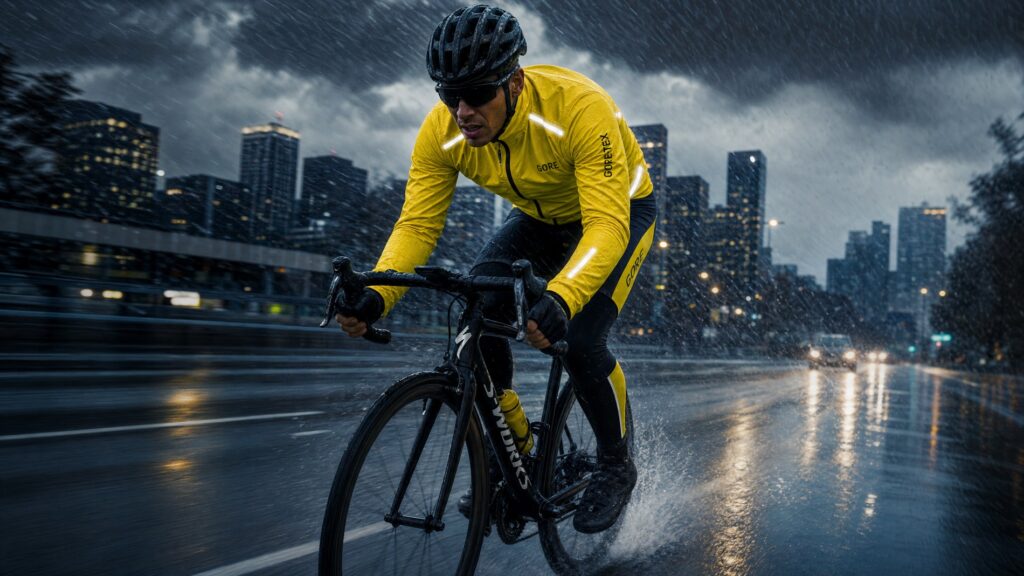
Wet weather riding demands specialized gear to keep you dry without causing you to overheat. The holy grail of rain gear is a fabric that is completely waterproof yet highly breathable. Recent advancements in membrane technology, such as those utilized by leading apparel brands, have resulted in jackets that shed heavy rain while allowing sweat vapor to escape efficiently.
When selecting rain gear, look for fully taped seams and waterproof zippers, as these are the common failure points where water can seep in. Furthermore, visibility is drastically reduced during rainstorms. Therefore, choosing rain jackets in high-visibility colors with extensive reflective detailing is crucial for safety. Pairing your wet-weather apparel with proper bike lights and visibility technology ensures you remain seen by motorists in gloomy conditions.
Beyond clothing, preparing your bike for the rain is essential. Installing fenders (mudguards) will keep freezing road spray off your back and feet, significantly improving your comfort. Additionally, utilizing a heavier wet-weather chain lube will protect your drivetrain from the grit and grime washed up from the road, a key aspect of bike cleaning and maintenance.
Beating the Heat: Summer Cycling and Hydration
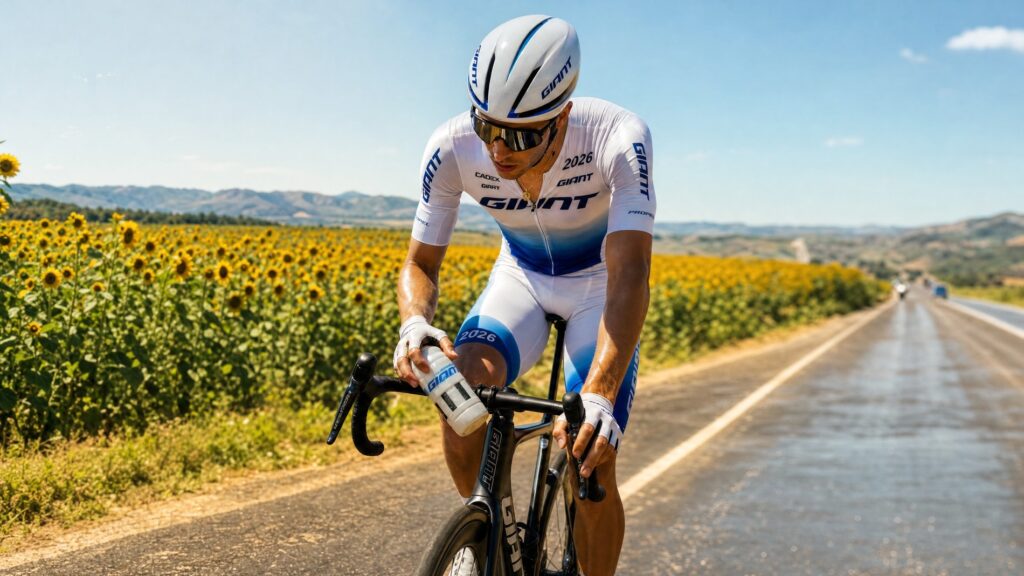
While winter requires insulation, summer cycling demands maximum ventilation and heat dissipation. Riding in extreme heat can lead to dehydration, heat exhaustion, and a severe drop in performance. The latest summer cycling kits utilize ultra-lightweight, laser-cut fabrics that maximize airflow and actively pull sweat away from the skin to facilitate evaporative cooling.
Hydration is the most critical factor when riding in the heat. You must drink before you feel thirsty. A solid cycling nutrition and hydration strategy involves consuming electrolyte-rich fluids to replace the sodium and potassium lost through sweat. For long rides in sweltering conditions, consider carrying a third water bottle in your jersey pocket or planning your route around reliable water refill stops.
Timing your rides can also make a massive difference. Whenever possible, schedule your training sessions for the early morning or late evening to avoid the intense midday sun. If you must ride during peak heat hours, seek out shaded routes and be prepared to dial back your intensity.
Seasonal Training Adjustments
Adapting your training plan to the seasons is vital for long-term progress and avoiding burnout. Winter is traditionally the time for building a strong aerobic base through long, low-intensity rides. However, when the weather is truly atrocious, indoor training platforms offer a highly effective alternative. Utilizing cadence drills and structured intervals indoors can yield significant fitness gains without the misery of freezing rain.
Conversely, summer is the season for high-intensity efforts, racing, and peak performance. The warmer temperatures allow your muscles to function optimally, making it the perfect time to tackle challenging climbs and push your limits.
Conclusion
Cycling weather and seasonal riding conditions no longer need to dictate whether you ride or stay on the couch. By investing in the right technical apparel and adapting your strategies to the environment, you can enjoy cycling 365 days a year. Whether you are battling a winter blizzard or a summer heatwave, preparation and smart decision-making will keep you pedaling strongly through every season.