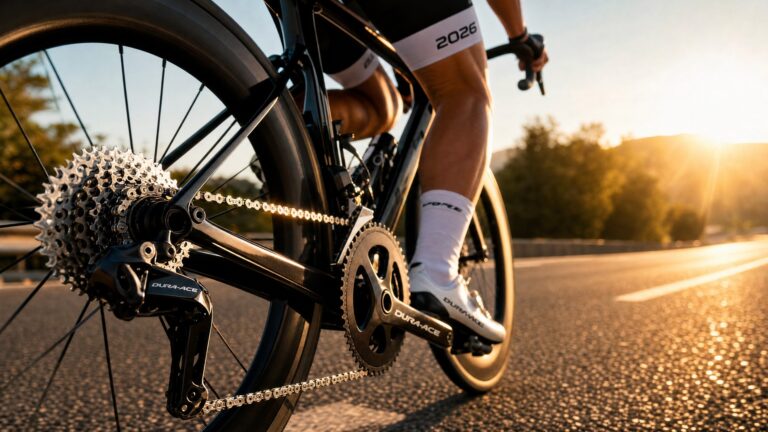
The Evolution of Bike Chain Technology in 2026
The bicycle chain is arguably the most critical component of your drivetrain, yet it is often the most overlooked. In 2026, bike chain technology has advanced significantly, moving far beyond simple metal links. Manufacturers are now utilizing aerospace-grade materials and advanced surface treatments to maximize power transfer. Furthermore, the focus has shifted toward reducing friction to absolute minimums, ensuring that every watt of energy you produce propels you forward. This evolution is transforming how we experience cycling, whether on the road, trail, or daily commute.
Understanding these advancements is essential for any cyclist looking to optimize their ride. Consequently, upgrading your chain is no longer just about replacing a worn part; it is a strategic decision to enhance overall pedal technology and drivetrain efficiency. Therefore, let us explore the cutting-edge innovations defining the best bicycle chains this year.
Advanced Materials and Diamond-Like Coatings (DLC)
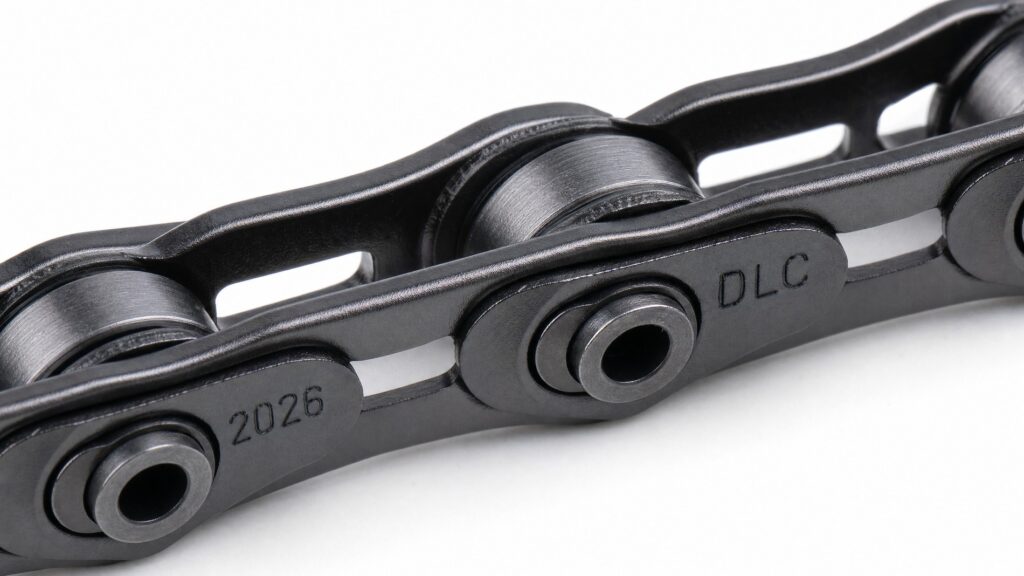
One of the most significant breakthroughs in recent years is the widespread adoption of Diamond-Like Carbon (DLC) coatings. Originally developed for high-performance motorsports, DLC provides an incredibly hard, low-friction surface. This coating drastically reduces the wear between the chain’s inner and outer plates. As a result, premium chains like the KMC X11SL DLC offer unprecedented longevity and smooth operation.
In addition to surface coatings, the structural design of the links has been refined. Hollow pins and slotted plates are now standard on high-end models, shedding crucial grams without compromising tensile strength. Moreover, these weight reductions contribute to a more responsive drivetrain, particularly noticeable during steep climbs or sudden accelerations. When paired with advanced cycling power meters, the efficiency gains from these materials become clearly measurable.
Noise Reduction and Shifting Precision
A quiet drivetrain is an efficient drivetrain. Modern chains feature highly engineered plate profiles designed to interact seamlessly with modern cassettes and chainrings. For instance, Shimano’s Z-Bridge inner plate design facilitates incredibly smooth transitions between gears. Consequently, shifting under heavy load is no longer a jarring experience but a fluid, near-silent operation.
This precision is especially crucial with the rise of electronic shifting systems. Electronic derailleurs move with absolute exactness, demanding a chain that can handle rapid, forceful lateral movements. Therefore, manufacturers have optimized the chamfering on the chain links to ensure they catch the shift ramps perfectly every time. This synergy between electronic shifting and advanced chain design represents the pinnacle of modern drivetrain efficiency.
Choosing the Right Chain for Your Discipline
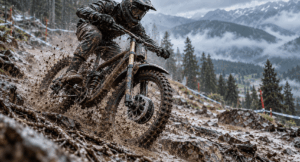
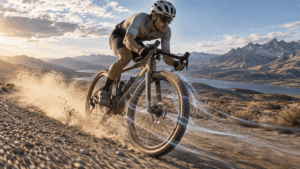
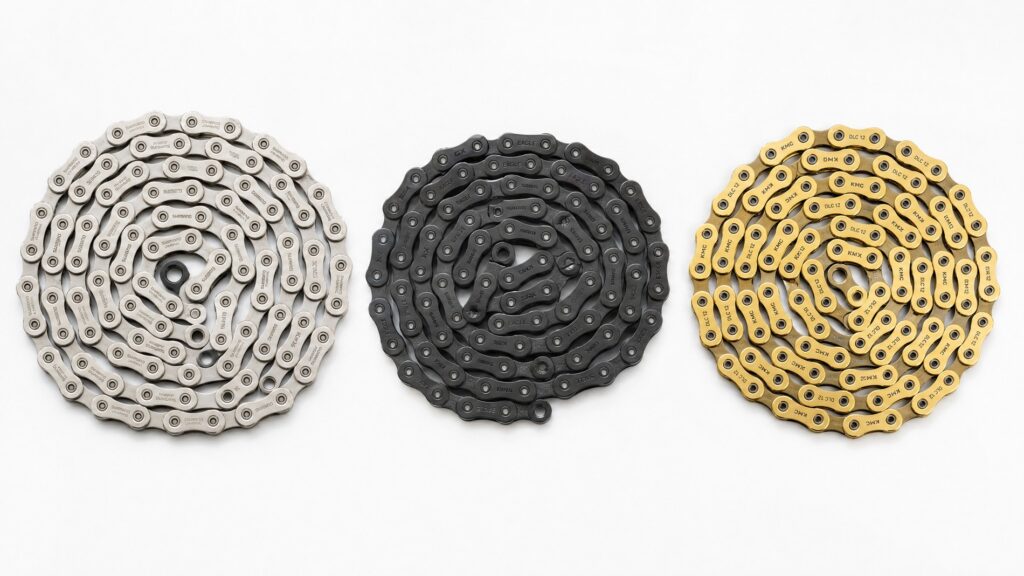
Not all chains are created equal, and selecting the right one depends heavily on your riding style. Road cyclists typically prioritize weight reduction and absolute shifting speed, making hollow-pin designs like the Shimano Dura-Ace highly desirable. Conversely, mountain bikers require extreme durability to withstand mud, grit, and high-torque impacts. For these riders, chains with solid pins and robust outer plates, such as the SRAM GX Eagle, are the superior choice.
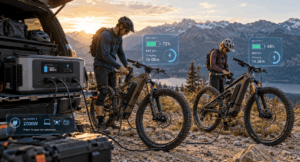
E-bikes present a unique challenge due to the massive torque generated by mid-drive motors. Standard chains can stretch and wear out rapidly under these forces. Thus, e-bike specific chains are engineered with reinforced pins and thicker plates to handle the sustained power delivery. Understanding these distinctions is just as important as mastering essential bike maintenance to keep your machine running smoothly.
Maintenance: The Key to Drivetrain Longevity
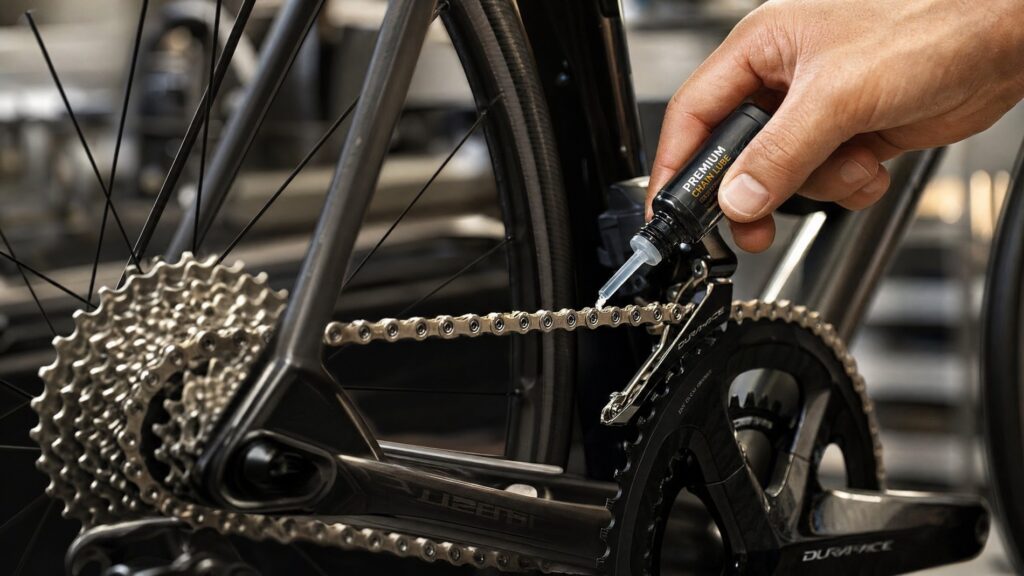
Even the most advanced chain will perform poorly if neglected. Proper maintenance remains the single most effective way to preserve drivetrain efficiency. Regular cleaning removes abrasive grit that acts like sandpaper on your gears. Furthermore, applying a high-quality lubricant reduces metal-on-metal friction, ensuring the chain articulates smoothly.
In 2026, wax-based lubricants have become the gold standard for performance-oriented cyclists. Unlike traditional wet lubes, wax dries to a solid state, repelling dirt and keeping the drivetrain immaculately clean. While the initial application process is more involved, the long-term benefits in reduced wear and friction reduction are undeniable. Ultimately, a well-maintained chain not only saves you watts but also extends the life of your expensive cassette and chainrings.
Conclusion: The Future of Power Transfer
The advancements in bike chain technology for 2026 highlight a relentless pursuit of perfection in cycling mechanics. From DLC coatings to e-bike specific reinforcements, every innovation is aimed at maximizing your effort. By selecting the appropriate chain for your discipline and committing to a rigorous maintenance routine, you can unlock the full potential of your drivetrain.
As we look ahead, the integration of smart sensors directly into drivetrain components may soon provide real-time wear data to our cycling apps and training software. Until then, investing in a premium chain remains one of the most cost-effective upgrades you can make. Ride smooth, ride fast, and never underestimate the power of a perfect chain.