The world of cycling training is undergoing a major transformation in 2026. Artificial intelligence is now shaping how cyclists build endurance, improve power output, and recover more efficiently. Instead of static spreadsheets or generic coaching plans, riders now rely on adaptive systems that respond to real-time performance data.
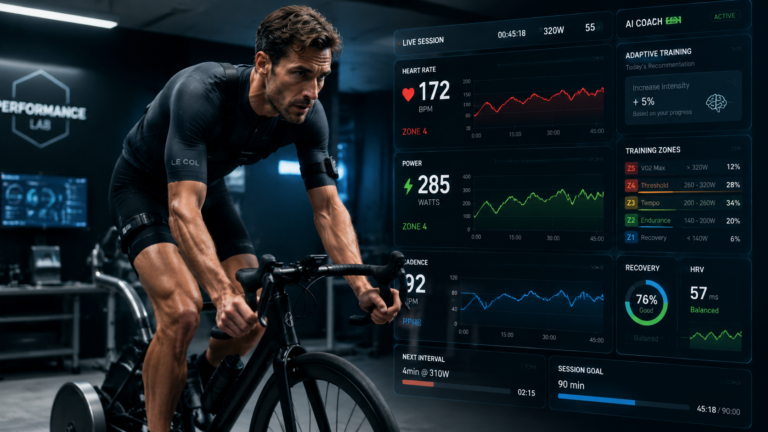
Modern platforms analyze heart rate variability, power meter output, sleep quality, and even stress levels to create fully personalized training schedules. This shift is making structured training more accessible to beginners while giving elite riders deeper performance insights.
How AI Training Systems Work
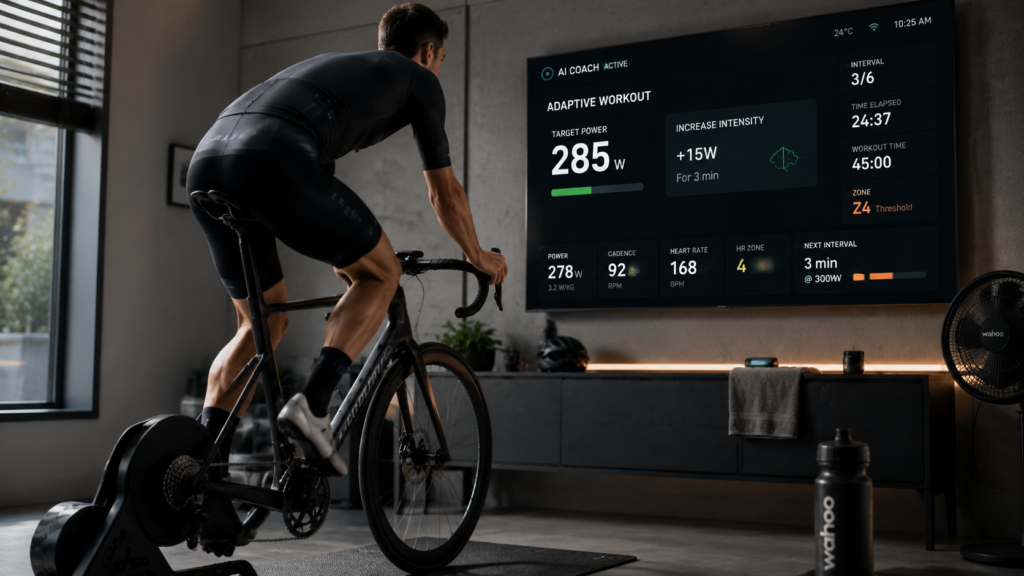
AI coaching platforms continuously collect data from sensors and wearable devices. These systems adjust your weekly load automatically based on fatigue and performance trends. If your recovery drops, intensity is reduced. If your fitness spikes, training zones are recalibrated instantly.
Unlike traditional coaching, AI does not rely on fixed plans. Instead, it evolves daily based on your body’s response.
Key Benefits for Cyclists
- Adaptive training based on real-time biometrics
- Reduced risk of overtraining and burnout
- Improved FTP progression and endurance gains
- Personalized recovery recommendations
AI vs Traditional Coaching
While human coaches still play an important role, AI tools provide constant monitoring that no human can match. Many athletes now use hybrid systems combining both coaching intelligence and algorithmic analysis.
According to cycling performance research from TrainingPeaks, structured adaptive training improves consistency and long-term progress compared to static plans.
Best Use Cases
AI training is especially useful for time-crunched cyclists, competitive racers, and endurance riders preparing for events like gravel races or gran fondos.
You can also explore related training concepts in our guide on cycling endurance fundamentals.
Future of AI in Cycling
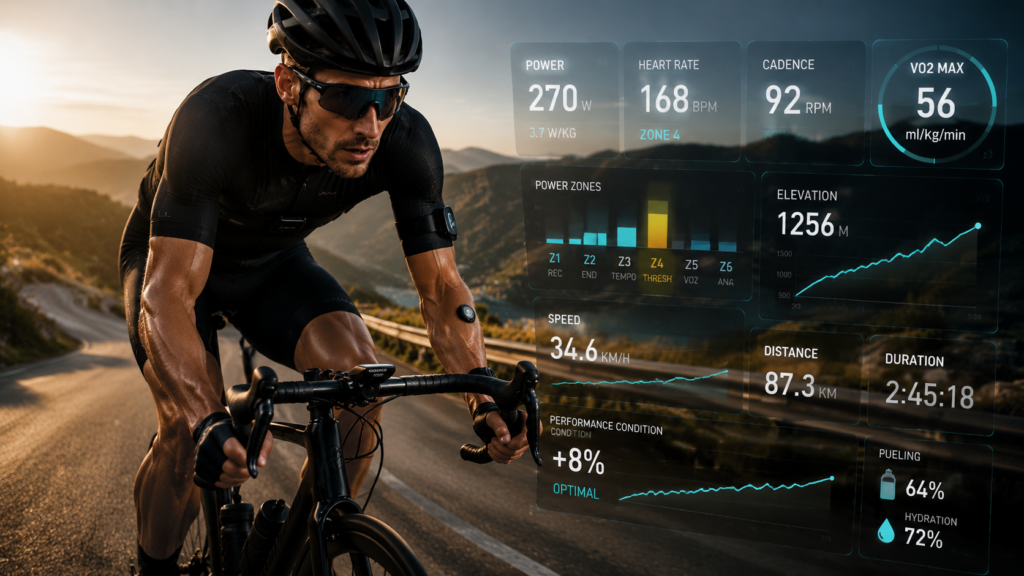
In the near future, AI systems may integrate with glucose monitors, hydration sensors, and predictive fatigue models. This will allow training plans to become fully autonomous and self-adjusting in real time.
As cycling continues to evolve, data-driven performance optimization is becoming the new standard.