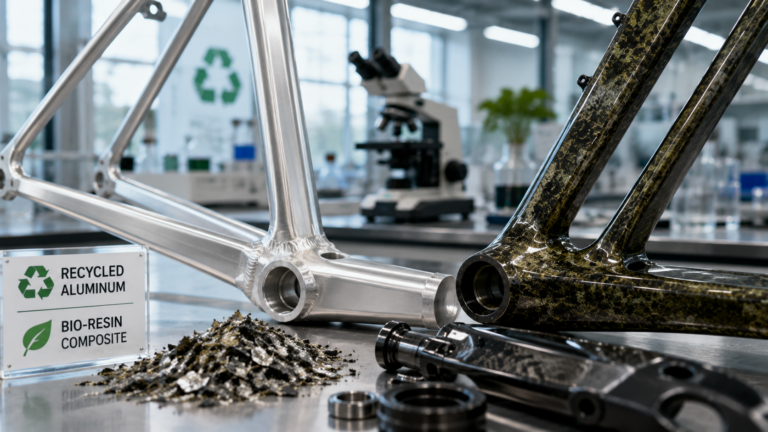
As cycling technology advances in 2026, sustainability has become a top priority. Manufacturers are integrating eco-friendly materials, energy-efficient production processes, and circular design principles to reduce environmental impact while maintaining high performance. Modern bicycles are not only lighter and faster, but also greener and easier to recycle at the end of their lifecycle.
Innovative Eco-Friendly Materials
The backbone of sustainable cycling lies in advanced materials. Manufacturers are now using:
- Recycled aluminum alloys: High-strength alloys sourced from end-of-life components reduce mining demand.
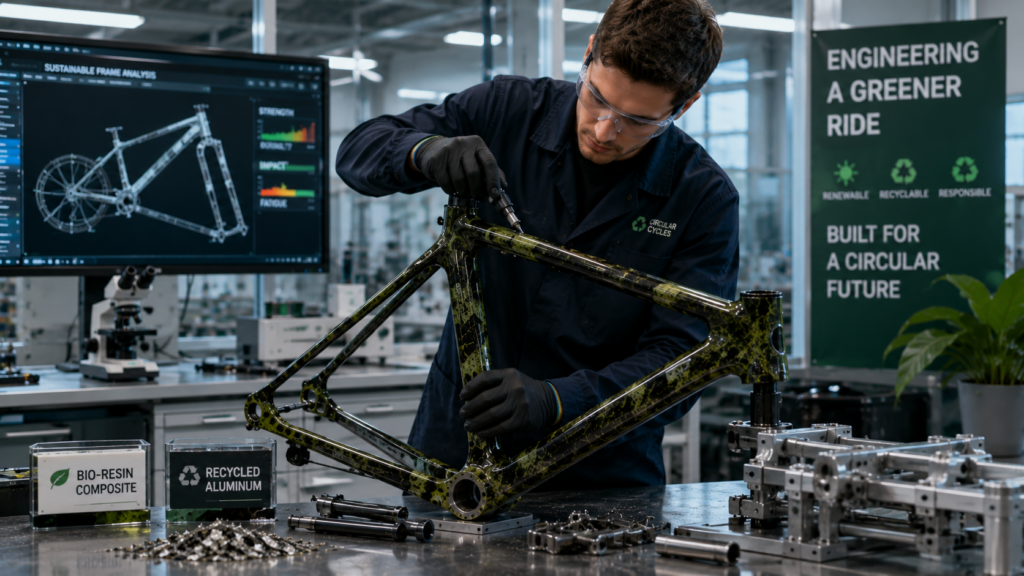
- Bio-resin composites: Carbon fiber reinforced with bio-resins offers stiffness and lightweight performance while cutting carbon footprint.
- Recycled plastics and polymers: Used in saddles, handlebar grips, and accessory mounts, reducing virgin plastic usage.
These innovations align with industry standards outlined by the International Bicycle Product Standards and eco-certifications like Global Recycling Standard. Read more about how materials affect ride performance in our Gravel Bike Technology 2026 article.
Energy-Efficient Manufacturing Processes
Production techniques have been reimagined to minimize environmental impact. Key trends include:
- Low-energy curing: New curing processes for carbon frames consume less electricity and reduce emissions.
- Precision CNC machining: Reduces material waste and ensures repeatable quality for metal and composite parts.
- 3D printing: Titanium and polymer components can be produced on-demand, reducing inventory and transport emissions.
Advanced factories are integrating IoT sensors and AI-driven optimization to monitor energy consumption and machine efficiency.
Circular Economy and End-of-Life Design
Modern bicycle design emphasizes circularity. End-of-life considerations are increasingly embedded into frame and component design:
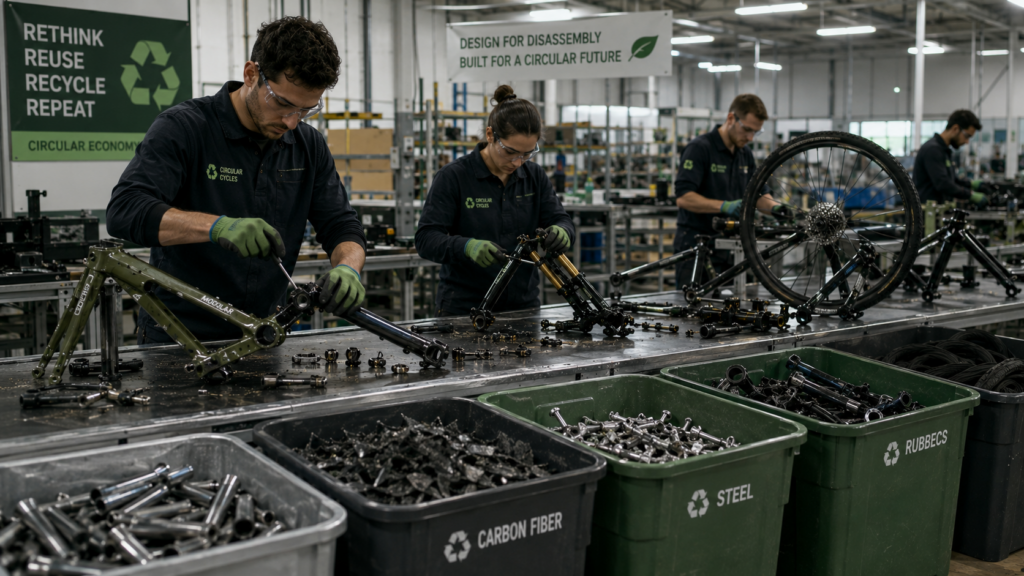
- Frames and forks are designed for disassembly, allowing metal, carbon, and composites to be recycled efficiently.
- Modular components enable riders to upgrade parts without discarding the entire bike.
- Battery packs in e-bikes are removable and designed for recycling or reuse in second-life energy storage.
Recycling facilities now specialize in separating composites, metals, and plastics from old bicycles. Companies like TerraCycle and Recycle Cycling are leading programs to divert waste from landfills. For more insights into component recycling, see Airless & Adaptive Tire Technology 2026.
Real-World Benefits for Cyclists
These sustainable technologies are not just good for the planet; they enhance the rider experience. Lightweight bio-resin frames improve power-to-weight ratios, recycled alloys maintain strength without excess weight, and modular components simplify upgrades and maintenance. Cyclists benefit from:
- Reduced environmental impact without compromising performance.
- Longer-lasting components and easier maintenance.
- Access to premium, eco-friendly gear compatible with smart tech.
Further Reading and Resources
- Bike Europe – Sustainability in Cycling
- Global Cycling Network – Eco Innovations
- VeloNews – Green Tech in Bikes
Conclusion
Sustainable cycling tech in 2026 combines material innovation, energy-efficient manufacturing, and circular design to produce high-performance, eco-conscious bikes. As the industry evolves, cyclists can enjoy top-tier performance while supporting a greener future. By choosing bikes designed with recyclability and modularity in mind, riders actively participate in the circular economy.