The cycling industry in 2026 is undergoing a remarkable transformation toward sustainability. Manufacturers are not only focused on performance but also on eco-conscious design, end-of-life recycling, and circular materials. This shift is driving the development of bikes that are both high-performing and environmentally responsible.
1. Eco-Friendly Materials in Modern Bike Production
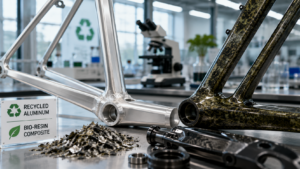
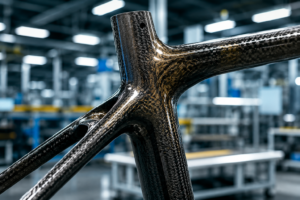
Today’s bikes increasingly utilize sustainable materials such as recycled aluminum, bio-resin composites, and responsibly sourced carbon fibers. Recycled aluminum alloys retain their strength while minimizing environmental impact, reducing CO2 emissions in production. Bio-resin composites combine renewable plant-based resins with carbon reinforcement to achieve lightweight, durable frames that are easier to recycle at the end of their lifecycle.
2. Circular Design: Bikes Built for Longevity and Reuse
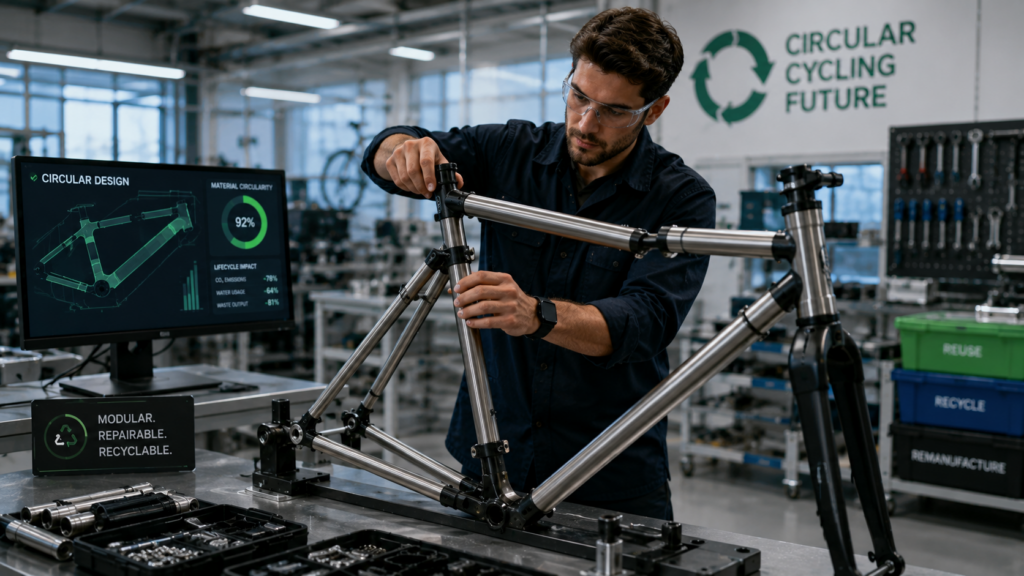
Circular design principles are now central to bicycle engineering. Manufacturers design modular frames and components that can be repaired, upgraded, or repurposed rather than discarded. For example, replaceable dropouts, modular drivetrain components, and standardized parts ensure that even after a decade of use, a bike’s frame or drivetrain can be refurbished or recycled rather than ending up in a landfill.
3. End-of-Life Recycling Technologies
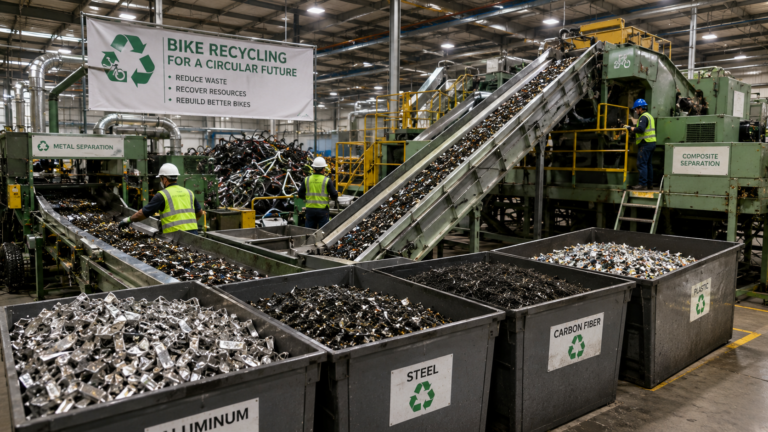
Advanced recycling facilities now allow entire bicycles to be disassembled and processed efficiently. Metals, composites, and plastics are sorted and reclaimed. Innovative techniques, such as chemical recycling for carbon fiber composites and thermal depolymerization for polymers, enable material recovery without significant quality loss. Industry reports suggest that over 70% of bike materials could be recycled in 2026, compared to less than 40% a decade ago.
4. Integration of Smart Materials & Sustainability
Smart materials are entering the sustainable cycling ecosystem. Biodegradable polymers and smart composites allow engineers to produce components that adjust their properties during use and degrade safely at the end of life. Additionally, sensor integration can monitor component wear, alerting riders to maintenance needs and extending the usable life of each part.

5. Industry Collaboration for a Greener Future
Brands, suppliers, and research institutions are collaborating to standardize eco-friendly materials, recycling processes, and circular design protocols. Initiatives like Bike Europe Sustainability Network promote transparency and supply chain accountability, ensuring that sustainability goals extend from material sourcing to end-of-life processing. This collaborative approach not only reduces environmental impact but also drives innovation in cycling technology.
Conclusion
By 2026, sustainable cycling technology has progressed beyond niche experimentation. Eco-friendly materials, circular design principles, and end-of-life recycling processes are now integral to the industry. Cyclists, manufacturers, and researchers are collectively redefining the lifecycle of bikes, ensuring that future generations can enjoy cycling with minimal environmental impact.
For more insights into eco-conscious cycling innovations, check our related blogs on sustainable bike technology and material advancements.