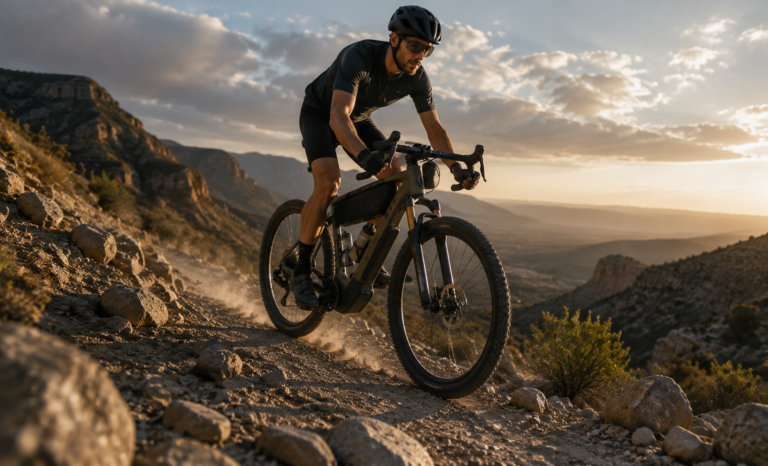
As gravel and electric bikes continue to dominate endurance and adventure cycling, adaptive suspension systems are redefining ride comfort, handling, and efficiency. In 2026, smart suspension technologies automatically adjust damping and travel based on terrain, rider input, and speed, delivering a smoother, more controlled ride whether on rocky paths, forest trails, or open gravel roads.
How Adaptive Suspension Works
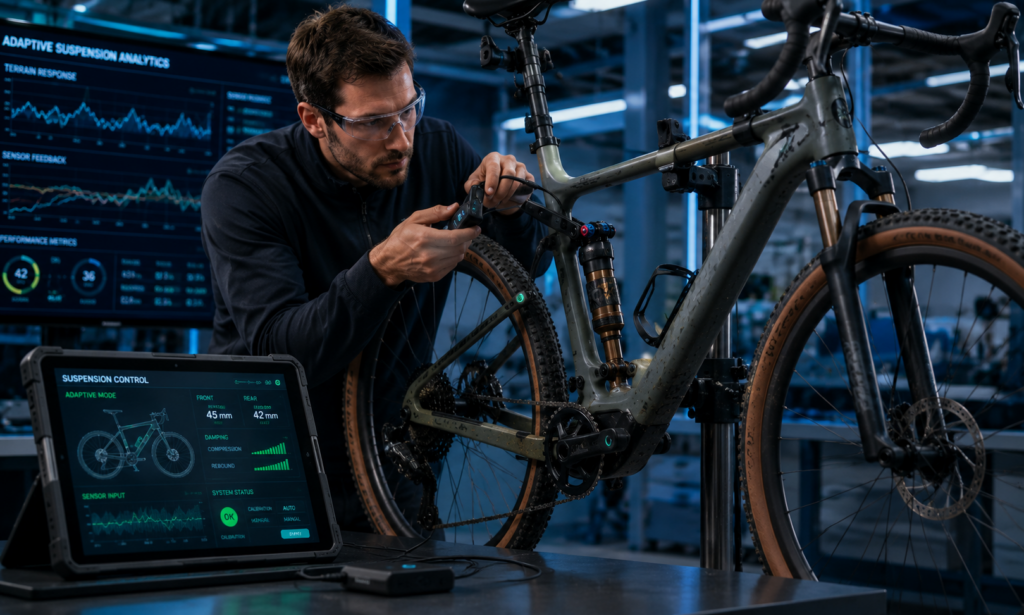
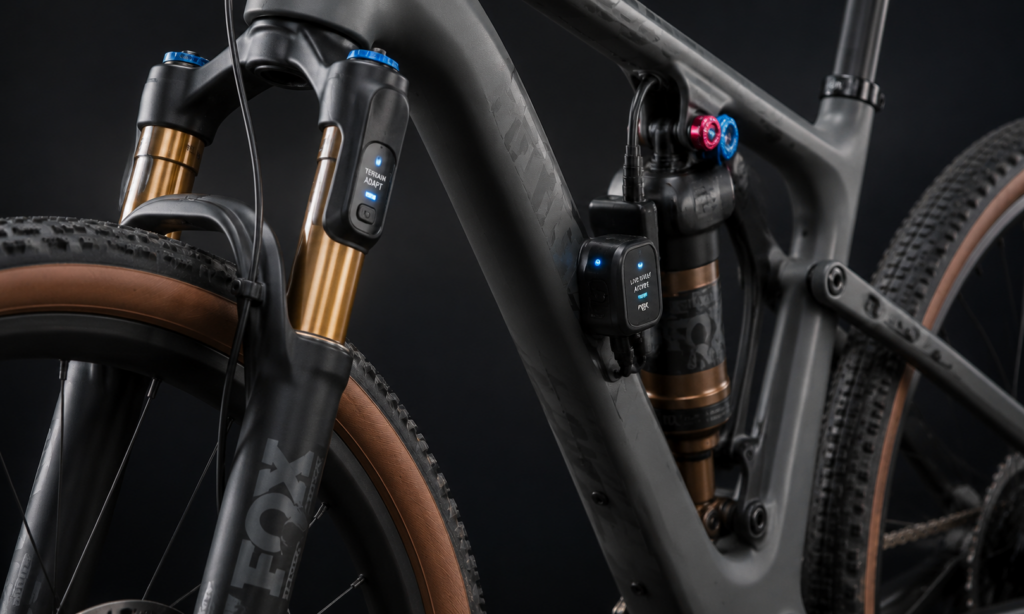
Modern adaptive suspension uses sensors embedded in the bike’s fork and rear shock to monitor terrain changes in real time. These sensors communicate with an onboard microprocessor or e-bike controller, adjusting compression and rebound characteristics dynamically. For example, a rocky descent triggers stiffer damping to maintain stability, while smooth terrain prompts softer settings for comfort and energy efficiency. Learn more about the latest gravel bike tech.
The integration of AI and machine learning algorithms allows these systems to learn a rider’s habits and preferences, making predictive adjustments that enhance performance. Power meter data and speed readings can also influence suspension response, ensuring that energy is efficiently transmitted to the wheels without sacrificing control.
Benefits for Gravel & E‑Bike Riders
- Improved Control: Adaptive suspension reduces wobble and instability on uneven surfaces.
- Enhanced Comfort: Less vibration and shock transfer minimizes rider fatigue over long distances.
- Energy Efficiency: By optimizing suspension travel, riders expend less energy on rough terrain.
- Safety: Real-time adjustments improve traction and handling on challenging descents.
Many e-gravel bikes now integrate adaptive suspension with the electric motor control system. By combining motor torque management with dynamic damping, riders experience an intuitive and responsive ride that can tackle steep climbs and rugged trails seamlessly. Explore the latest e-gravel bike innovations.
Top Systems in 2026
Leading suspension manufacturers have introduced next-generation adaptive systems for gravel and e-bikes:
- Fox Live Valve: Electronic damping with millisecond response, now optimized for gravel geometry.
- RockShox Flight Attendant: AI-powered suspension that learns rider behavior over time.
- Specialized Brain Active Suspension: Automatically stiffens on hard terrain and relaxes on smooth surfaces.
- SR Suntour i-Drive: Integrated adaptive suspension for lightweight e-gravel frames.
These systems are increasingly compatible with smartphone apps, allowing riders to customize profiles, monitor maintenance intervals, and visualize real-time data on suspension performance.
Considerations When Choosing Adaptive Suspension
Before upgrading or purchasing a gravel or e-bike with adaptive suspension, riders should consider:
- Weight: Electronic systems add minimal weight but may affect total bike mass.
- Battery Integration: E-bikes need sufficient power to operate suspension without compromising ride range.
- Maintenance: Adaptive systems require periodic calibration and firmware updates.
- Terrain Match: Choose a system optimized for the types of terrain most frequently ridden.
Testing a bike with adaptive suspension in realistic trail conditions is critical. Many demo centers offer gravel-specific test courses to experience the responsiveness firsthand.
The Future of Adaptive Suspension
Looking ahead, adaptive suspension will increasingly integrate with other cycling technologies:
- Smart wearables for rider biometrics, allowing the suspension to adjust based on heart rate, fatigue, or power output.
- Connected cloud platforms for data logging and AI-driven ride optimization.
- Lightweight modular components that allow on-the-fly adjustments for racing or adventure touring.
These advances point to a future where every gravel or e-bike ride can be optimized for comfort, efficiency, and safety, leveraging real-time data in ways previously impossible.
Modern adaptive suspension systems from companies like FOX Live Valve and RockShox Flight Attendant use sensors and electronic controls to adjust damping automatically based on terrain and rider input.
For e-bike applications, connected platforms such as Bosch eBike Systems demonstrate how smart components are becoming integrated into modern electric cycling ecosystems.
Independent testing from sources like BikeRadar provides additional insight into suspension performance across different riding conditions.
Conclusion
Adaptive suspension systems for gravel and e-bikes represent one of the most transformative developments in cycling for 2026. Riders benefit from improved handling, comfort, energy efficiency, and safety, all enabled by sensors, AI, and predictive control technologies. For adventure cyclists, these systems redefine what’s possible on mixed terrain and long-distance rides.
For more insights into gravel bike technology, check our other posts on gravel bike components and e-gravel performance.