In 2026, wearable technology is revolutionizing cycling performance and safety. Advanced biofeedback systems now integrate heart rate, power output, fatigue monitoring, and predictive analytics directly into riders’ equipment. These innovations are not only improving training efficiency but also enhancing safety during long rides, endurance events, and urban commuting.
Real-Time Biometric Tracking
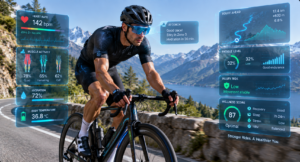
Wearable sensors, including chest straps, wristbands, and smart clothing, provide continuous monitoring of vital metrics such as:
- Heart rate and heart rate variability (HRV)
- Cadence and pedaling efficiency
- Muscle activation and fatigue levels
- Body temperature and hydration status
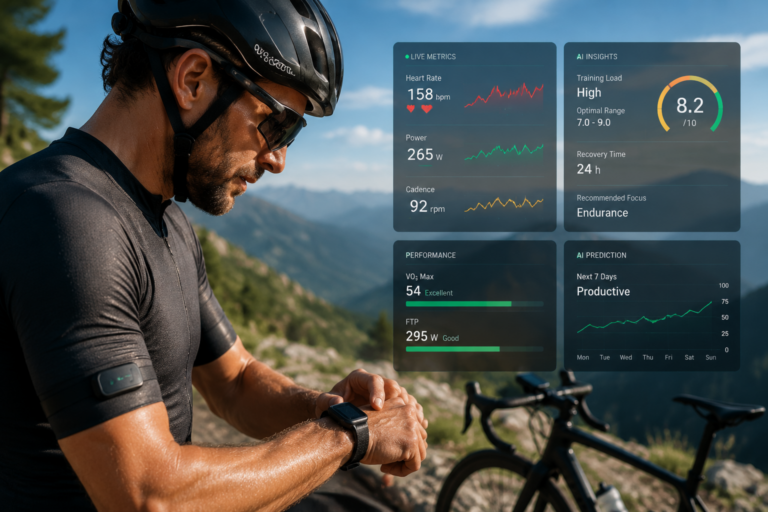
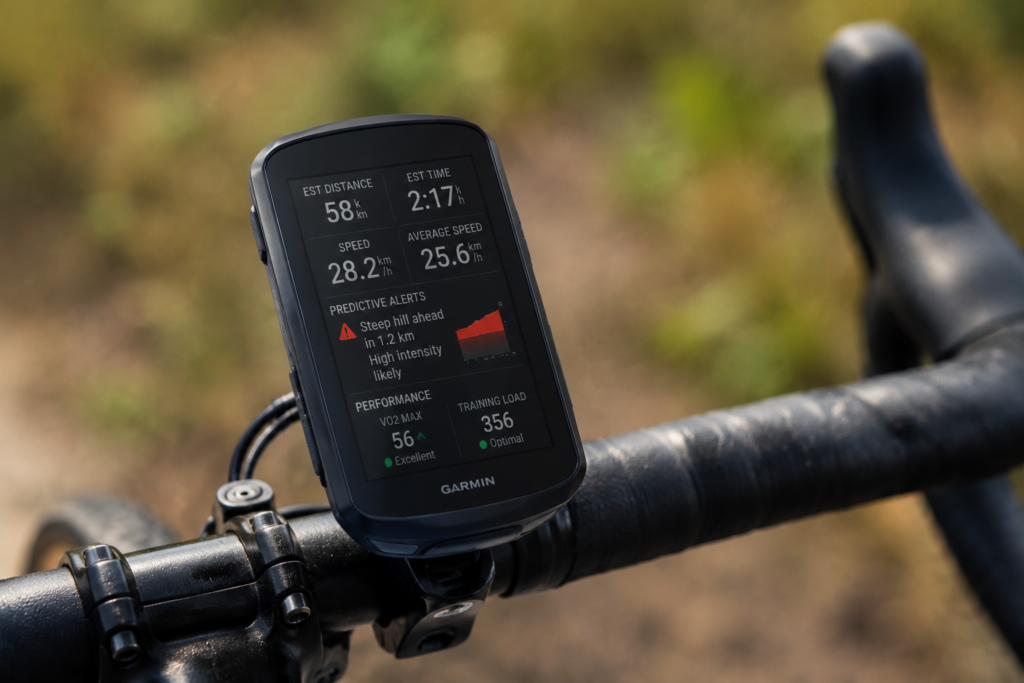
Connected to AI-powered dashboards on bikes or smartphones, this data enables real-time adjustments in training intensity. For example, a sudden spike in heart rate or fatigue can trigger a recommendation to reduce resistance or take a recovery break, preventing overexertion and injury. Learn more about AI cycling training.
Enhanced Safety Features
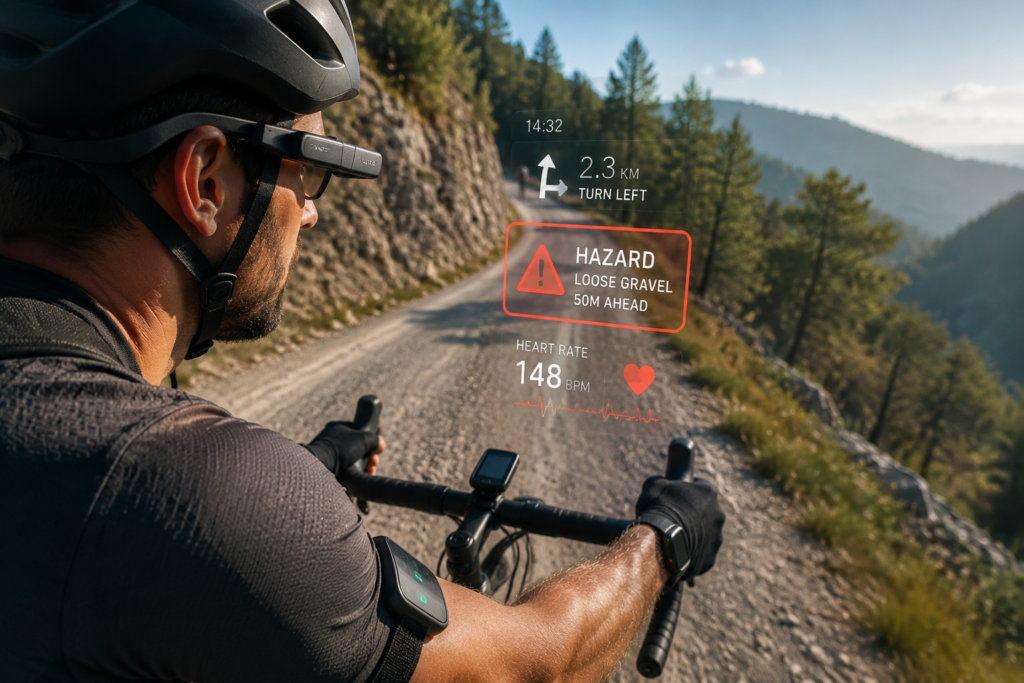
Modern wearables now include predictive safety systems. AI analyzes biometrics along with environmental data to detect potential crashes, sudden fatigue, or dehydration. Some helmets are integrated with sensors that detect abnormal motion or impact, automatically sending alerts to emergency contacts with GPS coordinates. Leading wearable manufacturers like Garmin and Wahoo are integrating these features into cycling ecosystems.
Training Optimization with AI Dashboards
AI dashboards interpret real-time biometrics and cycling performance metrics to generate adaptive training recommendations. Cyclists receive guidance on:
- Optimal cadence and power output for current terrain
- Real-time heart rate zone adjustments
- Recovery and rest period scheduling
- Hydration and energy intake suggestions
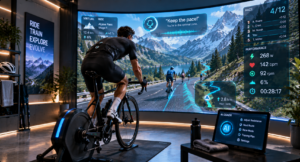
Integration with indoor smart trainers allows athletes to replicate outdoor conditions and receive precise AI coaching, improving endurance and reducing training risks. Explore AI cycling for more insights.
Wearables for Endurance and Commuting
From competitive racers to daily commuters, wearable biofeedback technology enhances all riding experiences. Key benefits include:
- Monitoring fatigue levels on long endurance rides
- Tracking hydration and electrolyte balance in hot climates
- Providing route and traffic insights based on rider condition
- Synchronizing with connected cycling platforms for performance history
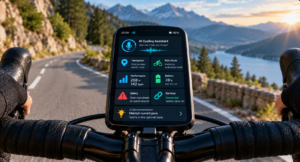
Urban cyclists benefit from smart alerts integrated with bike computers, smart helmets, and AR displays, ensuring safer navigation through dense traffic. Connected cycling analytics show how this data improves urban riding safety.
Integration with Connected Ecosystems
Wearables now seamlessly sync with smart bike components, e-bike motor systems, and GPS navigation. This integration allows for predictive assistance based on fatigue and real-time power demand, optimizing efficiency and battery usage for e-bikes. Cloud-based platforms log historical data, offering insights into long-term performance and identifying patterns for improved training plans.
The Future of Biofeedback Cycling Tech
Looking ahead, wearable technology will evolve with:
- Embedded smart fabrics capable of monitoring multiple biometrics simultaneously
- Improved AI models for predictive fatigue and crash prevention
- AR and heads-up displays integrated into helmets or glasses for real-time guidance
- Seamless integration with adaptive suspension and connected e-bike systems
These technologies promise safer, more efficient, and data-driven cycling experiences for athletes and casual riders alike.
Conclusion
Wearable cycling biofeedback technology in 2026 is transforming the way riders train and navigate their rides. By combining real-time biometric monitoring, AI-powered dashboards, and connected safety alerts, cyclists achieve peak performance while maintaining safety and efficiency. From endurance athletes to urban commuters, these innovations represent the next frontier in smart cycling.