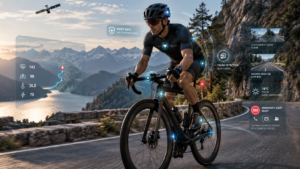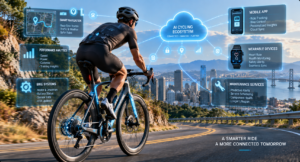
Cycling performance in 2026 is no longer just about power output and cadence. Connected hydration and nutrition systems are revolutionizing how riders fuel and hydrate during endurance rides. These smart devices integrate biofeedback, AI analytics, and real-time monitoring to optimize performance, improve recovery, and reduce fatigue.
Why Smart Hydration and Nutrition Matter
Long-distance cyclists often struggle to maintain optimal hydration and nutrition levels, which can significantly impact endurance, cognitive focus, and overall safety. Traditional methods rely on pre-planned fueling schedules, but real-time physiology can vary.
Connected systems now allow cyclists to monitor biomarkers such as sweat rate, electrolyte loss, heart rate variability, and power output to tailor hydration and nutrition in real-time. This reduces the risk of dehydration, electrolyte imbalance, and bonking.
Smart Hydration Bottles & Electrolyte Monitoring
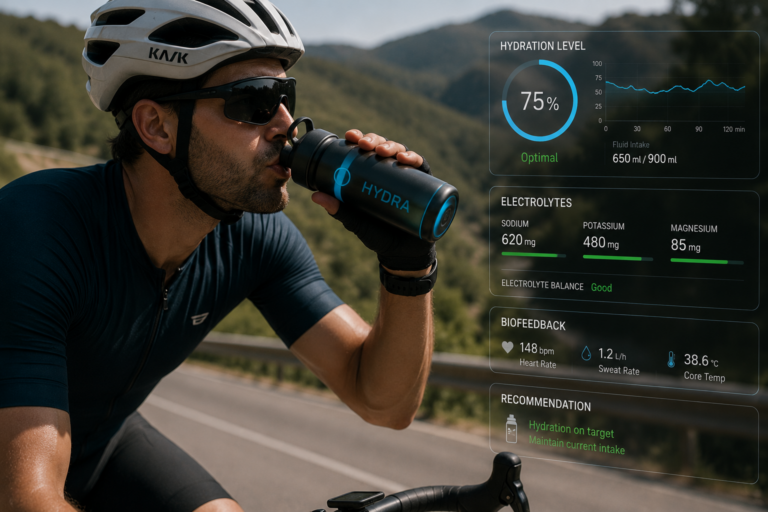
Smart hydration bottles use embedded sensors to track fluid intake, temperature, and electrolyte composition. Some devices provide AI-generated recommendations on:
- Optimal fluid replacement rate
- Electrolyte balancing based on sweat loss
- Integration with connected cycling computers
For example, products similar to Garmin smart bottles or SRAM connected nutrition systems can send real-time alerts to a handlebar display or helmet HUD when fluid intake is needed.
Wearable Biofeedback & AI Integration
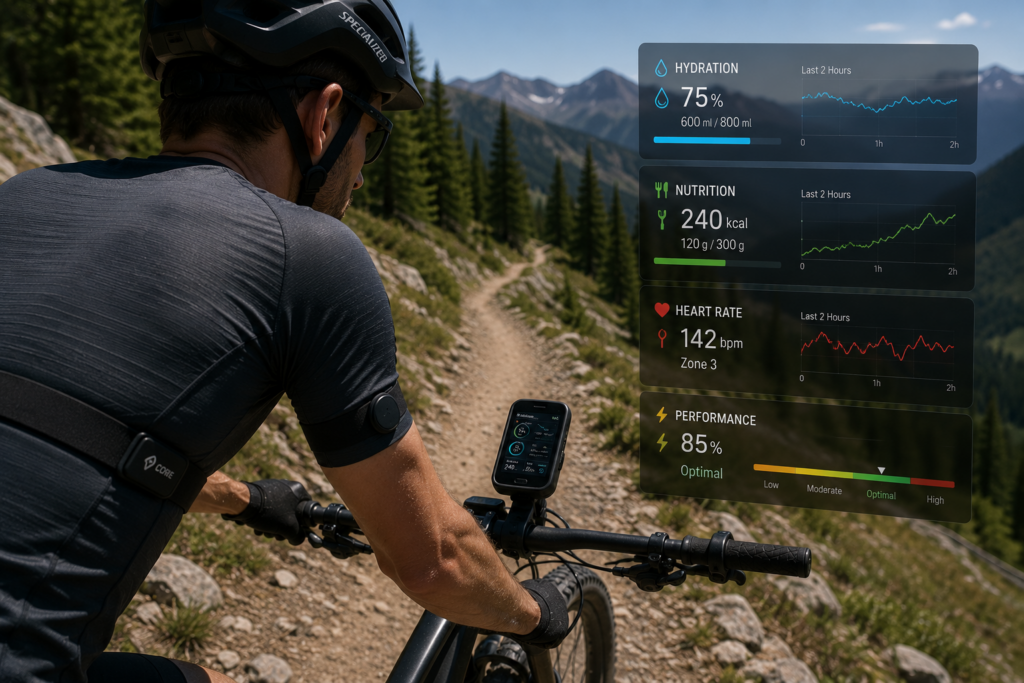
Wearable sensors track biometrics like heart rate, power, and even skin conductivity to assess hydration needs. AI algorithms analyze these data streams to predict:
- Optimal energy intake
- Electrolyte supplementation timing
- Recovery needs after high-intensity segments
Cyclists can integrate these sensors with apps or devices that control smart bottles, handlebar displays, and even smart nutrition packs, creating a fully connected fueling ecosystem.
Nutrition Packs with Sensor Integration
Smart nutrition packs use embedded electronics to monitor carbohydrate availability, remaining supply, and optimal dosing for upcoming segments. This is especially useful in ultra-endurance events where mismanaged fueling can impair performance.
AI-driven packs can notify the rider to consume gels, bars, or electrolyte supplements at the precise moment to maintain blood sugar and electrolyte balance.
Lab Testing & Performance Validation
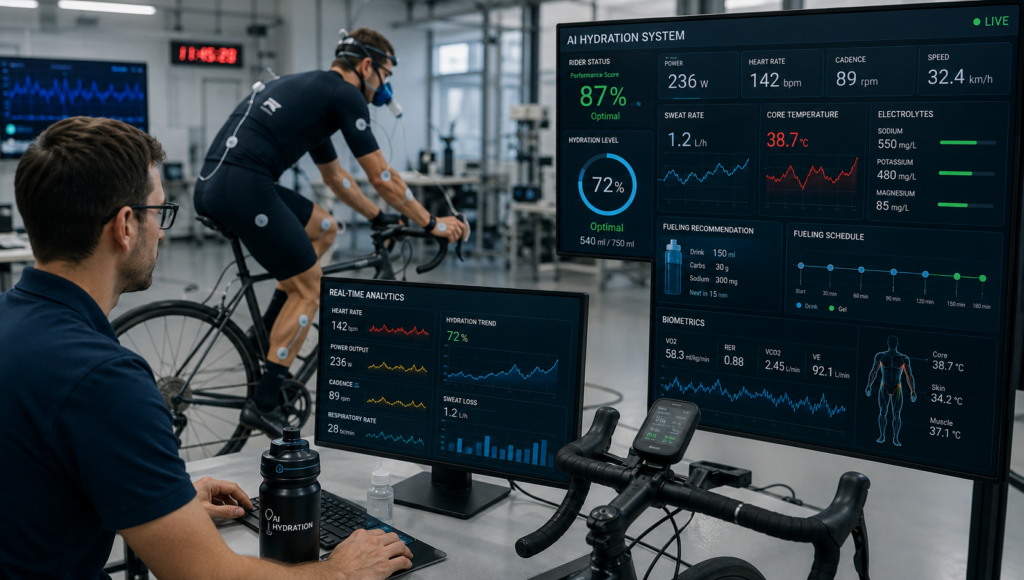
Manufacturers and performance labs are now simulating real-world endurance rides to test these systems. Engineers use controlled cycling rigs, sweat simulators, and AI dashboards to validate hydration recommendations and nutritional dosing strategies.
For reference, see lab studies from ResearchGate and endurance cycling reports on TrainingPeaks.
Benefits for Riders
- Maintain optimal performance across variable terrain
- Reduce the risk of fatigue and dehydration
- Improve post-ride recovery through precise fueling
- Personalized guidance based on biometrics and AI insights
- Seamless integration with connected cycling devices
Related Resources
- Wearable Cycling Biofeedback Tech 2026
- AI-Enhanced Indoor Cycling Training 2026
- Smart Cycling Helmets 2026: Safety & Analytics
- Adaptive Suspension Systems for Gravel & E-Bikes
- Connected E-Bike Dashboards
External Resources
Conclusion
Connected hydration and nutrition systems in 2026 are transforming how cyclists approach fueling. By combining wearable biofeedback, AI analytics, and smart bottles/nutrition packs, endurance rides become safer, more efficient, and highly personalized.
As technology continues to integrate into cycling, these connected systems will become a standard for long-distance and performance-focused riders, delivering smarter rides and improved overall cycling experience.